
What Causes Hair Breakage? The Real Reasons
Hair that snaps off around your crown, breaks while you detangle, or leaves short, uneven pieces around your ends is telling you something: the strand has lost more strength than your routine is replacing. If you are asking what causes hair breakage, the honest answer is rarely one bad hair day. It is usually a buildup of stress from heat, color, dryness, friction, and styling habits that ask too much from already vulnerable hair.
Breakage can make even freshly styled hair look dull, frizzy, and thinner through the lengths. The good news is that once you understand where the stress is coming from, you can make smarter changes without turning your entire routine upside down.
First, know the difference between breakage and shedding
Shedding happens at the root. You may see a full-length strand with a tiny white bulb at one end, which is part of the normal hair growth cycle. Breakage happens along the hair shaft. Those pieces are typically shorter, have uneven ends, and show up most around the areas that get the most wear: the hairline, crown, mid-lengths, and ends.
Some shedding is expected. But when your ponytail feels less substantial, your ends keep looking wispy right after a trim, or detangling creates a cloud of short pieces in the sink, breakage is likely part of the picture. Hair can also experience both at once, which is why paying attention to the strand itself matters.
What causes hair breakage most often?
Hair is strongest when its outer protective layer, called the cuticle, lies smooth and intact. Chemical services, high heat, rough handling, and dehydration can lift or wear down that layer. Once the cuticle is compromised, the inner structure has less protection. The strand loses flexibility, catches on neighboring hairs, and eventually splits or snaps.
Heat styling without enough protection
Flat irons, curling irons, hot tools, and aggressive blow-drying can create beautiful results, but frequent high heat is one of the fastest ways to make hair brittle. Fine, lightened, or already dry hair is especially susceptible. A temperature that works for thick, coarse hair may be far too intense for delicate strands.
Heat does not have to be off-limits. The trade-off is that it needs a strategy. Use a heat protectant every time, work with fully dry hair before using hot tools, and choose the lowest temperature that gives you the finish you want. One slow, controlled pass is better than repeatedly clamping the same section until it feels perfect.
Color, lightening, and chemical processing
Blonding, highlights, permanent color, relaxers, and other chemical services change the structure of the hair. That does not mean you have to give up your color. It means chemically treated hair needs recovery built into the plan.
Lightened hair often needs a balance of moisture and strengthening care. Too little conditioning leaves it dry and rough, while overdoing protein-focused treatments can make some hair feel stiff. If your hair feels stretchy and weak when wet, it may need strengthening. If it feels hard, coarse, and thirsty, prioritize hydration and slip. A professional stylist can help you find the right balance between services, especially if your hair has been through multiple rounds of lightening.
Dryness that turns into brittleness
Dry hair is not automatically damaged, but persistent dryness makes breakage much more likely. Shampooing with a formula that feels too stripping, skipping conditioner, spending time in dry climates, and frequent washing can all leave strands less flexible.
Flexibility matters because healthy hair can bend and move without immediately snapping. A quality conditioner after every wash, a weekly deep treatment when needed, and a leave-in conditioner through the mid-lengths and ends can make a visible difference. Focus your richest moisture where your hair is oldest, not at the roots where natural oils are most available.
Friction and mechanical stress
Sometimes the culprit is not your color appointment or your curling iron. It is the way hair is handled every day. Rough towel-drying, brushing from root to end through tangles, tight ponytails, sleeping on abrasive fabric, and wearing the same pulled-back style daily all create friction.
Wet hair deserves extra care because it stretches more easily and can break under tension. Instead of rubbing with a towel, gently squeeze out water with a soft towel or T-shirt. Apply a detangling product, start at the ends, and slowly work upward with a wide-tooth comb or flexible brush. It may feel like a small change, but better detangling is one of the quickest ways to reduce unnecessary breakage.
Tension can be just as damaging. A sleek high bun may look polished, but wearing it tightly every day can stress the same fragile areas around the hairline and crown. Rotate your part, vary your styles, and use softer hair ties when you pull your hair back.
Buildup, hard water, and environmental exposure
Product buildup can leave hair dull, coated, and harder to moisturize. Mineral-heavy water can also make strands feel rough and less manageable. Add sun, wind, chlorine, and saltwater, and even healthy hair can start feeling dry at the ends.
This does not mean you need to clarify constantly. Over-cleansing can create another dryness problem. Instead, use a clarifying wash only when your hair feels coated, limp, unusually greasy, or resistant to your usual products. Follow it with conditioning care, and protect your hair before swimming or spending long periods in the sun.
Signs your routine may be causing the problem
Look for patterns instead of blaming one product. Breakage often happens when several habits stack up: frequent highlights, daily hot tools, rushed brushing, and no moisture-focused care between washes. Your hair may be signaling overload if it tangles easily, feels rough even after conditioning, has more split ends than usual, or breaks when you gently stretch a wet strand.
Pay attention to where it breaks, too. Short pieces around the hairline can point to tight styles or friction. Breakage throughout the ends often suggests dryness, heat, or old chemical damage. Snapping in one specific area can happen where you consistently place a ponytail, clip, extension, or hot tool.
How to help stop hair breakage without overcomplicating your routine
The goal is not a 12-step routine. It is reducing daily stress while giving your hair the support it needs to stay soft, strong, and manageable.
Start by protecting the hair you have now. Trim split ends, because no product can permanently fuse a split that keeps traveling upward. Then simplify around the biggest source of damage. If you heat-style daily, reduce the temperature and add protection. If your hair is lightened, commit to regular conditioning and space out chemical services when possible. If tangles are the issue, change your detangling method before adding more styling products.
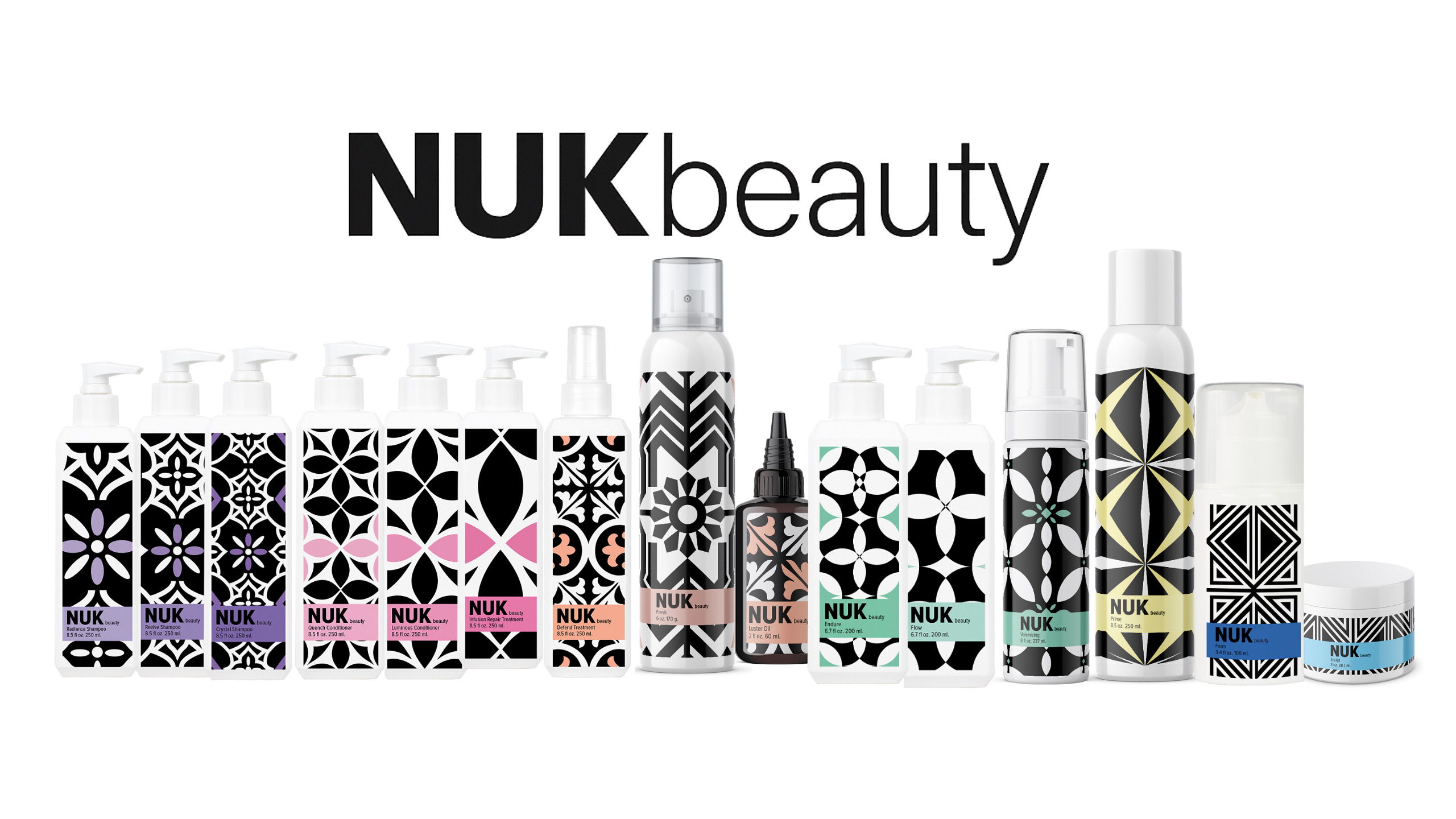
A dependable repair-focused routine usually includes a gentle shampoo suited to your scalp, conditioner every wash day, a deep treatment as needed, leave-in moisture for vulnerable lengths, and heat protection before styling. NUK Beauty approaches haircare by concern, which matters here: dryness, heat damage, frizz, and color stress do not always need the same solution.
Be patient with the timeline. You can make hair feel smoother and easier to manage quickly, but damaged lengths cannot become brand-new hair. The real win is preventing additional breakage while healthier growth comes in. Consistent care beats a drawer full of products you use once.
When breakage needs professional attention
If you notice sudden, severe breakage, bald patches, scalp pain, itching, or a major change in shedding, speak with a dermatologist or licensed stylist. Health changes, certain medications, scalp conditions, and nutritional factors can affect the hair, and topical products alone may not address the cause.
Your hair does not need perfection to look beautiful. It needs fewer stressors, better protection, and a routine that works with its texture and history. Treat the fragile parts with intention, and those stronger, shinier lengths have room to show up.


Comments