
Why Is My Hair Still Frizzy? Fix the Real Cause
You washed it, conditioned it, used the smoothing product, and somehow your hair still puffed up before you made it out the door. So, why is my hair still frizzy? Usually, it is not because you need to pile on more product. Frizz is your hair telling you something is off - often with moisture balance, damage, styling technique, or the environment around you.
The fix starts with identifying the kind of frizz you have. A few flyaways at the crown need a different approach than dry, expanded lengths or curls that lose their shape in humidity. Haircare that actually works is not about using the most steps. It is about using the right ones, consistently.
Why Is My Hair Still Frizzy After Conditioning?
Conditioner is essential, but it cannot always undo what happens before, during, and after wash day. If hair is damaged, overly dry, coated with buildup, or handled roughly while wet, it can still reach for moisture from the air. That is what creates the rough, swollen look we call frizz.
Hair is made of overlapping cuticle layers. When those layers lie flat, light reflects better and hair looks smoother and shinier. When they are lifted by heat, color processing, friction, dryness, or humidity, strands lose that polished finish. The goal is not to make hair unnaturally flat. It is to give the cuticle the hydration, conditioning, and protection it needs to behave.
Your hair may be dry, but it may not need more oil
Dryness is a common cause of frizz, especially on color-treated, highlighted, textured, or heat-styled hair. But oil and moisture do different jobs. Oils and silicone-based smoothing formulas can help seal, soften, and add shine. They do not replace the water-based hydration that dry hair needs.
If your hair feels brittle, tangles easily, looks dull, or drinks up leave-in product immediately, start with a more moisturizing wash routine and a deep treatment. Apply conditioner through soaking-wet lengths, then let it sit for the recommended time before rinsing. On wash days, follow with a leave-in conditioner on damp hair, concentrating on mid-lengths and ends.
A hair oil can be a beautiful finishing step, but use it as a seal and polish, not as your only answer to dehydration. Too much oil on dry hair can leave it shiny at first yet still rough underneath.
Or, you could be over-conditioning weak hair
Soft does not always mean healthy. If your hair feels overly stretchy when wet, goes limp, will not hold a style, or breaks during detangling, it may need repair support along with moisture. Bleaching, frequent color services, heat tools, and chemical treatments can weaken the hair structure. In that situation, a repair-focused treatment can help hair feel stronger and more resilient.
The trade-off is balance. Heavy repair formulas used too often may make some hair types feel stiff, while rich moisture masks can weigh down fine hair. Rotate based on how your hair feels. Healthy hair has flexibility without that gummy, fragile stretch.
Humidity Is Not the Only Weather Problem
Humidity gets blamed for everything, and yes, it can absolutely turn a sleek blowout into a cloud. When the air is humid, porous hair absorbs water from its surroundings. The strand swells unevenly, and the cuticle lifts. Curly and wavy hair can become especially undefined if it lacks a protective styling layer.
But dry climates can create static, which looks like frizz but behaves differently. Static flyaways are often a sign that hair needs conditioning, gentler handling, or a small amount of smoothing product. If your hair gets bigger in summer but electrically fuzzy in winter, your routine may need seasonal adjustments.
For humid days, apply an anti-frizz or humidity-protective styling product evenly to damp hair before you dry it. Do not wait until the finished style has already expanded. The best defense is built into the style from the start. Fine hair usually needs a lightweight formula and a careful hand; thicker, coarser, or highly textured hair may need a more substantial cream or leave-in layer.
Frizz Often Begins With How You Dry Your Hair
The five minutes after washing can make or break the rest of your style. Hair is at its most vulnerable when wet, so aggressive towel rubbing creates friction, roughens the cuticle, and can cause breakage. If you step out of the shower and twist your hair hard into a towel, that habit may be contributing more than you realize.
Instead, gently squeeze out excess water with a soft microfiber towel or a smooth cotton T-shirt. Blot rather than scrub. Then apply your leave-in, heat protectant, and styling product while hair is still damp enough for even distribution.
If you air-dry, avoid constantly touching, separating, or checking your hair while it dries. This is especially important for waves and curls, which need time to form their natural pattern. If you blow-dry, use a nozzle and point airflow down the hair shaft from roots to ends. The direction matters because it encourages a smoother cuticle.
A round brush can create a sleek finish, but it is not mandatory. A paddle brush or blow-dry brush may be easier if your goal is smooth, everyday hair. Whichever tool you use, make sure hair is fully dry before you step into humid air or use a hot iron. Styling hair that is even slightly damp can create more frizz and put unnecessary stress on the strand.
Product Buildup Can Make Hair Look Both Flat and Frizzy
It sounds contradictory, but buildup can leave roots limp while lengths look dry and frayed. Dry shampoo, hairspray, styling creams, hard-water minerals, and even some conditioning ingredients can accumulate over time. When that happens, your hair may stop responding to products that used to work well.
Signs of buildup include hair that feels coated, looks dull, dries strangely, or becomes greasy faster at the scalp while the ends remain rough. A clarifying wash used occasionally can reset the hair and help your conditioning products perform better. How often depends on your routine. Someone who uses dry shampoo and styling products daily may need it more often than someone who washes and air-dries with minimal product.
Do not clarify every wash day unless a professional recommends it. Over-cleansing can strip the scalp and lengths, which sends dry hair right back into a frizz cycle. Follow the reset with a moisturizing conditioner or treatment.
Heat Damage Does Not Always Look Obvious
You do not need visibly burned ends for heat to be part of the problem. Repeated high-heat blow-drying, flat ironing, curling, and hot brushing can slowly wear down the cuticle. Hair may still look fine immediately after styling but become harder to smooth over time.
Heat protectant is not optional if you use heat. Apply it to damp hair before blow-drying and distribute it thoroughly rather than spraying only the top layer. If you go back in with a flat iron or curling iron, make sure hair is dry and use the lowest temperature that gives you the result you want.
More passes do not equal a better finish. A well-prepped section, controlled heat, and a quality tool are kinder to hair than repeatedly ironing the same strand. If your ends are splitting or feel permanently rough, a trim may be the most effective anti-frizz move available. No serum can fuse a split end back together for good.
The Right Routine Depends on Your Hair Type
Straight, fine hair can get frizzy from static, over-washing, and heavy products that leave it dull. It generally benefits from lightweight conditioning, heat protection, and a small amount of finish product through the ends.
Wavy and curly hair often needs more water-based moisture and definition before it dries. Brushing curls once dry can break apart the pattern and create instant fuzz, so detangle with conditioner while wet and style in sections. Coarse or highly textured hair may need richer creams, oils, and protective styles to reduce friction and moisture loss.
Color-treated hair deserves extra attention because processing can make it more porous. Gentle cleansing, repair treatments, and humidity protection help preserve softness and shine between salon visits. This is exactly why a concern-based routine matters more than chasing whatever product is trending.
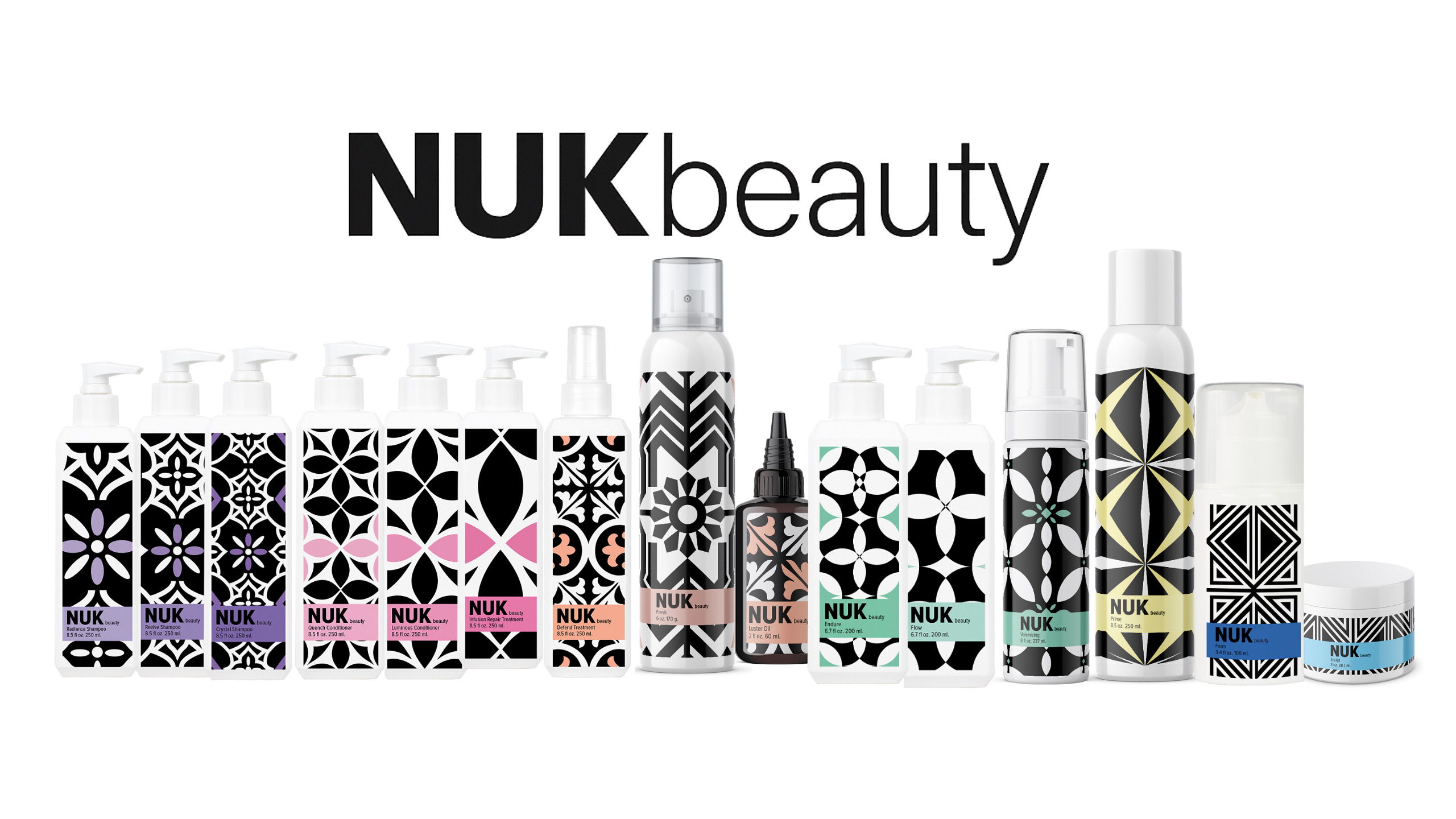
At NUK Beauty, the goal is simple: clean ingredients in, gorgeous hair out. Build your routine around what your hair is actually asking for, whether that is moisture, repair, heat defense, or humidity control, instead of buying five products that all promise the same vague result.
Give Your Routine Time to Prove Itself
Switching products every few days makes it difficult to know what is helping. Give a focused routine several wash days, unless your hair feels immediately coated, irritated, overly stiff, or unusually dry. Pay attention to when the frizz appears: right after washing, during blow-drying, only outdoors, or on day two. That timing is a clue.
Beautiful hair is not hair that never moves or has a single flyaway. It is hair that feels soft, looks healthy, and holds its shape without a daily battle. Treat frizz as useful feedback, make one or two smart changes at a time, and let your hair show you what works.


Comments