
Clean Shampoo and Conditioner Review That Gets Real
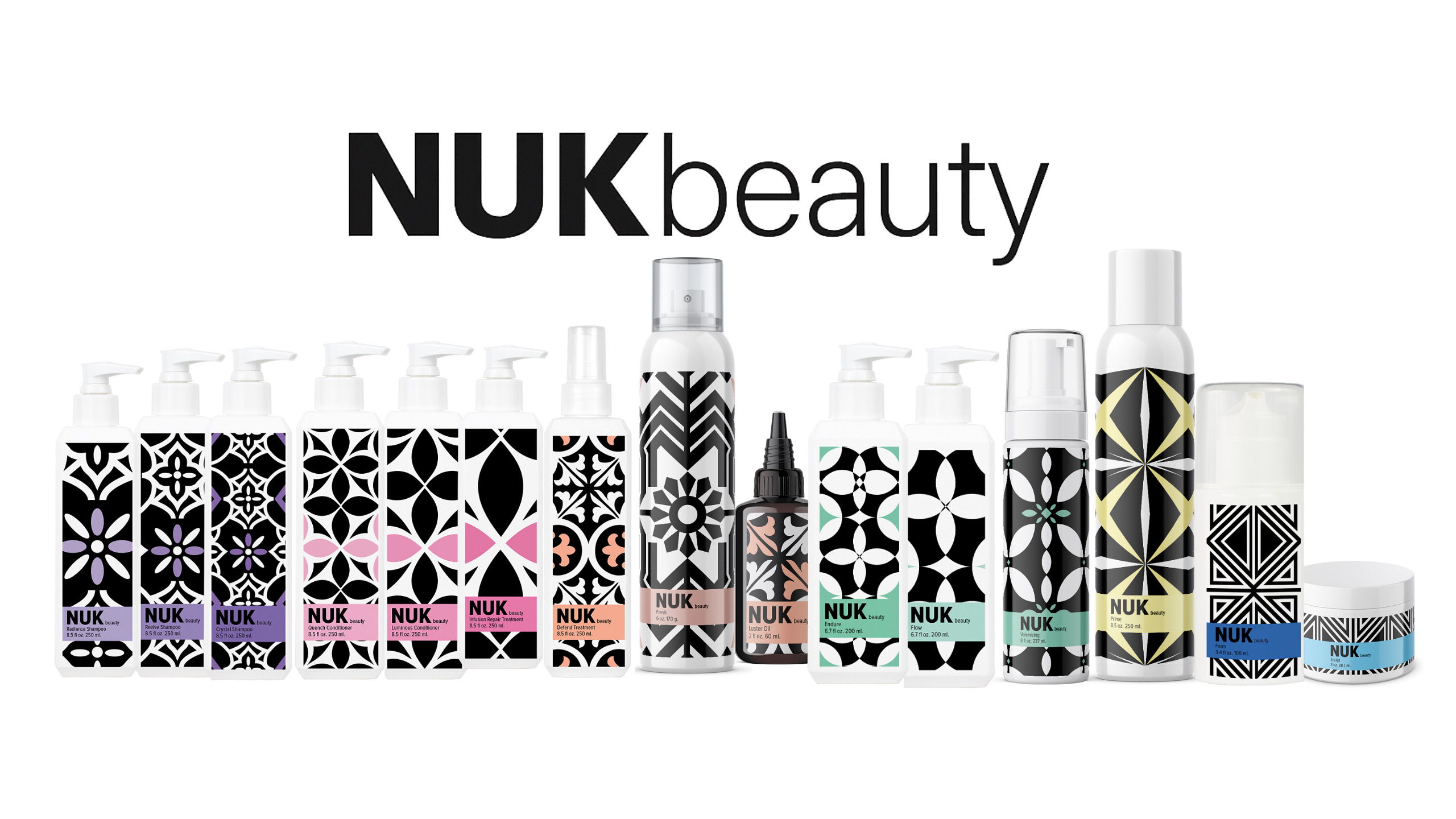
A clean shampoo and conditioner review should not begin and end with a pretty ingredient list. Your hair does not care whether a bottle looks polished on the shower shelf if it leaves your roots greasy by noon, your ends rough, or your color looking dull. Clean haircare has to perform under real conditions: wash day, heat styling, humidity, color appointments, rushed mornings, and every in-between day.
The best formulas make that expectation feel simple. They cleanse without stripping, condition without coating hair in heaviness, and support the result you actually want to see in the mirror: softer texture, smoother shine, better manageability, and hair that feels healthy instead of temporarily disguised.
What “Clean” Should Mean for Your Hair
Clean is not a single regulated standard, which is why the term can feel confusing. One brand may use it to describe an ingredient philosophy; another may use it as a marketing shortcut. For shoppers, the more useful question is not just, “Is this clean?” It is, “Is this a thoughtfully made formula that works for my hair?”
A quality clean shampoo and conditioner should balance mindful ingredient choices with salon-level performance. That means a shampoo needs enough cleansing power to lift oil, buildup, and styling residue, while a conditioner needs enough slip and nourishment to make detangling easier and reduce that dry, snaggy feeling through the lengths.
There is a trade-off worth understanding. A formula that is extremely gentle may feel lovely on sensitive, dry, or color-treated hair but may not be enough for someone who uses dry shampoo, texture spray, heavy oil, or multiple styling products. On the other hand, a stronger cleanser can give oily roots that fresh, airy reset but may be too much for porous or damaged ends. Clean does not mean one formula works for everyone. Targeted does.
Clean Shampoo and Conditioner Review: What Actually Matters
When reviewing a clean shampoo and conditioner, look past the first wash. Almost any product can make hair feel decent for one day. The real test is how your hair behaves after a few washes: Does it stay balanced? Does it style more easily? Are your ends becoming more manageable, or are you reaching for more leave-in products to compensate?
The shampoo should leave hair fresh, not squeaky
That squeaky-clean feeling is often mistaken for a better cleanse. In reality, it can be a warning sign that hair has been stripped too aggressively, especially if your scalp feels tight or your ends feel rough before conditioner even touches them.
A well-made shampoo removes what does not belong on the hair while preserving a comfortable, healthy feel. Oily or fine hair should look lifted at the root rather than flat and coated. Dry, damaged, or color-treated hair should feel clean without becoming straw-like. If your hair gets oily quickly, make sure you are also rinsing thoroughly and applying conditioner mostly from the mid-lengths through the ends. Product placement matters as much as product choice.
The conditioner should improve the hair you already have
Conditioner is not supposed to make every hair type feel identical. Fine hair may need lightweight softness and movement. Coarse, dry, or textured hair may need richer moisture and more slip. Damaged hair may benefit from a treatment-focused approach that helps it feel stronger, smoother, and less prone to breakage from daily brushing and styling.
What you want is a conditioner that makes wet hair easier to comb, helps dry hair look more polished, and does not create a waxy buildup after repeated use. If your hair feels silky in the shower but limp after blow-drying, the formula may be too rich for your texture or you may be using more than you need. Start with a modest amount, then adjust based on your hair’s response.
Your concern should lead the purchase
A generic “all hair types” promise is not always bad, but it is rarely the fastest route to a visible result. Haircare that actually works starts with the concern that bothers you most.
For dryness, prioritize moisture and softness without sacrificing a clean rinse. For damage, look for formulas designed to support smoother, more resilient-feeling hair and pair them with a weekly deep treatment. For frizz, moisture matters, but so does a styling routine with heat protection and humidity defense. For brassiness, a targeted toning product can help, though it should not replace everyday hydration. For fine hair, choose formulas that cleanse thoroughly and condition lightly so volume has room to happen.
NUK Beauty approaches this the salon way: shop the hair concern, not the marketing noise. That is how you build a routine that feels curated without becoming complicated.
Who Will Love Clean Haircare - and Who May Need More
Clean shampoo and conditioner are especially appealing if you want a more intentional routine without giving up the feel of professional haircare. They can be an excellent fit for someone with color-treated hair, dry ends, frequent heat styling, frizz, or a sensitivity to overly perfumed, overly harsh-feeling products.
But a clean formula is not automatically the answer to every hair issue. If you have significant scalp flaking, persistent itchiness, sudden shedding, or irritation, a shampoo alone may not solve the underlying problem. A dermatologist or licensed professional can help you identify whether you are dealing with buildup, sensitivity, a scalp condition, or something else entirely.
Likewise, if your hair has months of mineral deposits, chlorine exposure, or heavy styling buildup, you may occasionally need a clarifying step. That does not mean your everyday clean shampoo has failed. It means your hair needs a reset before your regular routine can do its best work.
How to Get Better Results From Your Routine
The difference between “this product is fine” and “my hair looks incredible” is often technique. Saturate your hair fully before shampooing. Concentrate shampoo at the scalp, where oil and buildup live, and let the suds rinse through the lengths rather than aggressively scrubbing fragile ends.
Follow with conditioner from the mid-lengths to ends. Give it a minute or two to work while you finish the rest of your shower routine, then rinse thoroughly. If your hair is dry or damaged, leave a small amount of moisture behind rather than rinsing until it feels stripped. If your hair is fine or gets oily fast, rinse more completely and keep the product away from the root area.
After washing, do not ask shampoo and conditioner to carry the entire routine. Heat protection is non-negotiable if you blow-dry, curl, or straighten. A leave-in can add softness and detangling support, while an anti-frizz product or lightweight oil can refine the finish. The right wash routine creates the foundation. Your styling products protect and polish the result.
The Bottom Line on Clean Formulas
The strongest clean shampoo and conditioner review is not about declaring one bottle universally perfect. It is about whether a formula delivers the clean, healthy-looking, manageable hair it promises for your specific needs. Ingredient standards matter, but so does the way your hair feels on day one, day three, and after a month of consistent use.
Choose performance with purpose. When your shampoo balances your scalp, your conditioner supports your lengths, and your styling routine protects the finish, clean ingredients can become more than a label on the bottle. They become part of the reason your hair finally looks like you have been taking care of it.


Comments