
Best Products for Hair Breakage That Work
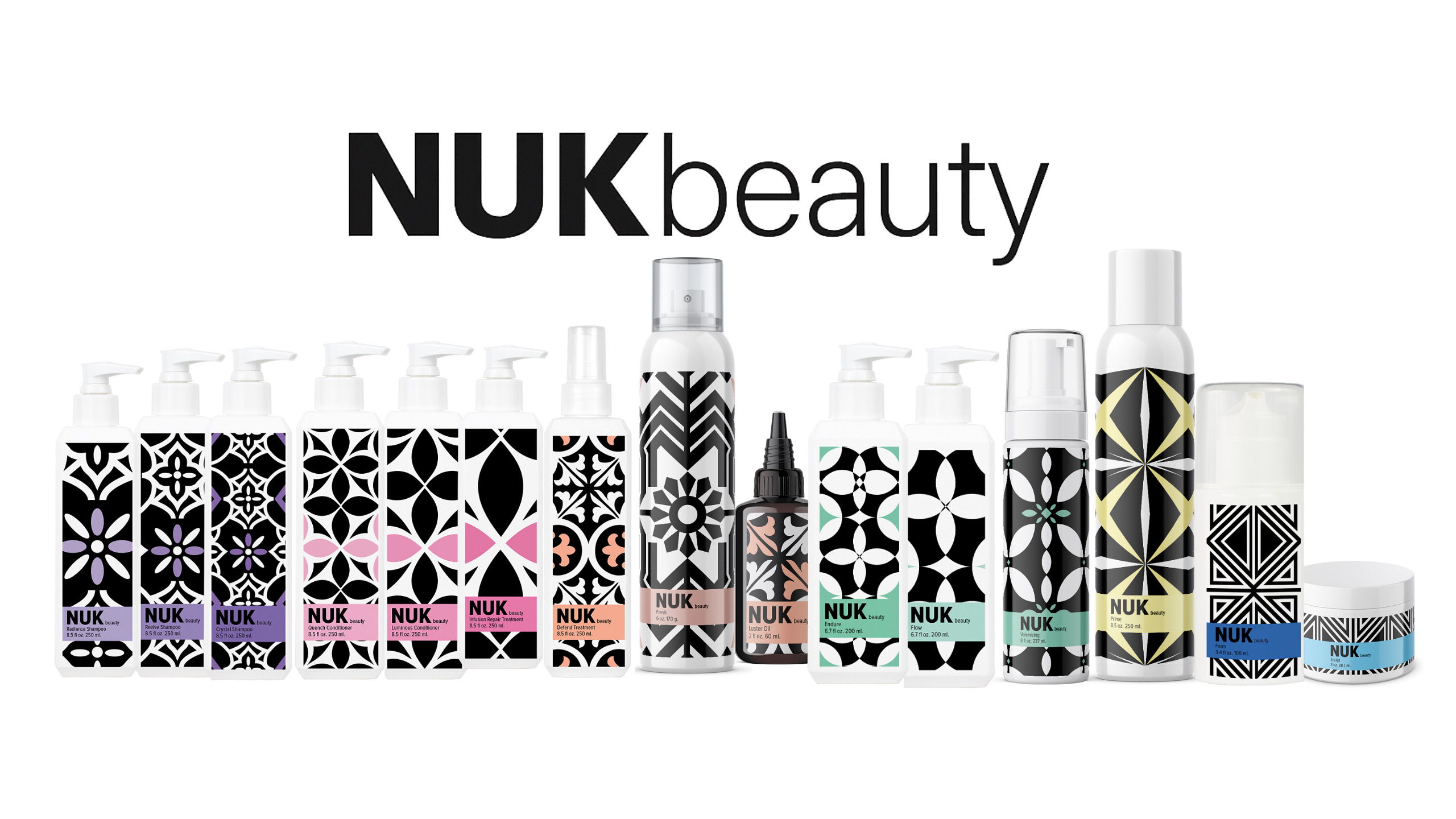
Your hair should not be snapping off in the shower, on your brush, or halfway down the length of a strand. When that starts happening, the best products for hair breakage are not necessarily the ones with the loudest repair claims. They are the formulas that support weak, dry lengths every time you wash, detangle, style, and protect your hair from heat.
Breakage is rarely caused by one bad hair day. It is usually the result of repeated stress: hot tools, color services, aggressive brushing, tight styles, dry indoor air, friction from sleeping, or a routine that cleans without properly conditioning. The good news is that a targeted product routine can make hair feel softer, stronger, more flexible, and far less likely to snap.
First, Know Whether It Is Breakage or Shedding
Hair breakage and shedding can look similar in the drain, but they need different attention. Shed hair usually comes out from the root and has a small white bulb at one end. Breakage happens when the strand splits or snaps along the mid-lengths and ends, often leaving uneven pieces, frizz, and a thinner-looking perimeter.
If your ponytail feels less full, your ends look wispy, or you keep seeing short broken hairs around your crown and hairline, you are likely dealing with breakage. Dryness, rough texture, tangles, and split ends often show up alongside it.
No shampoo or treatment can permanently fuse a split end back together. What high-performing products can do is improve condition, lubrication, and manageability so fragile hair is exposed to less force. Pair that with regular trims, and you have a routine that protects the length worth keeping.
The Best Products for Hair Breakage Build a System
A single miracle product is tempting, but breakage responds best to a smart system. Every step should have a job: cleanse without stripping, condition for slip, treat damage, protect from heat, and reduce friction between wash days.
1. A gentle, moisture-focused shampoo
Hair that is already fragile does not need an overly harsh cleanse. A quality shampoo should remove oil, buildup, and styling residue while leaving hair comfortable rather than squeaky or tangled. That clean-but-not-stripped feeling matters because brittle hair is more vulnerable when wet.
Choose a shampoo based on what is making your breakage worse. If your hair is dry or color-treated, prioritize moisture. If it is fine and easily weighed down, use a lightweight formula that keeps the scalp fresh without making lengths feel coated. If you use dry shampoo, texture spray, or styling products often, clarify occasionally, then follow immediately with a rich conditioner or mask.
Over-cleansing can leave lengths rough and thirsty. Under-cleansing can lead to buildup that makes hair dull, stiff, and hard to manage. The right wash schedule depends on your scalp, your styling routine, and how quickly product accumulates.
2. A conditioner with serious slip
For breakage-prone hair, conditioner is not optional. It is the step that helps soften the cuticle, reduce tangles, and make detangling less of a fight. Skipping it because your roots get oily often creates a new problem at the ends, where hair is oldest and most vulnerable.
Apply conditioner from the mid-lengths through ends, then let it sit for a minute or two before rinsing. Use your fingers or a wide-tooth comb to gently work through knots while the hair has slip. Start at the ends and move upward. Pulling a brush from root to tip through wet tangles is one of the quickest ways to turn a manageable knot into breakage.
If your hair feels limp after conditioning, the answer is not necessarily to stop conditioning. Try a lighter formula, use less product near the root, and focus the richer moisture where you need it most.
3. A deep repair treatment for weak lengths
A deep treatment gives stressed hair the extra support daily conditioner may not provide. Look for a formula designed for damage, dryness, or repair that leaves hair more supple and easier to comb through. Use it once a week to start, then adjust based on how your hair responds.
The right balance matters. Moisture-focused treatments are especially helpful when hair feels rough, stiff, or straw-like. Protein-containing treatments can be useful when strands feel overly stretchy, weak, or unable to hold shape. But more protein is not always better. On hair that is already dry or coarse, using strong protein treatments too often can make the texture feel hard.
Pay attention to the finish after a few uses. Healthy-looking hair should feel flexible, not coated, crunchy, or heavy. If your lengths are soft but still snapping, look at your heat habits and detangling technique. Products can help, but they cannot fully outwork mechanical damage.
4. A leave-in conditioner for daily defense
A leave-in conditioner is one of the hardest-working products in a breakage routine because it stays on the hair through brushing, drying, and styling. It adds moisture, improves glide, and helps protect fragile ends from the friction that happens after wash day.
Apply it to damp hair, concentrating on areas that tangle or feel dry. Fine hair usually needs a light mist or a small amount of product. Thick, curly, textured, or highly processed hair may need a more nourishing cream. The goal is touchable slip, not a greasy finish.
This is also the product to reach for between washes if your ends begin to feel dry. A small amount worked through the last few inches can make a real difference in how easily your hair moves through a brush or sits inside a ponytail.
5. A heat protectant you actually use
If you blow-dry, curl, flat-iron, or use hot rollers, heat protection is non-negotiable. Heat can quickly dehydrate the outer layer of the hair, making strands less elastic and more likely to crack. A heat protectant creates a critical buffer, but it still needs to be paired with smarter tool habits.
Apply it evenly before heat styling, especially through the most damaged sections. Then lower the temperature. Fine, color-treated, and already compromised hair rarely needs the highest setting on the tool. Slow down your styling process instead of making repeated passes over the same section.
Blow-drying with tension is another common source of breakage. If possible, let hair air-dry partway before using a dryer, and avoid aggressively yanking at wet hair with a round brush. Your style can still look polished without treating every strand like it needs to be pulled straight into submission.
6. A lightweight hair oil or finishing serum
Hair oil will not repair internal damage, but it can make damaged hair look and feel noticeably better. A lightweight oil or serum helps smooth the surface, reduce the dry appearance of ends, add shine, and minimize friction from clothing, pillows, and brushing.
Use one or two drops on dry hair, beginning at the ends. The right amount is personal. Fine hair may need barely a touch, while thick or coarse hair may love a little more. If your hair looks oily, dull, or stringy afterward, you likely used too much or applied it too close to the roots.
The Routine Habits That Protect Your Results
Even the best formulas need good habits around them. Replace rough towel-drying with gently squeezing water from the hair using a soft towel or T-shirt. Detangle with patience. Avoid tight elastics and styles that pull at the same spot day after day. A loose braid or soft scrunchie is far kinder to fragile lengths than a tight, high ponytail.
Your pillowcase matters too. Smooth fabrics create less drag than rough cotton, particularly if you toss and turn or have textured hair. And if you are growing out damage, trims are part of the strategy, not a setback. Removing split ends keeps them from traveling farther up the strand.
NUK Beauty approaches breakage the salon way: clean, performance-driven care that supports stronger-looking hair without making your routine complicated. Choose products by what your hair is telling you - dryness, tangles, heat damage, frizz, or weak ends - rather than buying every repair product on the shelf.
Give a consistent routine at least several weeks before judging it. The first win may be less tangling, then smoother ends, then fewer broken pieces on your brush. Stronger hair is built in the small moments: a gentler wash, a richer conditioning step, heat protection before styling, and a little more care for the lengths you want to keep.


Comments