
How to Choose Salon Quality Shampoo That Works
A shampoo can make your hair feel clean for an hour and still leave it dry, flat, frizzy, or impossible to style by lunchtime. That is why learning how to choose salon quality shampoo is less about buying the most expensive bottle and more about matching a professional formula to what your hair actually needs.
Salon-quality haircare should earn its place in your shower. It should cleanse without stripping, support your color and style, and make the rest of your routine work better. Clean ingredients matter, but performance matters too. Gorgeous hair comes from choosing a formula that solves the problem in front of you, not from collecting products with impressive labels.
Start With Your Scalp, Not Just Your Ends
Your scalp determines how often you need to wash and how cleansing your shampoo should be. Your ends tell you how much moisture, repair, and protection your formula needs. Most people focus only on dry or damaged ends, then choose a shampoo that is too heavy for their scalp.
If your roots get oily within a day or two, look for a balanced or clarifying shampoo designed to remove excess oil, product buildup, and environmental residue. The goal is a fresh scalp, not that squeaky, stripped feeling that can trigger even more oil production or leave hair rough.
If your scalp feels tight, flaky, or uncomfortable after washing, a gentler, moisture-focused cleanser is usually the smarter move. Avoid treating every flake as a reason to scrub harder. Dryness, sensitivity, buildup, and true dandruff can look similar, but they do not respond to the same approach. If persistent itching or flaking is a concern, check with a dermatologist.
For many people, the sweet spot is a shampoo that cleans the scalp effectively while leaving the lengths soft enough to detangle without a fight.
Choose by Your Biggest Hair Concern
The best salon shampoo is not automatically the one marketed for your texture. It is the one that addresses the concern that is getting in the way of your best hair day.
Dry or damaged hair
Bleach, color services, heat tools, sun exposure, hard water, and tight styling can all leave hair feeling brittle. Choose a nourishing shampoo with conditioning ingredients and a gentle cleansing base. It should help hair feel smoother and more flexible after rinsing, not coated or limp.
If your hair is severely compromised, shampoo alone will not rebuild it. Pair a repair-focused cleanser with a conditioner or deep treatment that supports strength and moisture. Think of shampoo as the clean foundation, not the entire repair plan.
Frizz and humidity issues
Frizz is not always a sign that you need more oil. It can come from dryness, raised cuticles, humidity, damage, or product buildup. A smoothing shampoo can help create a softer starting point, but it works best when followed by a leave-in, anti-frizz product, or heat protectant that stays on the hair.
Choose a formula that leaves your strands hydrated and manageable, especially if you blow-dry, straighten, or curl your hair often. A shampoo cannot block humidity by itself, but it can make styling easier and help your finishing products perform better.
Fine or flat hair
Fine hair needs clean roots and lightweight conditioning. Heavy oils, dense butters, and overly rich formulas may make your hair feel soft at first, then collapse your volume by noon. Look for a volumizing or balancing shampoo that removes buildup without making the lengths feel stiff.
Volume shampoos are not meant to turn fine hair into thick hair. What they can do is help your natural texture look fuller, bouncier, and easier to lift at the root.
Color-treated or brassy hair
Color-treated hair needs a formula that cleans gently and respects the investment you made in the salon. If your blonde, gray, or highlighted hair turns yellow or orange between appointments, a purple-toned shampoo can help counter unwanted warmth.
Use toning shampoo strategically. It is a maintenance tool, not necessarily an every-wash product. Leaving it on too long or using it too often can make some hair feel dry or create an overly cool cast. Follow with moisture, especially on highlighted or porous hair.
Read the Formula With a Purpose
Ingredient lists can be useful, but you do not need a chemistry degree to shop well. Start with the formula promise, then look for signs that it aligns with your needs.
A quality shampoo should clearly tell you what it is designed to do: hydrate dry hair, cleanse oily roots, protect color, improve manageability, or add volume. Vague claims like “for all hair types” can be fine for uncomplicated hair, but they rarely solve a specific concern as well as a targeted formula.
For dry hair, look for moisture-supporting ingredients such as plant oils, humectants, and conditioning agents. For damaged hair, look for formulas built around strengthening and smoothing benefits. For oily or buildup-prone hair, choose a cleanser that feels thorough without relying on an aggressive wash every single day.
Also pay attention to what happens after repeated use. A shampoo can feel amazing on day one but gradually leave fine hair heavy, create buildup, or make dry hair feel more thirsty. Salon quality is not just the first wash. It is consistent, visible performance over time.
Do Not Confuse “Clean” With “Weak”
Clean haircare should not mean settling for hair that looks dull, feels coated, or refuses to behave. The right formula can be thoughtfully made and still deliver the polished results you expect from a salon.
At the same time, “clean” is not a universal performance category. One person may prioritize a certain ingredient standard, while another needs a stronger cleanse because they use dry shampoo, styling paste, workout often, or live in a humid climate. Your routine matters.
The best choice is one you feel good using and one that gives you a noticeable payoff: softer hair, longer-lasting color, less frizz, better shine, easier styling, or cleaner roots. Haircare that actually works should not require you to lower your standards.
Match Shampoo to How You Wash and Style
A formula that is perfect for someone who washes daily may not suit someone who washes twice a week. If you wash often, a gentle, balanced shampoo helps you avoid over-cleansing. If you wash less frequently and rely on styling products or dry shampoo, you may need an occasional deeper cleanse to reset your hair and scalp.
Heat styling changes the equation too. If your blowout, flat iron, or curling wand is part of your routine, choose a shampoo that supports moisture and manageability, then use a dedicated heat protectant. Do not expect shampoo to carry the entire burden of heat defense after it has been rinsed away.
Water quality can also affect results. Mineral-heavy water may leave hair feeling dull, dry, or coated no matter how good your shampoo is. If that sounds familiar, a clarifying wash used occasionally can help remove buildup. Follow it with a rich conditioner or treatment so your hair gets the reset without the roughness.
Know When a Shampoo Is Not the Right Fit
You do not need to force a bottle to work because it was expensive or popular. If your scalp becomes itchy, your roots get greasy faster, your color looks dull, or your ends feel harder to detangle after a few weeks, pay attention. Those are useful signals.
Give a new shampoo several washes unless it causes immediate irritation. Your hair may need a little time to adjust, particularly if you are moving away from a formula that left behind heavy conditioning residue. But adjustment should not mean ongoing discomfort or consistently worse hair days.
Sometimes the issue is not the shampoo itself but the system around it. A rich shampoo paired with a heavy mask and oil may overwhelm fine hair. A clarifying shampoo without enough conditioning may leave damaged hair rough. Balance is where the salon-level result happens.
Build a Simple, High-Performing Routine
You do not need a shelf full of products. Start with one shampoo selected for your scalp and primary concern, then add a conditioner that supports your lengths. From there, choose one targeted treatment or styling product based on your most visible challenge, whether that is breakage, frizz, brassiness, or flat roots.
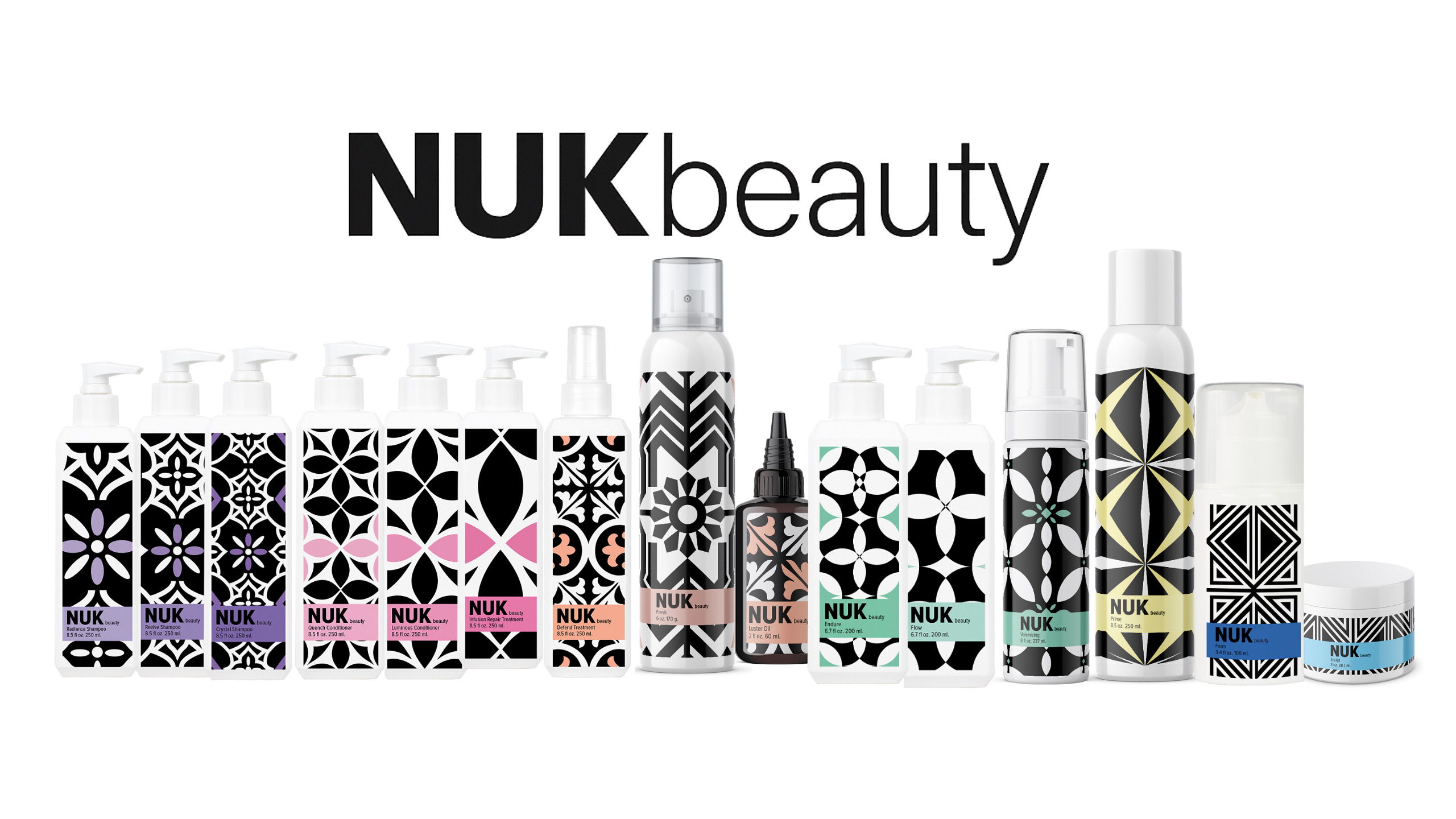
NUK Beauty approaches haircare the same way: by helping you shop by solution rather than guess by packaging. A focused routine is easier to stick with, and consistent use is what lets great formulas show their value.
Your best shampoo should leave you with hair that feels clean at the root, soft through the ends, and easier to style into the look you want. When that happens, you are not just washing your hair. You are setting up every good hair day that follows.


Comments