
Best Heat Protectant for Hair: What to Look For
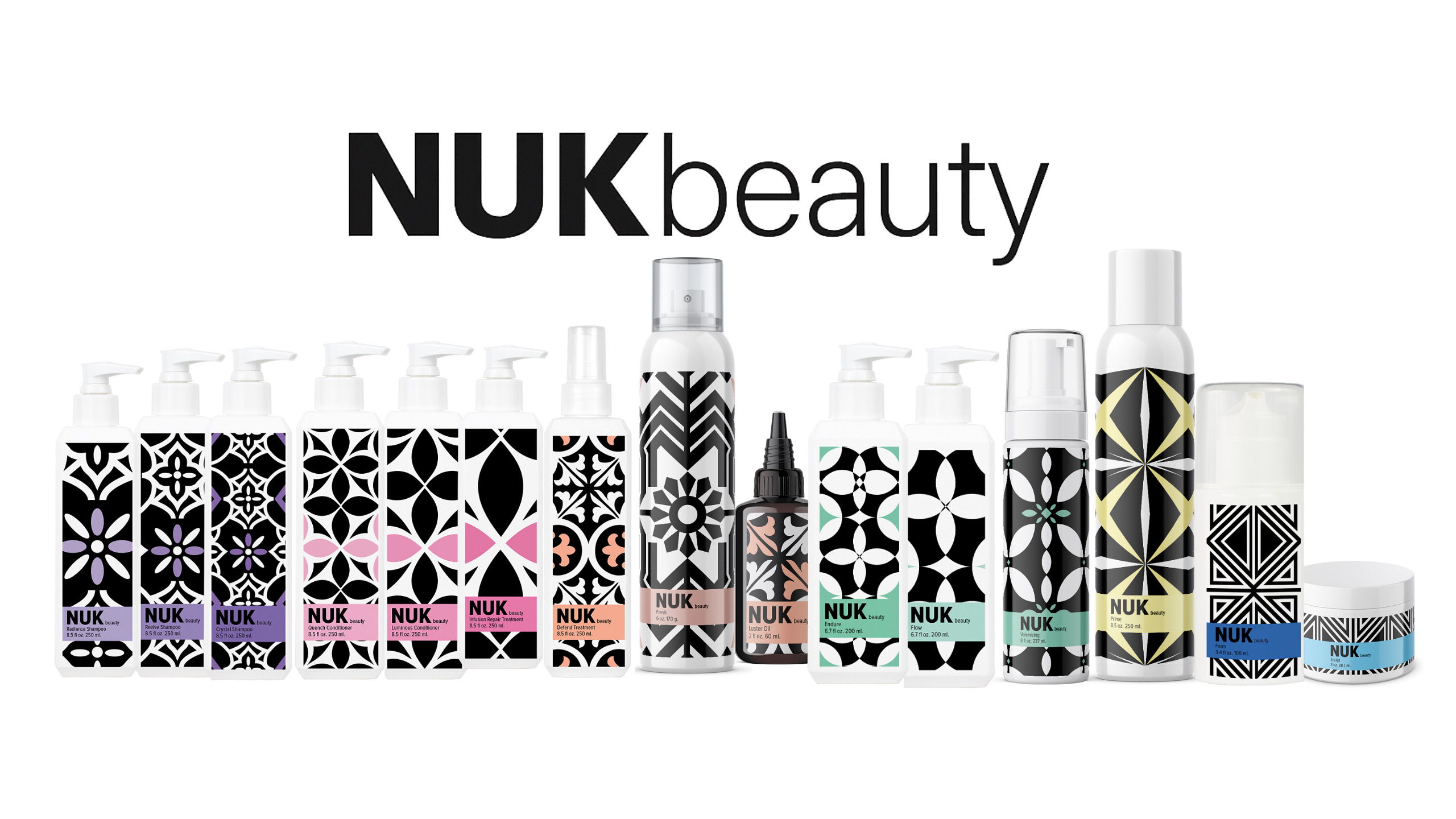
Flat iron passes, quick blowouts before work, curling wand touch-ups before dinner - heat styling adds up fast. If you use hot tools even a few times a week, finding the best heat protectant for hair is less about chasing hype and more about keeping your hair smooth, strong, and actually manageable over time.
A good heat protectant is not just a styling extra. It is part of damage control. The right formula helps reduce moisture loss, soften the impact of high temperatures, and leave hair looking shinier instead of fried. The wrong one can leave fine hair limp, curls sticky, or dry ends still exposed. That is why the best choice depends on your hair type, your styling habits, and what kind of finish you want when you are done.
What makes the best heat protectant for hair?
The best heat protectant for hair does two jobs at once. First, it helps shield the hair fiber from the stress of blow dryers, curling irons, and flat irons. Second, it improves how the hair behaves during styling, whether that means less frizz, better slip, more shine, or a smoother blowout.
That matters because heat damage rarely shows up all at once. It builds gradually. Hair starts to feel rougher. Ends split faster. Color looks dull. Styles stop holding the way they used to. You may think you need a heavier mask or more oil, when the real issue is that repeated heat exposure is breaking down the condition of the hair little by little.
A strong protectant formula usually includes conditioning agents, lightweight silicones or plant-based smoothing ingredients, and moisture-supporting components that help reduce dryness. Clean formulas can still perform at a high level, but they need to be well-balanced. If a product is too light, it may not give enough protection for high-heat styling. If it is too heavy, it can coat the hair and make everything feel greasy by day two.
The formula matters more than the label
A lot of products claim heat protection. That does not automatically make them the best heat protectant for hair for your routine. What matters is how the formula fits your hair.
If your hair is fine or gets oily fast, a lightweight spray usually makes the most sense. It gives more even distribution and helps avoid the flat, overloaded feeling that richer products can cause. Fine hair still needs protection, but it needs it in a cleaner, more flexible format.
If your hair is thick, coarse, damaged, or highly processed, a cream or richer leave-in style protectant may work better. Those hair types often need extra smoothing and moisture support, especially before a blowout. A mist can still work, but sometimes it is not enough on its own.
For curly or textured hair, the best option often sits somewhere in the middle. You want enough protection to defend against diffuser heat or occasional flat ironing, but not so much that the curl pattern gets sticky or weighed down. A flexible, conditioning protectant that also helps with frizz usually performs best.
For color-treated or bleached hair, heat protection should be non-negotiable. Chemically processed hair is already more vulnerable, so every styling session needs to work harder, not harsher. In that case, look for a protectant that supports shine and softness, not just one that promises a high heat number on the bottle.
What to look for in a heat protectant
Start with performance, not packaging. A product can sound luxurious and still do very little once heat hits the hair.
Look for formulas that leave hair smoother, reduce frizz, and help with comb-through before styling. If a heat protectant improves the way your brush moves through damp hair, that is usually a good sign. Better slip means less mechanical stress before the hot tool even comes in.
It also helps to pay attention to finish. Some protectants are made for sleek blowouts. Others are better for body and movement. Some add shine but can soften volume. None of that is bad - it just means you should pick based on your goal, not a generic best-seller list.
Ingredient-wise, lightweight smoothing agents, conditioning polymers, proteins in moderation, and moisture-supporting ingredients can all be useful. But balance is everything. Protein-heavy formulas can make some damaged hair feel stronger, while other hair types may feel stiff if protein is overdone. Oils can add softness and shine, but too much oil before direct heat can feel heavy, especially on fine strands.
If you prefer clean, salon-quality formulas, the goal is not to avoid performance ingredients. The goal is to choose products that are thoughtfully formulated, reliable, and easy to use consistently. Haircare that actually works should not require a chemistry degree or six extra steps.
How to choose the best heat protectant for your hair type
If your hair gets frizzy the second humidity shows up, choose a protectant with smoothing benefits built in. You want heat defense and frizz control in one step, especially if you blow dry regularly. That saves time and helps keep the style cleaner longer.
If your biggest issue is breakage or overprocessed ends, prioritize softness and conditioning. You need a formula that supports compromised hair while still giving enough slip for styling. The best heat protectant for hair in this case often feels more treatment-driven than purely cosmetic.
If your hair struggles to hold volume, avoid rich creams unless you are using a tiny amount only on the ends. A lighter spray or foam-based protectant is usually the better call. Heat protection should not cancel out the style you are trying to create.
If you wear your hair curly most days and only heat style occasionally, pick a product that can multitask. A leave-in that protects against heat while managing dryness and frizz gives you more value and makes wash day simpler.
And if you use multiple hot tools, be honest about that. Someone who air dries most of the time has different needs than someone who blow dries, then flat irons, then touches up with a curling iron two days later. The more heat you use, the more your product needs to perform under pressure.
Application is where results are won or lost
Even the best formula can disappoint if you use it the wrong way. Heat protectant needs even distribution. If you spray only the top layer of your hair and skip the mid-lengths and ends, you are leaving the most fragile areas exposed.
Apply on damp hair before blow drying unless the product specifically says it can also be used on dry hair. Sectioning helps, especially if you have thick hair. You do not need to drench it, but you do need enough product to coat the hair lightly from roots to ends, or at least from mid-lengths to ends if your roots get oily quickly.
Comb it through. That step gets skipped all the time, and it matters. A quick pass with a wide-tooth comb or detangling brush spreads the product more evenly and helps prevent concentrated spots that feel sticky or greasy.
Then give the product a moment. Hair should be protected, not soaking wet with product when you start styling. If you are going in with a flat iron, make sure the hair is fully dry first. No protectant can save hair from direct high heat on damp strands.
Temperature also matters more than most people think. You do not always need the highest setting to get polished results. Fine, fragile, or color-treated hair usually does better at lower heat than thick, resistant hair. If your protectant is doing its job, you should not need to max out your tool every time.
Common mistakes that make heat damage worse
The biggest mistake is thinking heat protectant makes hair invincible. It helps reduce damage. It does not erase it. Daily high-heat styling will still take a toll, especially on already dry or compromised hair.
Another common problem is using too little product because you are afraid of buildup. That is understandable, especially if you have fine hair, but there is a difference between using a lightweight formula correctly and barely protecting the hair at all.
Using oils alone as heat protection is another gray area. Some oils add softness and shine, but not every oil is designed to protect hair under direct high temperatures. If you like oils, think of them as a finishing or support step unless the product is specifically formulated for heat defense.
Finally, do not ignore the condition of your hair underneath the styling routine. If your strands are already dehydrated, porous, or overprocessed, your protectant has to work harder. That is where a consistent routine matters - a good shampoo, conditioner, repair treatment, and leave-in can make your heat protectant perform better because the hair is starting from a stronger place.
The best heat protectant for hair is the one you will actually use every single time you style, one that fits your hair type, supports the finish you want, and helps your hair stay glossy and touchable instead of slowly wearing down. If you want salon-level results at home, this is one step worth being serious about. Healthy-looking hair is not just about how you style it. It is about how well you protect it before the heat even starts.


Comments