
How to Repair Damaged Hair That Lasts
You can usually spot damaged hair before you even touch it. The ends look frayed, your color goes dull faster, and no matter how much you style it, it still feels rough, puffy, or limp. If you are wondering how to repair damaged hair, the answer is not one miracle product or one wash day. It is a smart routine that stops the damage cycle while giving your hair what it actually needs to recover.
That matters because damaged hair does not behave like healthy hair. It tangles more easily, loses shine, snaps under tension, and struggles to hold moisture. The good news is that you can make a real difference at home with the right habits and the right formulas. The goal is not perfection overnight. The goal is stronger, softer, more manageable hair that keeps getting better with consistent care.
What damaged hair really needs
Hair damage shows up in a few familiar ways - dryness, split ends, breakage, frizz, a rough texture, and a lack of shine. But those signs do not all come from the same source. Heat styling can weaken the cuticle. Bleach and color services can strip strength and moisture. Tight hairstyles, rough brushing, sun exposure, hard water, and overwashing can all add up.
That is why learning how to repair damaged hair starts with understanding the difference between temporary softness and actual improvement. Oils and silicones can make hair feel smoother right away, and that can be helpful, but softness alone is not repair. Truly damaged hair needs a routine that balances moisture, strength, and protection.
There is also a reality check here. Split ends cannot be sealed back together forever, and severely compromised hair may need a trim before it can look its best again. Repair is often about improving the condition of the hair you still have, preventing further breakage, and helping new growth stay healthier than what came before.
How to repair damaged hair without making it worse
The biggest mistake people make is throwing too much at damaged hair all at once. A heavy mask, then a protein treatment, then oil every day, then heat styling to smooth it out. That can backfire. Hair that is overloaded with moisture can feel limp and mushy. Hair that gets too much protein can feel stiff and brittle. Better hair usually comes from consistency, not chaos.
Start with a gentle cleansing routine. If your shampoo leaves your hair squeaky, stripped, or tangled, it is probably too harsh for already stressed strands. Damaged hair needs cleansing that removes buildup without wiping out every bit of moisture. If you use a lot of dry shampoo, styling products, or heavy oils, you may need an occasional deeper cleanse, but not every wash.
Conditioner is where a lot of repair routines either succeed or fail. This is not the step to rush through. Focus your conditioner from mid-lengths to ends, where hair is oldest and most fragile. Let it sit for a minute or two before rinsing. That little pause gives the formula time to soften, detangle, and reduce friction when you comb or style.
Then bring in a deep treatment once or twice a week. If your hair feels dry, rough, and puffy, lean into moisture. If it feels weak, stretchy when wet, and prone to snapping, it may also need strengthening support. Some hair needs both, especially if it is color-treated or heat-damaged. This is where salon-quality, concern-based products make a visible difference because the formulas are designed to target a problem instead of just coating over it.
Repair starts in the shower, but it does not end there
A leave-in conditioner is one of the easiest ways to improve damaged hair because it keeps working after you rinse. It adds slip, helps detangle, and gives fragile strands a buffer against daily stress. For many people, this is the step that makes hair feel more manageable almost immediately.
If your hair is especially dry or frizzy, a lightweight hair oil can help seal in softness and add shine. The key is lightweight. Too much oil can make damaged hair look greasy while still feeling dry underneath. A few drops on damp or dry ends usually does more than saturating your whole head.
Heat protection is non-negotiable if you use a blow dryer, flat iron, curling iron, or hot brush. If you are serious about how to repair damaged hair, you cannot keep exposing it to high heat with no barrier in place. Heat protectants help reduce the stress, but they are not permission to crank every tool to the highest setting. Most people can get the result they want with less heat than they think.
That same logic applies to tension. Aggressive towel drying, rough detangling, tight ponytails, and sleeping with hair rubbing against cotton pillowcases can all chip away at already fragile strands. Small changes matter. Use a microfiber towel or soft T-shirt, detangle from the ends up, and avoid pulling hair back so tightly that you can feel the strain.
The biggest causes of hair damage
Sometimes the fastest way to repair damaged hair is to stop doing the thing that is causing the damage in the first place. For some people, that is daily hot tools. For others, it is overlapping bleach, frequent glosses, poor brushing habits, or skipping trims for too long.
Color-treated hair usually needs a little more support because chemical services can make the cuticle more vulnerable. That does not mean you cannot color your hair. It means your home care has to match the reality of what your hair has been through. If your blonde suddenly feels dry and gummy or your brunette is breaking around the face, your hair is asking for a reset.
Fine hair brings its own trade-offs. It gets damaged easily, but heavy repair products can flatten it. In that case, use lighter formulas more consistently instead of piling on rich products all at once. Coarse or curly hair often tolerates richer moisture better, but it can still break if it is under-protected from heat or handled too roughly when wet.
This is also why one person swears by protein while another says it ruined their hair. It depends on hair type, damage level, and how often it is used. Stronger is not always better. Balanced is better.
A realistic weekly routine for damaged hair
If your hair feels fried, keep the routine simple enough that you will actually stick to it. Wash with a gentle shampoo two to three times a week, depending on your scalp and product buildup. Follow with conditioner every wash. Use a deep treatment once or twice a week based on how dry or weak your hair feels.
After washing, apply leave-in conditioner before detangling. Add a small amount of hair oil to the ends if you need extra softness or shine. If you heat style, use a dedicated heat protectant every single time. On non-wash days, resist the urge to restyle with high heat unless you really need to. A little anti-frizz support or a light refresh product can often get the job done.
If your ends are splitting badly, book a trim. That is not giving up on repair. It is part of it. Hair looks healthier faster when the most damaged pieces are removed, and the rest of your routine works better after that.
With consistent care, most people notice better softness and shine first. Breakage and strength take longer. That timeline can be frustrating, but it is normal. Hair recovery is not instant because the damage did not happen instantly either.
When damaged hair needs a different approach
There are moments when at-home care is not enough by itself. If your hair feels gummy when wet, is breaking in large amounts, or has been heavily lightened, you may need a more tailored salon plan along with a gentler home routine. Very compromised hair does not respond well to guesswork.
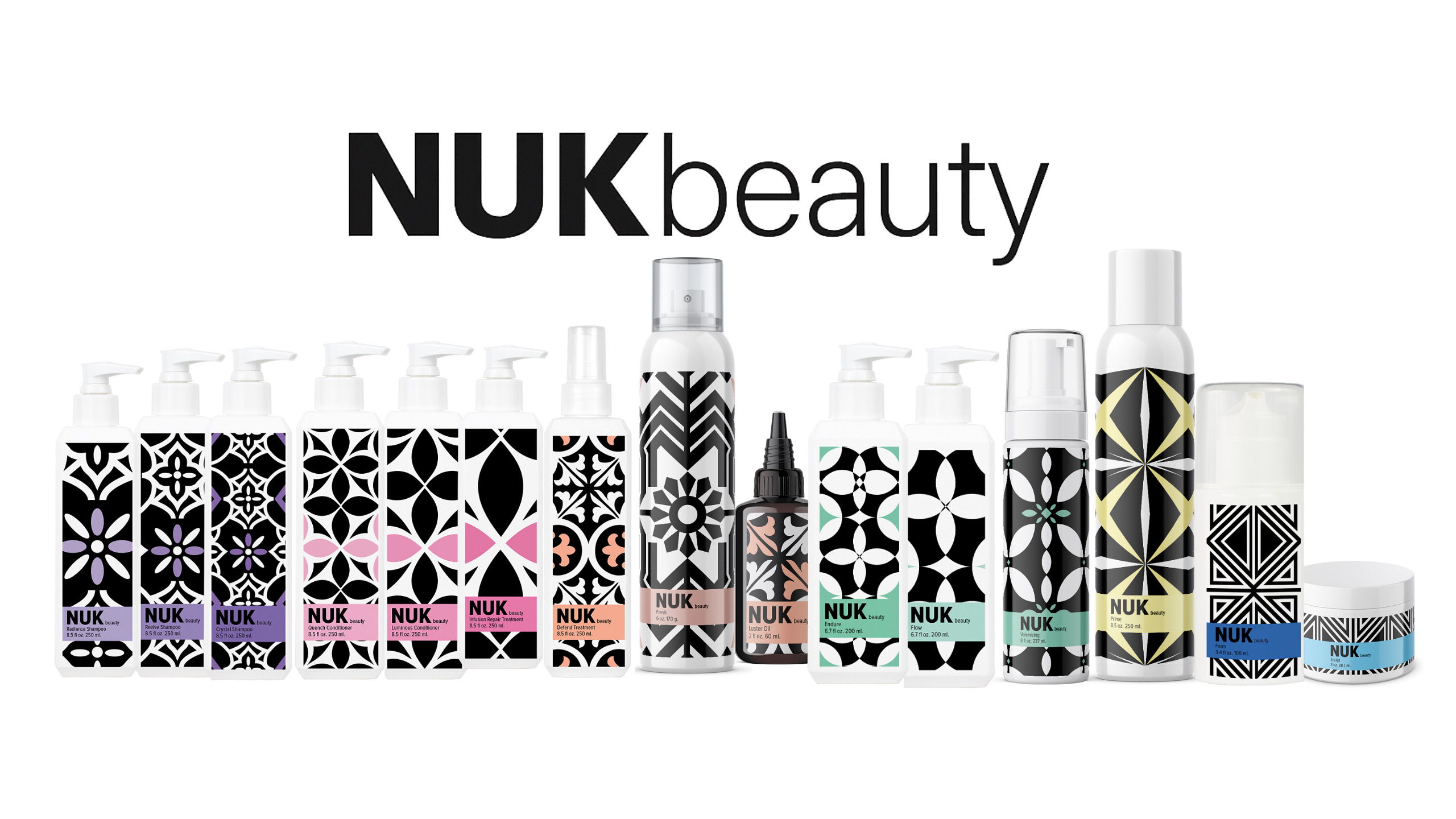
This is where a salon-informed brand like NUK Beauty makes sense. The strongest routines are not built around hype. They are built around solving the actual problem - dryness, breakage, heat damage, frizz, or overprocessed color - with clean, performance-driven formulas that work together.
The best repair routine is the one that fits your real life. If you wash three times a week, your products should support that. If you color your hair, style it often, or live somewhere humid, your routine needs protection as much as treatment. Healthy hair is not just about what you use when it feels damaged. It is about what you keep doing once it starts looking better.
Damaged hair can absolutely come back softer, shinier, and stronger than it looks right now. Just do not chase overnight fixes. Treat your hair like it is worth protecting, and it will start acting like it.


Comments