
What Is a Good Clean Shampoo?
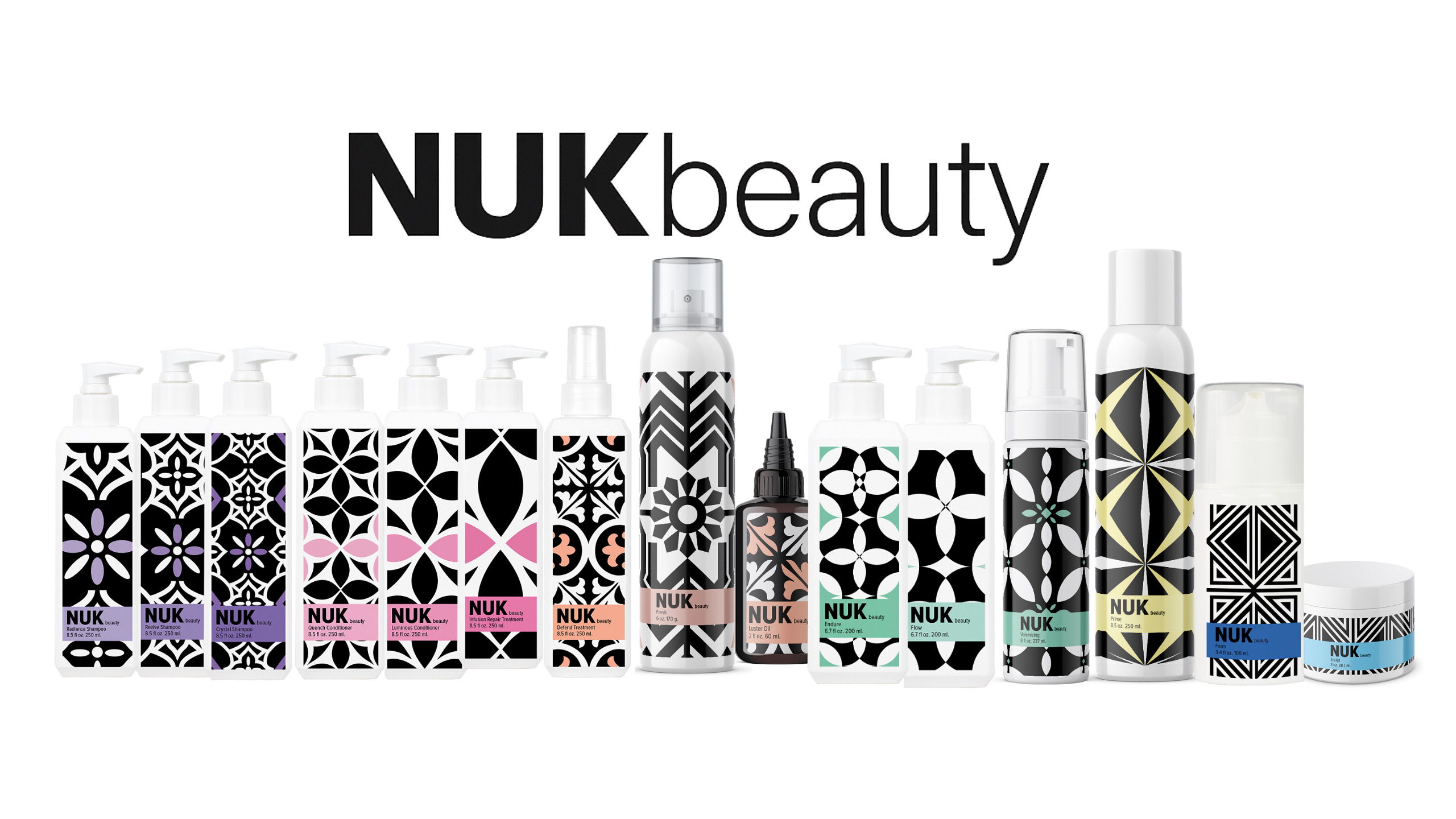
You can usually tell when a shampoo is all marketing by wash number three. The first rinse feels promising, then your hair starts acting up - flat at the roots, dry at the ends, frizzy by noon, or somehow both coated and stripped. So if you’re asking what is a good clean shampoo, the real question is simpler: does it leave your hair healthier, shinier, and easier to manage without loading it up with ingredients you’d rather skip?
A good clean shampoo is not just one that avoids a trendy list of ingredients. It is a formula that cleans effectively, respects the scalp, supports your hair’s condition over time, and performs like a salon product should. Clean matters, but results matter too. If your shampoo is gentle but leaves buildup behind, that is not a win. If it gets your hair squeaky clean but rough, dull, and tangled, that is not a win either.
What is a good clean shampoo, really?
A good clean shampoo balances three things: cleansing power, ingredient standards, and hair results. That sounds obvious, but plenty of products get one right and miss the other two.
The cleansing piece matters because shampoo has a job to do. It needs to remove oil, sweat, product residue, and environmental buildup from the scalp and hair. If it cannot do that, your roots get heavy, your style falls faster, and your scalp can start feeling off. Clean shampoo should still clean.
The ingredient piece matters because many shoppers are trying to avoid harsh sulfates, drying alcohols, heavy fillers, and formulas that feel needlessly aggressive. A clean shampoo usually focuses on more thoughtful surfactants and supportive ingredients that help maintain softness, shine, and scalp comfort.
Then there is the part most brands dance around: performance. Good haircare should make your hair look better. Period. A clean shampoo that leaves you needing three extra products just to get back to baseline is not a great formula. The best ones give you that fresh, soft, polished feeling right out of the shower and set your hair up to behave better between washes.
Clean does not mean weak
This is where shoppers get burned. There is a persistent idea that clean shampoo has to be ultra mild to the point of barely washing your hair. That is not true, and frankly, it is one reason people give up on clean haircare.
A strong formula can still be clean. It just uses better choices to get there. Instead of relying on the harshest cleansers possible, a well-made shampoo uses a blend that lifts oil and buildup without roughing up the hair shaft. Instead of padding the formula with ingredients that make hair feel fake-smooth for a day, it supports real softness and manageability.
If you use dry shampoo often, work out regularly, live in humidity, or layer styling products, your shampoo needs enough muscle to reset your scalp. If your hair is color-treated, damaged, or naturally dry, it also needs enough finesse to avoid making those issues worse. That balance is what separates a serious clean shampoo from a pretty bottle with a nice label.
Ingredients that usually signal a better formula
You do not need a chemistry degree to shop smarter, but a few clues help. Mild cleansing agents are a good sign because they tend to wash well without stripping. Conditioning support matters too, especially if your hair is processed, coarse, or prone to frizz. Ingredients like proteins, botanical extracts, humectants, and lightweight oils can all be useful, depending on the formula and your hair type.
What matters most is how the full formula behaves, not whether one hero ingredient is stamped across the front. A shampoo can contain a popular oil or extract and still perform poorly. On the flip side, a formula with a less flashy ingredient deck can leave your hair noticeably healthier because the balance is right.
If your scalp is sensitive, look closely at added fragrance intensity and anything that tends to leave your skin feeling tight or irritated. If your hair gets weighed down easily, rich ingredients are not automatically bad, but they need to be used in the right amount. Fine hair and thick damaged hair do not need the same shampoo, even if both shoppers want a clean formula.
What to avoid when choosing a good clean shampoo
The biggest red flag is a shampoo that promises everything for everyone. Hair does not work that way. Oily roots, bleached ends, curls, fine strands, heat damage, and color maintenance all have different needs.
Another issue is overcorrecting. Some shampoos are so focused on removing oils that they leave the scalp feeling raw and the lengths feeling brittle. Others are so packed with softening agents that hair never feels truly clean. If you are washing more often because your roots go limp faster, or using more styling product because your hair feels rough after shampooing, the formula is probably off.
Also watch out for the clean label being used as a distraction. “Free from” claims can be useful, but they should not be the whole story. What is in the bottle matters just as much as what is left out. The right shampoo should tell you what it is designed to do - repair, smooth, hydrate, volumize, clarify, protect color - and then actually do that job.
How to choose the right clean shampoo for your hair type
A good clean shampoo for dry or damaged hair should cleanse gently and help reduce that rough, overprocessed feel. Look for formulas that support softness, shine, and elasticity, especially if you color, bleach, or heat-style regularly. If your hair feels fragile when wet or tangles easily, that is usually a sign you need more repair-minded care.
For frizz-prone hair, the goal is not just moisture. It is control. You want a shampoo that smooths the cuticle enough to reduce puffiness and help your style hold up in humidity without making the roots greasy. Too much moisture without enough balance can leave frizz-prone hair mushy and hard to style.
For fine or oily hair, lightweight matters. You still need a clean formula, but one that rinses clean, lifts excess oil, and leaves bounce at the root. Heavy conditioning shampoos can flatten fine hair fast, even if they feel luxurious in the shower.
For color-treated hair, a good clean shampoo should help preserve tone and keep the hair from feeling faded and stressed. Color-safe is not just about avoiding harsh stripping. It is also about helping the hair stay smooth enough to reflect light, because shiny color always looks more expensive.
Signs your shampoo is actually working
Your hair should feel clean without feeling punished. That is the baseline. Beyond that, a good clean shampoo usually makes detangling easier, reduces the need for rescue products, and helps your hair stay fresher longer.
You may also notice better shine, smoother blowouts, less frizz through the day, and a scalp that feels balanced rather than greasy one day and dry the next. Those are real performance markers. Haircare that actually works shows up in the mirror and in your routine.
One wash will not fix months of damage, so expectations matter. But within a few uses, you should have a clear sense of whether your shampoo is setting your hair up for success or quietly creating more problems.
Why salon-quality standards matter in clean shampoo
There is a big difference between a shampoo that sounds clean and one that is built to perform under real-life conditions - heat styling, color services, dry ends, hard water, product layering, humidity, busy mornings. Salon-quality formulas are usually created with those realities in mind.
That is why professional clean haircare tends to feel more targeted. Instead of asking one generic shampoo to do everything, it is smarter to choose based on the result you want most: stronger hair, softer texture, smoother finish, less brassiness, more volume, better oil control. That problem-solution approach saves time and usually saves money too, because you stop buying products that never quite solve the issue.
Brands with salon roots often understand this best because they have seen the same pattern on real clients for years. People are not looking for perfect ingredient theater. They want healthy, shiny, manageable hair that holds up after the shower. That is the standard NUK Beauty believes clean shampoo should meet.
So what is a good clean shampoo?
It is one that fits your hair, cleans thoroughly, supports scalp comfort, and leaves your hair looking better the more you use it. Not drier. Not flatter. Not coated. Better.
The right formula is not the one with the longest list of claims. It is the one that gives you that fresh, soft, polished finish and keeps earning its spot in your shower. If your shampoo makes your hair easier to wear, easier to style, and easier to love, you found a good one.


Comments