
Deep Repair Treatment for Bleached Hair That Works
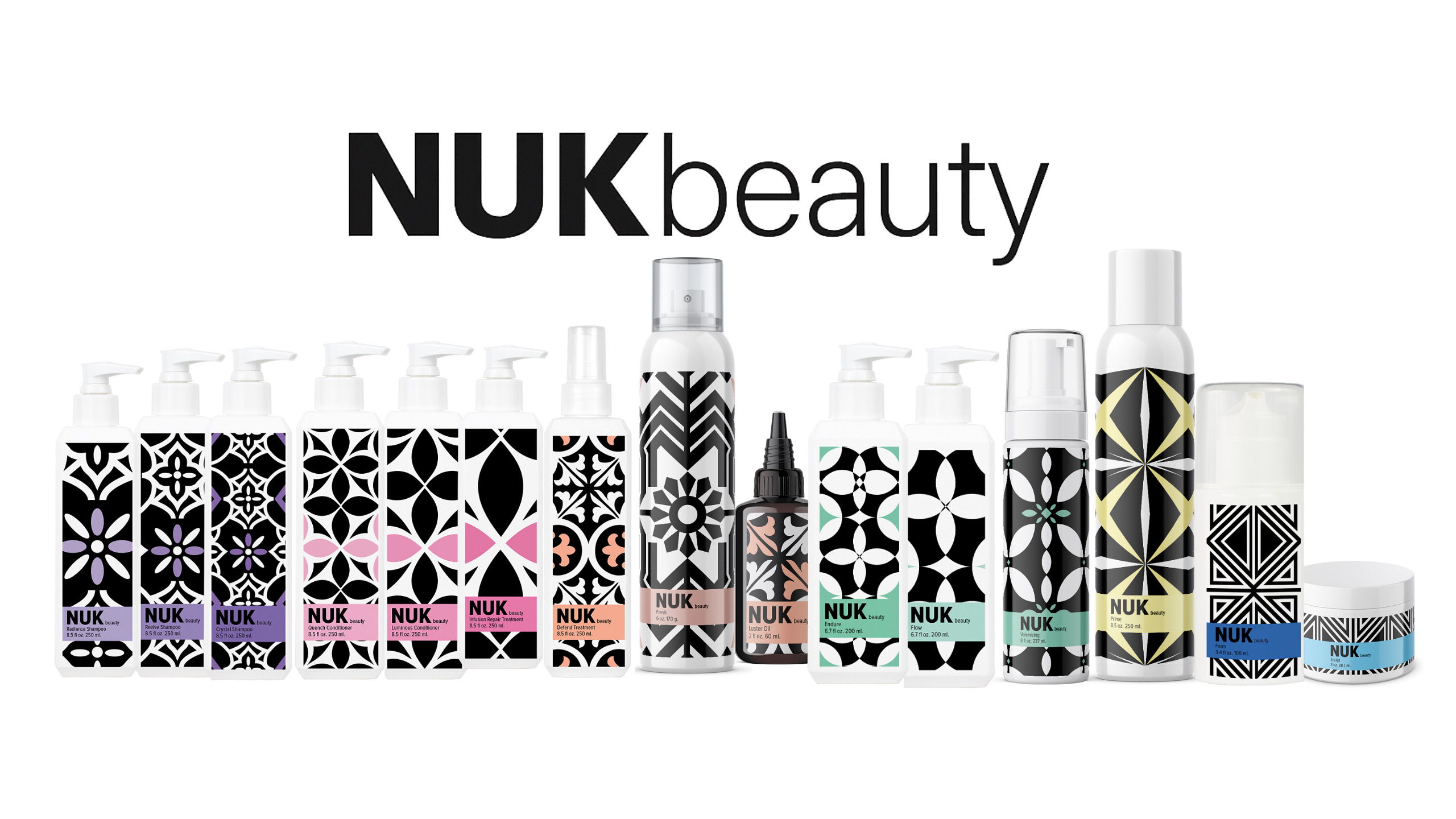
Bleached hair can look bright, expensive, and completely undone by the next wash day. That is because lifting color changes more than your shade - it puts real stress on the hair fiber. The right deep repair treatment for bleached hair is not about coating over the problem until your next shampoo. It is about giving fragile strands the targeted support they need to feel softer, look smoother, and stay more manageable between salon visits.
If your hair feels rough at the ends, stretches more than it used to, tangles easily, or turns fluffy the minute humidity hits, it is asking for more than a basic conditioner. Bleached hair needs a smart routine that balances repair, moisture, and protection. Too much of any one thing can leave it stiff, flat, or still thirsty.
Why Bleached Hair Needs Deeper Repair
Lightener works by opening the cuticle and breaking down natural pigment inside the hair. That process creates the blonde, platinum, or high-lift color you want, but it can also leave the cuticle less smooth and the inner structure less resilient. Hair may lose some of its natural moisture, shine, and ability to handle heat styling or everyday friction.
Damage does not always show up immediately. Sometimes hair looks fine right after a color appointment, then starts feeling dry after a few weeks of hot tools, ponytails, dry shampoo, sun exposure, and regular washing. The ends often reveal the truth first. They snag, split, lose their shape, and refuse to hold a polished style.
A deep treatment helps address the visible signs of that stress. Depending on the formula, it can replenish moisture, help reinforce weakened areas, smooth the surface of the hair, and improve slip so you are not fighting tangles every morning. The goal is not to make heavily processed hair identical to untouched hair. The goal is hair that looks glossy, feels touchable, and behaves like it has a little more life left in it.
What a Deep Repair Treatment for Bleached Hair Should Do
The best treatments make a difference you can feel after rinsing, but their bigger value comes with consistent use. Look for a salon-quality formula designed to condition without relying on a heavy, greasy finish. Bleached hair is often dry, yet it can still become weighed down quickly, especially if it is fine or if you have a lot of highlights rather than an all-over bleach.
A well-rounded repair treatment should support three things: moisture, strength, and surface smoothing. Moisture helps hair feel supple instead of brittle. Strength-focused ingredients can help hair feel less prone to snapping and stretching. Conditioning ingredients smooth the outer layer so light reflects more evenly, which is where that healthy-looking shine comes from.
Clean formulas matter here, too. When hair is already compromised, there is no reason to pile on unnecessary complexity. Choose products with a clear purpose and use them as directed. Haircare that actually works does not need to leave you guessing whether you used enough, used too much, or chose the wrong step altogether.
Repair and moisture are not the same thing
This distinction saves a lot of bleached hair from becoming stiff. Repair-focused formulas are often helpful when hair feels overly stretchy, weak, or prone to breakage. Moisture-focused formulas are especially useful when hair feels dry, coarse, dull, or hard to detangle.
Most bleached hair needs both, but not necessarily in equal amounts every week. If your hair starts feeling hard, straw-like, or less flexible after several strengthening treatments, scale back and add more moisture. If it feels overly soft, limp, or elastic when wet, a strengthening step may be the better move. Your hair's behavior matters more than a rigid schedule.
How to Use a Deep Treatment Without Overdoing It
Start with clean hair. Shampoo thoroughly, focusing on the scalp and roots, then gently squeeze out excess water before applying your treatment through the mid-lengths and ends. Hair that is dripping wet can dilute the formula and make it harder for the treatment to cling where it is needed most.
Use enough product to lightly saturate the damaged areas, but do not assume more is better. Fine, highlighted hair may need a smaller amount than thick, fully bleached hair. Comb through gently with your fingers or a wide-tooth comb to distribute it evenly, then let it sit for the recommended time. Leaving a product on twice as long will not necessarily double the results, and some strengthening treatments can make hair feel rigid when overused.
For most people, once a week is a strong starting point. Hair that is freshly bleached, heavily highlighted, or heat-styled often may benefit from two treatments weekly for a short period. When softness, shine, and manageability improve, shift into maintenance mode. Consistency beats occasional rescue sessions.
After rinsing, handle your hair like it is still in recovery. Pat it dry with a soft towel or T-shirt rather than rubbing. Follow with a leave-in conditioner for slip and softness, then use heat protectant before blow-drying, curling, or straightening. A deep treatment cannot fully cancel out repeated high heat, but it can be part of a routine that keeps damage from snowballing.
Build the Routine Around Your Actual Damage
Bleached hair is not one-size-fits-all. The right routine depends on your texture, density, color service, and styling habits.
If your hair is fine and highlighted, prioritize lightweight hydration and avoid layering rich masks, oils, and creams all at once. Apply treatment mostly from the ears down, then use a small amount of leave-in on the ends. Volume at the roots and softness through the lengths can absolutely coexist.
If your hair is thick, coarse, or fully lightened, you may need more frequent conditioning and more product to achieve even coverage. Divide your hair into sections before applying a treatment. This prevents the outer layer from getting all the attention while the underneath remains dry and tangled.
If brassiness is part of the issue, remember that a purple shampoo is a tone-correcting step, not a repair treatment. It can help keep blonde looking fresh, but some toning shampoos can feel drying when used too often. Alternate them with a gentle, moisturizing wash routine and follow with repair when your hair needs it.
If you swim, spend time in the sun, or use hot tools daily, protection matters just as much as treatment. UV exposure, chlorine, salt water, and heat can make bleached hair look dull and feel rough fast. Treating damage after it happens is helpful. Preventing another round of it is even better.
Signs Your Treatment Is Working
You should not expect a single mask to erase split ends or reverse severe breakage. Split ends need a trim, and hair that is breaking in large amounts may need a pause from further lightening and a professional assessment. Still, the right treatment can create noticeable changes in how your hair looks and behaves.
Expect easier detangling, less roughness through the ends, improved shine, and a smoother blowout. Your hair may also feel more flexible when wet and less likely to puff up after styling. Those are meaningful wins because they make it easier to wear your hair down, brush it gently, and style it without constantly adding more product.
Be cautious of treatments that make hair look good for an hour but leave it coated, flat, or greasy by the next day. Healthy-looking blonde should have movement. It should feel polished without feeling hidden under a film.
The Habits That Protect Your Results
A deep treatment works hardest when the rest of your routine stops undermining it. Turn down your hot tools when possible, and always use heat protection when you cannot. Sleep on a smooth pillowcase or loosely braid longer hair to reduce overnight friction. Detangle from the ends upward, especially when hair is wet and more vulnerable.
It also helps to be honest with your color schedule. Going lighter again before your hair has recovered can turn manageable dryness into breakage. A skilled stylist can help you choose a lower-impact approach, whether that means spacing appointments farther apart, focusing on the root area, or using dimensional color that asks less of your ends.
NUK Beauty was built from a stylist's belief that salon-quality haircare should deliver visible results without unnecessary fuss. For bleached hair, that means choosing targeted care, using it consistently, and refusing to settle for products that only make promises on the label.
Your blonde does not have to be perfectly untouched to look beautiful. Give it the right repair, protect it from the next stressor, and let healthy shine become part of the color story.


Comments