
Is Salon Shampoo Worth It for Your Hair?
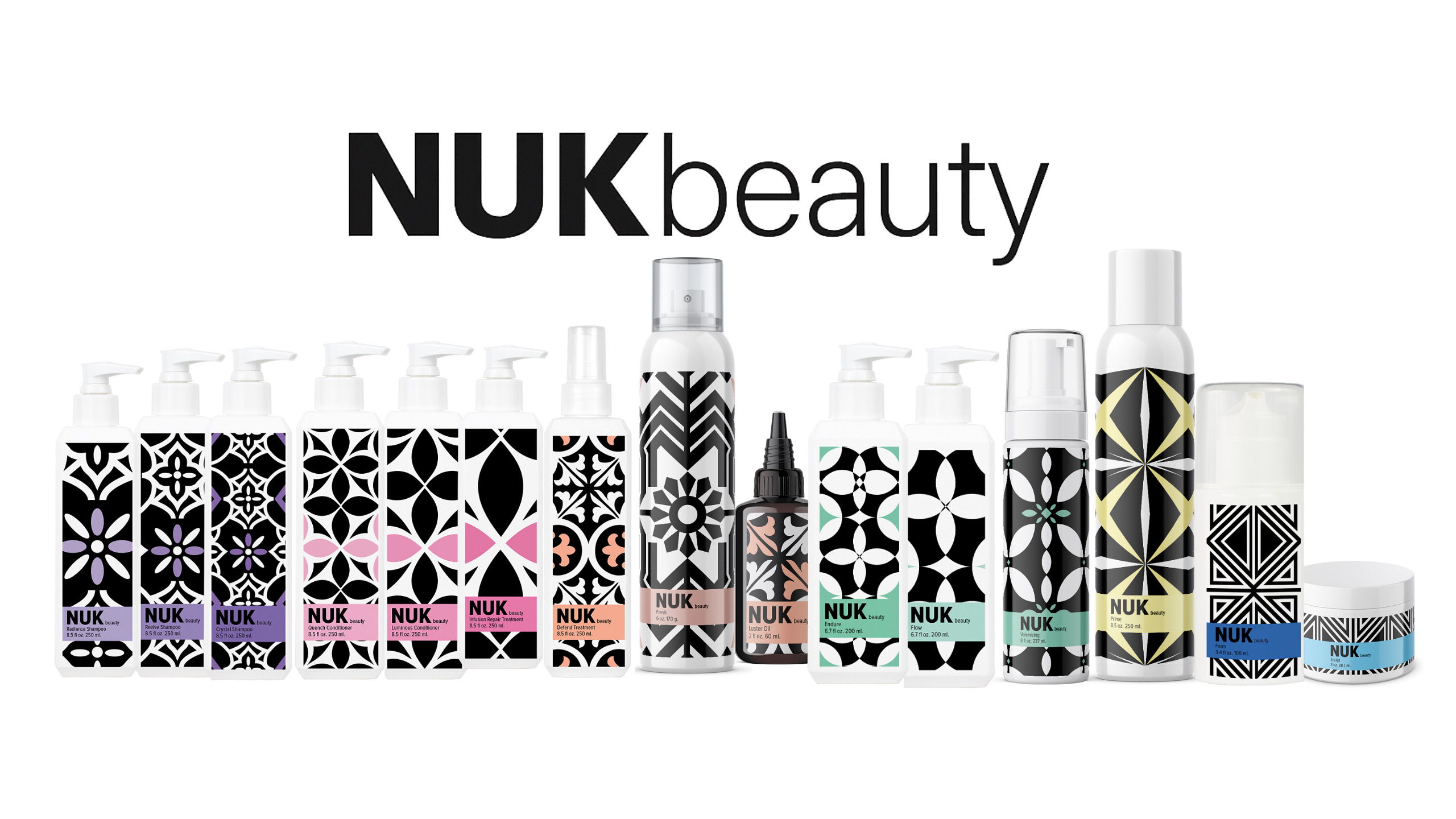
Your hair can tell when a shampoo is only doing the bare minimum. It may feel squeaky clean in the shower, then look flat, dry, frizzy, or greasy again by the next morning. So, is salon shampoo worth it? For many people, yes - but not because an elevated bottle automatically delivers elevated hair. It is worth it when the formula is designed for your real concern and performs better, wash after wash.
The goal is not to spend more for the sake of it. The goal is to stop buying products that leave your hair looking exactly the same.
Is salon shampoo worth it when the price is higher?
Salon shampoo earns its price when it delivers a noticeable difference in how your hair behaves: softer lengths, a calmer scalp, longer-lasting color, less frizz, more shine, or a cleaner feel without stripping. Professional formulas are typically developed to support specific hair needs rather than trying to be one generic solution for everyone.
That matters because hair that is dry does not need the same wash routine as hair that gets oily at the roots. Fine hair needs lift without a heavy finish. Color-treated hair needs a formula that respects the investment you made in the salon. Damaged hair needs cleansing that does not make already-fragile strands feel rougher.
The difference often comes down to formulation choices. A well-made salon shampoo balances cleansing agents with conditioning ingredients and targeted benefits. It is designed to remove buildup, oil, and environmental residue while helping hair stay manageable. Many lower-priced shampoos can certainly cleanse, but some rely on harsher cleansing or heavy cosmetic ingredients that create a quick smooth feeling without truly supporting the hair's condition.
That said, price alone is not proof of quality. A costly shampoo that is wrong for your hair can still leave you disappointed. A professional formula is an investment only when it is the right formula.
What you are actually paying for
A salon-quality shampoo should be more than pretty packaging and a luxury fragrance. You are paying for thoughtful performance: how it cleanses, what it leaves behind, how it works with your conditioner and styling products, and whether your hair looks better after consistent use.
Professional haircare also tends to be more concentrated. You may need less product per wash than you would with a thin, overly diluted formula. That does not make every salon shampoo a bargain, but it changes the cost-per-use conversation. A bottle that lasts for months and helps prevent dry, brittle hair from needing constant rescue products can be a smarter purchase than a cheaper shampoo you use too quickly and do not enjoy.
There is also the value of targeted care. If humidity turns your hair into a frizzy cloud, if bleach has left your ends feeling fragile, or if brassiness shows up a few weeks after color, a formula built for that concern can simplify your routine. Instead of layering several products that compete with each other, start with a wash step that supports your desired result.
Clean ingredients can be part of that value, but they are not the whole story. Clean haircare should still work. The standard is not simply what a formula leaves out. It is whether the finished product gives you healthy-looking, touchable, manageable hair.
When salon shampoo makes the biggest difference
If your hair is healthy, untreated, and easy to manage, you may not notice a dramatic change from switching shampoos. You can still enjoy the experience, but the payoff may be subtle. Salon shampoo tends to make the most visible difference when hair has a recurring concern that a basic wash is not solving.
It is often worth considering if you are dealing with:
Dryness, rough texture, or ends that feel thirsty no matter how much conditioner you use
Color fading quickly, unwanted warm tones, or hair that looks dull after coloring
Frizz, humidity-driven puffiness, or hair that loses its shape as the day goes on
Fine hair that becomes limp, oily, or weighed down after washing
Heat damage from blow-drying, hot tools, or frequent styling
These are not just cosmetic frustrations. They are signs that your wash routine may be out of sync with your hair. The right shampoo will not erase split ends or reverse severe breakage overnight, but it can improve the daily conditions that make hair look and feel compromised.
The salon shampoo mistake that wastes money
The biggest mistake is choosing shampoo based on what you wish your hair were instead of what it is right now.
For example, someone with fine, oily roots may buy an intensely moisturizing shampoo because the ends feel dry. The result can be flatter roots and more frequent washing. Someone with coarse, dry hair may choose a clarifying formula every day because they want a fresher scalp. The result can be more dryness, more frizz, and less shine.
Think of your scalp and lengths as separate needs. Your scalp needs the right level of cleansing. Your mid-lengths and ends need the right level of moisture, conditioning, and protection. If your roots get oily but your ends are dry, focus your shampoo on scalp balance and use a richer conditioner or treatment through the lengths. If your hair is heavily color-treated, choose color-conscious cleansing and add repair support where damage is most visible.
You also do not need to use the same shampoo forever. Seasonal shifts, a new color service, hard water, travel, hormones, and styling habits can all change what your hair needs. A routine that worked perfectly last year may not be the best fit now.
How to choose a formula that performs
Start with the concern you want to improve most. Not five concerns. One primary concern. Is your hair dry and dull? Is it oily and flat? Is it colored and brassy? Is it frizzy after every blowout? A clear answer makes choosing easier and keeps your routine focused.
Next, consider your hair's density, texture, and chemical history. Fine hair usually needs lightweight hydration and volume-friendly cleansing. Thick or coarse hair often benefits from more moisture and smoothing support. Bleached, highlighted, relaxed, or frequently heat-styled hair needs gentler care and a routine that prioritizes strength and softness.
Then pay attention to the results after several washes, not one. A good shampoo should leave your scalp comfortable, your roots clean, and your lengths easier to style. You should not need excessive dry shampoo by day two because your roots feel coated, nor should you need a mountain of leave-in product because your ends feel stripped.
At NUK Beauty, this is the standard behind concern-led haircare: choose for the result you want, then use the formula consistently enough to let it do its job. Gorgeous hair is not about a complicated shelf full of random bottles. It is about choosing products with a purpose.
Get more from the shampoo you already own
Even an excellent salon shampoo can underperform if you use it like a quick rinse. Thoroughly saturate your hair before applying product, then concentrate shampoo on your scalp. That is where oil, sweat, styling residue, and buildup collect. Massage gently with your fingertips, adding a little water to help distribute the formula.
Let the suds move through the lengths as you rinse rather than aggressively scrubbing the ends. Those ends are older, more porous, and usually more vulnerable to dryness. Follow with a conditioner selected for your lengths, and use a treatment when your hair needs extra repair or moisture.
If you wash only once a week, use a lot of styling products, or live with hard water, a second shampoo can be useful. The first wash breaks up buildup. The second gives your treatment shampoo a better chance to work. If you wash daily or have a sensitive, dry scalp, one gentle wash may be all you need.
The best shampoo is not the one with the highest price tag or the loudest promise. It is the one that makes your hair easier to live with: cleaner at the roots, softer through the ends, smoother in humidity, and more confident in the mirror. Choose for your concern, use it with intention, and let your results decide what is worth keeping.


Comments