
How to Add Volume to Fine Hair That Lasts
Fine hair can look freshly styled for exactly 20 minutes, then suddenly fall flat at the roots. The good news is that learning how to add volume to fine hair is less about using more product and more about using the right formulas, placement, and styling technique. Fine hair needs lift without residue, softness without collapse, and hold that still lets hair move.
The goal is not stiff, overly teased hair. It is fuller-looking hair with clean roots, flexible body, and shine that does not turn into heaviness by lunchtime.
Start With a Volume-Friendly Wash Routine
Volume starts in the shower. If your shampoo leaves a coating behind or your conditioner is too rich for your texture, no amount of blow-drying will give you lasting lift. Fine hair is especially quick to reveal buildup because there is simply less density to disguise it.
Choose a shampoo designed to cleanse the scalp thoroughly while keeping lengths soft and manageable. The scalp matters here. Oil, dry shampoo residue, heavy styling products, and even excess conditioner can weigh down the root area and make hair appear flatter than it actually is.
Wash as often as your scalp needs. The old advice to stretch every wash does not work for everyone, especially if your roots get oily quickly. Clean hair often has more natural lift than hair that has been pushed one day too far. If you prefer to wash less frequently, use a lightweight dry shampoo at the first sign of oil rather than waiting until roots are visibly slick.
Conditioner is still essential, but placement makes the difference. Apply it from the mid-lengths through the ends, where fine hair needs slip and protection most. Keep it away from the scalp and rinse thoroughly. Your hair should feel smooth, not coated.
Once or twice a month, use a clarifying wash if you regularly use dry shampoo, hairspray, oils, or styling creams. Just do not overdo it. Too much clarifying can leave hair dry, which may create temporary texture but does not create healthy-looking volume.
How to Add Volume to Fine Hair at the Roots
The root is where volume either happens or disappears. Applying volumizing product everywhere can make fine hair feel sticky or stiff, so concentrate your effort where it counts.
After towel-drying, apply a lightweight volumizing foam or mousse directly at the roots in sections. Focus on the crown, part line, and the areas around the face that tend to collapse first. Use your fingertips to work the product in lightly rather than saturating the hair shaft.
If you use a leave-in conditioner or heat protectant, choose a fine mist or lightweight formula and keep it mostly on the mid-lengths and ends. Fine hair can absolutely benefit from moisture and heat protection, but creamy products applied too close to the scalp are a common reason volume disappears before the day even begins.
A small change in your part can also create immediate lift. Hair naturally settles flat along the same part line over time. Switch your part to the opposite side while blow-drying, then move it back once hair is cool. You get a little extra root direction without making your style look dramatically different.
Blow-Dry for Lift, Not Just Dryness
Air-drying may be convenient, but if volume is your priority, a targeted blow-dry is usually worth the extra few minutes. Fine hair takes shape as it dries. When roots dry flat against the scalp, that is the position they tend to remember.
Start by rough-drying until hair is about 70 to 80 percent dry. Flip your head forward briefly or direct the airflow against your natural growth pattern to encourage the roots to lift. Keep the dryer moving and use moderate heat to protect fragile strands.
Then work in sections with a round brush. Lift each section up and away from the scalp as you dry the root area first. You do not need to create a dramatic salon blowout on every strand. Even a few well-directed sections at the crown can change the overall shape of your hair.
For more polished volume, place a medium round brush at the root, pull the section upward, and aim the dryer down the hair shaft. This smooths the cuticle while creating lift. Finish each section with a cool shot before releasing it. That cooling step helps set the shape, which means less reliance on heavy finishing products later.
Velcro rollers can be a smart add-on for fine hair, particularly at the crown and around the face. Set them into warm, nearly dry hair, let them cool completely, and remove them gently. The result is often more lasting body than a curling iron alone.
Choose Styling Products With a Light Hand
Fine hair does not need to be product-free. It needs a more edited product wardrobe. The right formula gives your hair grip, fullness, and polish. The wrong combination leaves it limp, dull, or greasy.
A volumizing foam is often the best first styling product because it adds body without the dense feel of many creams. A dry texturizing product can add airy fullness after styling, especially through the crown and mid-lengths. A flexible-hold hairspray can help preserve the finish without turning hair into a helmet.
Use hair oil carefully. A tiny amount on dry ends can add shine and reduce flyaways, but it is not the product to use when you want body at the root. The same goes for rich masks and smoothing creams. They have a place for dry or damaged fine hair, but they should be used strategically and mostly from the ears down.
If your fine hair is also frizzy, do not reach for the heaviest anti-frizz product you can find. Frizz control and volume can coexist when you use a lightweight heat protectant, dry hair fully, and apply a small amount of smoothing product only where needed. The goal is controlled texture, not flattened texture.
Build Fullness With the Right Cut and Color
Styling can do a lot, but your haircut sets the foundation. Fine hair often looks fuller with a blunt or softly textured perimeter because wispy, heavily layered ends can make density look thinner. That does not mean layers are always off limits. Soft, strategic face-framing layers can add movement, while too many short layers may leave the ends looking sparse.
If you love longer hair, ask for a shape that preserves density through the bottom. If you prefer a bob or lob, a clean, fuller baseline can create the appearance of thicker hair instantly. Your stylist can tailor the balance based on whether your hair is fine and dense, fine and low-density, straight, wavy, or color-treated.
Color can create dimension, too. Thoughtful highlights, lowlights, or a subtle gloss can make fine hair appear more textured and visually full. But overprocessing can make delicate hair more fragile, so healthy hair must stay the priority. Shine makes hair look expensive. Breakage makes it look thinner.
Avoid the Habits That Flatten Fine Hair
Sometimes volume is lost before styling begins. Brushing aggressively when wet can stretch fragile strands and lead to breakage, especially around the hairline. Instead, detangle gently with a wide-tooth comb or a brush made for wet hair, starting at the ends and working upward.
Avoid repeatedly touching your roots throughout the day. Hands transfer oil and can break apart the lift you created. If your hair tends to flatten under hats, humidity, or a long commute, carry a small amount of dry shampoo or texturizing product and refresh only the root areas that need it.
Sleeping with damp hair is another volume killer. Hair can dry compressed against the scalp, and fine strands may look uneven or oily by morning. If you shower at night, dry the roots fully before bed. A loose, high ponytail or soft topknot can help preserve body overnight, as long as it is not tight enough to create tension or creases.
Make Volume Part of Your Hair Health Plan
Lasting volume looks best on hair that is healthy enough to hold a style. Fine hair is often more vulnerable to heat damage, breakage, and overuse of strong cleansing products. Protect it before heat styling, keep hot tools at a sensible temperature, and schedule regular trims to prevent thin, frayed ends from taking over your shape.
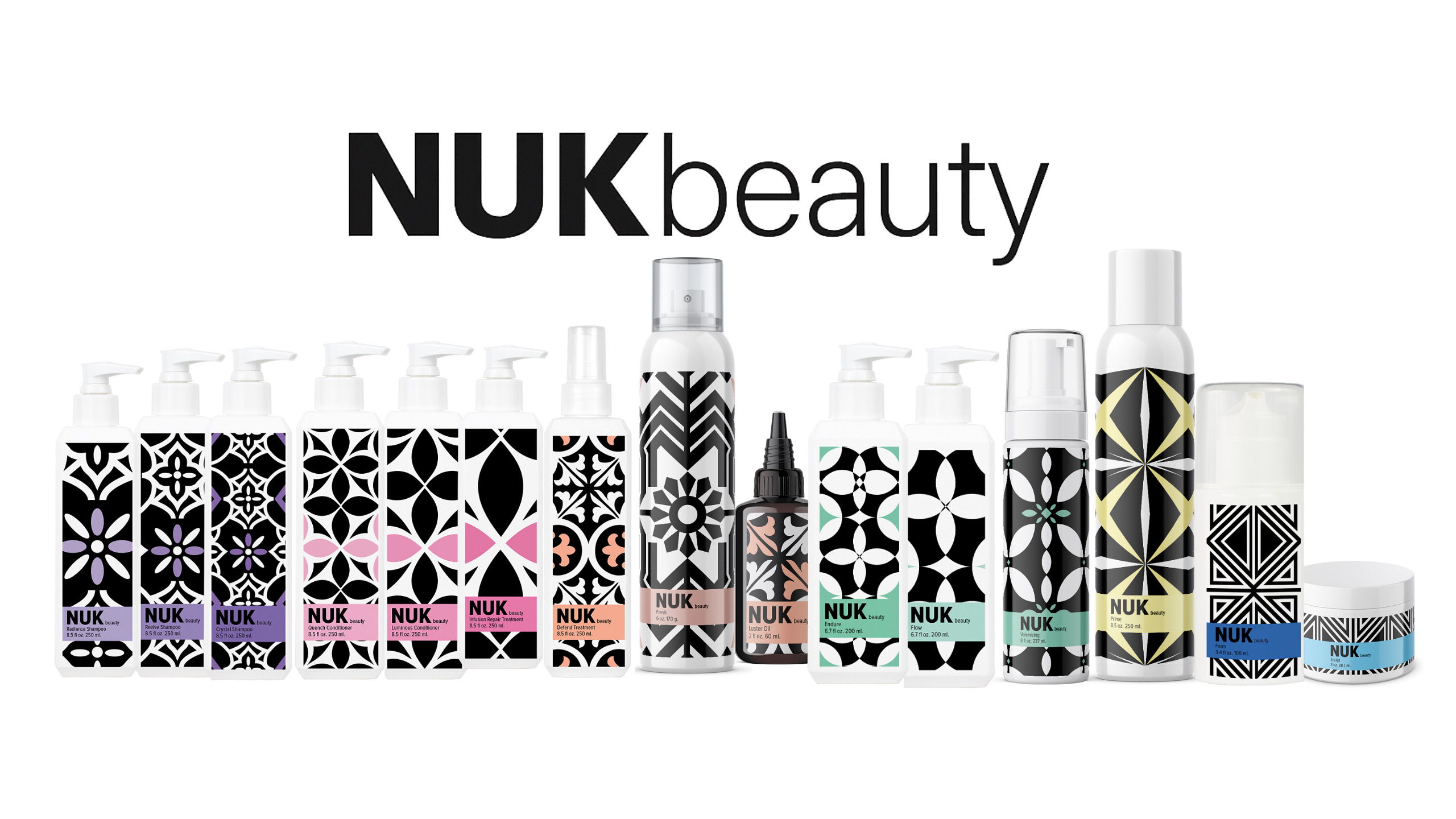
NUK Beauty approaches fine hair the way a stylist does: with targeted, clean-performing formulas that support visible results without loading hair down. The best routine is not the one with the most steps. It is the one that leaves your roots fresh, your lengths protected, and your hair looking like it has more of itself.
Give your hair a few washes to adjust when you change your routine. With clean roots, lightweight support, and intentional drying, fine hair can hold the kind of soft, confident volume that looks effortless because it is built correctly.


Comments