
Purple Shampoo for Brassy Hair That Works
You know the moment. Your blonde looked fresh, expensive, and clean a week ago - then the yellow starts creeping in under bathroom lighting, sunlight, or a quick selfie. Purple shampoo for brassy hair is the go-to fix because it helps neutralize those warm, unwanted tones before they take over your color.
But here’s the part many people miss: not all brassiness is the same, and not every purple shampoo should be used the same way. If your hair feels dry, over-processed, or oddly dull after toning, the issue may not be the idea of purple shampoo. It may be how often you’re using it, how long you’re leaving it on, or whether your hair actually needs a different kind of support alongside toning.
What purple shampoo for brassy hair actually does
Purple shampoo works on a simple color principle. Purple sits opposite yellow on the color wheel, so violet pigment helps counter yellow and golden brassiness in blonde, highlighted, silver, and lightened hair.
That’s the benefit people notice first - hair looks cooler, brighter, and more polished. A good formula can make the difference between blonde that looks salon-fresh and blonde that reads faded.
But purple shampoo is a tone corrector, not a full color reset. If your hair is pulling orange instead of yellow, purple may not be strong enough on its own. Orange usually needs blue-based correction, especially on darker blondes or light brown hair with highlights. That distinction matters, because using the wrong pigment can leave you wondering why your hair still looks warm.
Why brassy hair happens in the first place
Brassiness is incredibly common, especially if your hair is lightened. Bleach and color services expose the underlying warm pigments in the hair, and over time those tones can resurface. Hard water, heat styling, UV exposure, mineral buildup, and even certain styling products can make warmth show up faster.
That’s why purple shampoo helps, but it rarely works best as a standalone fix. If your blonde keeps turning brassy within days, there may be buildup sitting on the hair or damage making the cuticle rough enough to reflect color unevenly.
Healthy-looking blonde is not just about tone. It’s also about condition. Hair that’s hydrated, smoother, and better protected tends to hold that fresh, glossy finish longer.
How to use purple shampoo without overdoing it
This is where results can go very right or very wrong. Purple shampoo is effective because it deposits pigment, but too much pigment or too much frequency can leave hair looking flat, smoky, or slightly muddy.
If your brassiness is mild, start by using purple shampoo once a week. That is enough for many blondes to maintain brightness without over-toning. If your hair gets warm quickly, you may need it twice a week, especially after a fresh lightening service starts to fade.
Work it through wet hair evenly, focusing on the areas that go warm fastest. Usually that’s around the face, the crown, and the most porous ends. Let it sit for a short window first - around 2 to 5 minutes is a smart starting point. You can always increase time later if needed.
Leaving it on too long does not automatically mean better toning. Porous hair grabs pigment faster, which means the lightest pieces can turn dull or lavender before the rest of your hair catches up. If your ends are very processed, apply with a lighter hand there or save them for the final minute.
How often should you use purple shampoo for brassy hair?
It depends on your hair color, porosity, and routine. Bright platinum, icy blonde, gray, and silver hair usually show yellow tones faster, so they often benefit from more regular toning. Beige blonde or warmer blondes may only need occasional use to stay balanced.
Your environment matters too. If you swim often, heat style daily, or wash with hard water, brassiness tends to build faster. In those cases, a purple shampoo schedule may need more consistency.
The best rule is simple: use it as maintenance, not damage control. Once your hair is obviously very brassy, one wash will help, but it may not completely reset the tone. Steady upkeep gives you a cleaner, more expensive-looking blonde with less effort.
What to expect after one wash
A quality purple shampoo should make hair look less yellow and more refined after the first use. The shift may be subtle or dramatic depending on how light your hair is and how much brassiness is present.
What it should not do is make your hair feel stripped. If your toning shampoo leaves your hair rough, tangled, or dry every time, that formula may be too harsh for regular use. Blonde hair is already vulnerable, and anything that corrects tone while compromising softness will eventually work against your overall result.
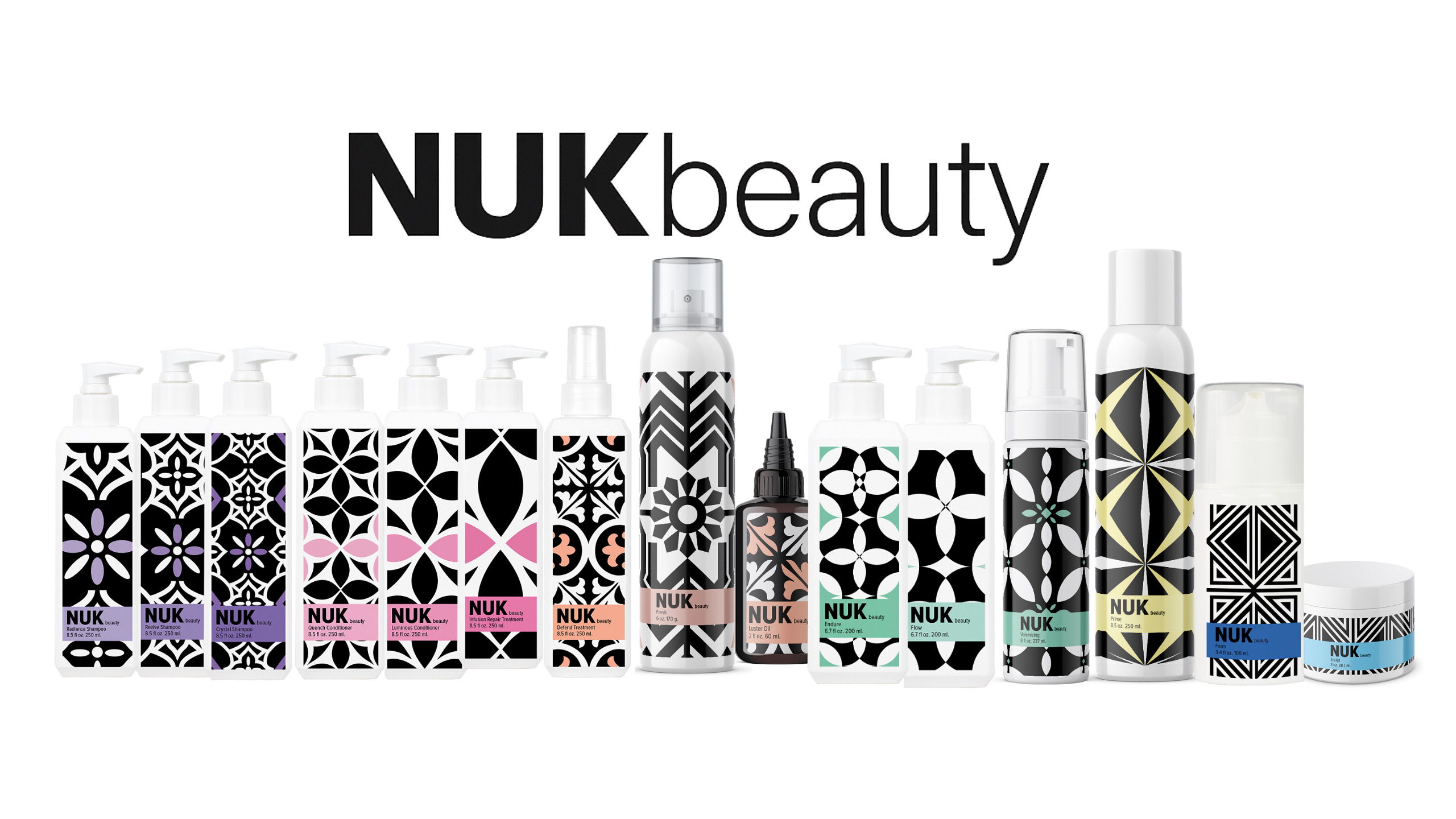
That’s why salon-level care matters. Clean, performance-driven formulas are worth paying attention to because they aim to balance pigment with a better hair feel. NUK Beauty’s approach to concern-based haircare makes sense here - brassiness is one problem, but brassiness plus dryness is the real-life version most people are actually dealing with.
Common mistakes that make blonde look worse
The biggest mistake is using purple shampoo like your daily shampoo. For most people, it is not meant to replace every wash. Overuse can leave hair looking ashy in the wrong way - not bright, just muted.
Another common issue is uneven application. If the shampoo sits heavier on the front pieces or ends, those spots can turn cooler much faster than the rest of the hair. Work quickly and distribute it well.
There’s also the mistake of expecting purple shampoo to fix everything. If your hair looks brassy because of mineral buildup, a clarifying step may be needed first. If your blonde looks dull because it is dry and damaged, you need hydration and repair too. Toning is only one piece of the result.
Finally, don’t ignore heat protection. Hot tools can accelerate fading and expose warmth faster than you think. If you’re serious about keeping your blonde clean-looking, protecting it from heat is not optional.
Purple shampoo and dry or damaged hair
Blonde hair often needs a little strategy. You want the brightness of a purple shampoo, but you also need softness, shine, and strength. That means spacing out your toning washes with hydrating shampoos, conditioners, masks, and leave-ins that support the hair between pigment deposits.
If your hair is damaged, start conservatively. Use purple shampoo less often and follow it with a rich conditioner or treatment. That helps prevent the cycle where hair gets brassier, you tone more aggressively, and the hair becomes drier and more porous, which then makes color look worse again.
For highlighted or bleached hair, consistency usually wins over intensity. One well-timed purple wash paired with moisture and protection often gives better long-term results than trying to force an icy finish out of every shower.
When purple shampoo is not enough
There are times when your hair needs more than at-home maintenance. If brassiness is intense, patchy, or turning orange, you may need a toner service, gloss, or a different corrective product. Purple shampoo is excellent for upkeep, but it has limits.
You may also need a stronger plan if your water is affecting your color. Hard water minerals can cling to the hair and distort tone. In that case, no amount of purple pigment will fully fix what buildup is causing.
And if your blonde has become dull instead of yellow, the issue may be shine, not brass. A smoother cuticle, less buildup, and more hydration can sometimes improve the look of your color more than extra toning.
How to keep blonde brighter between washes
The best blonde routines are not complicated, but they are intentional. Use purple shampoo when your tone needs correction, not just because the bottle is there. Keep your hair moisturized, use heat protection, and pay attention to what your water, tools, and environment are doing to your color.
Small choices add up. Lukewarm water helps more than hot water. A leave-in can reduce roughness and keep lightened ends smoother. A good hair oil can add shine so your blonde looks expensive instead of thirsty.
Blonde always looks best when tone and condition are working together. Purple shampoo can absolutely keep brassy hair in check, but the strongest result comes from treating your color like part of your hair health, not separate from it.
If your blonde has lost that fresh-from-the-salon look, don’t assume you need a dramatic fix. Sometimes the right purple shampoo, used at the right time, is exactly what brings it back.


Comments