
How to Protect Hair From Heat Without Losing Style
That fresh blowout feeling should not come with brittle ends, dull color, or frizz that shows up two days later. Learning how to protect hair from heat lets you keep your favorite polished styles while treating your hair like the investment it is. The goal is not to swear off your dryer, curling iron, or flat iron forever. It is to use them with the same strategy a great stylist would.
Heat styling changes hair fast because it removes moisture fast. A blow-dryer can rough up the cuticle when it is held too close, while hot tools can weaken already-dry areas with every pass. The good news: most heat damage is preventable. A few better choices before and during styling can make the difference between hair that looks temporarily sleek and hair that stays healthy, shiny, and manageable.
How to protect hair from heat before you style
Heat protection starts before you plug anything in. Hair that is dehydrated, overprocessed, or tangled is more vulnerable to high temperatures, so your wash-day routine matters. Use a shampoo and conditioner that support your current concern, whether that is dryness, color care, frizz, or breakage. Clean formulas still need to perform - soft, conditioned hair has a better chance of handling styling stress without feeling coated or weighed down.
After washing, do not attack dripping-wet hair with a brush or crank your dryer to its hottest setting. Gently squeeze out excess water with a soft towel or T-shirt, then detangle from the ends upward with a wide-tooth comb or flexible detangling brush. This reduces the pulling that can make fragile, wet hair snap before heat even enters the picture.
Next comes your non-negotiable step: apply a heat protectant to damp hair before blow-drying. Work in sections so the product reaches the mid-lengths and ends, not just the top layer. Fine hair usually does best with a lightweight mist or leave-in spray. Thick, coarse, curly, or very dry hair may need a richer leave-in conditioner or cream underneath its heat protectant for added slip and moisture.
Use enough product to get even coverage, but do not drench your hair. Too little leaves unprotected spots; too much can make hair feel heavy and encourage you to turn up the heat to force a style into place. Start with the recommended amount, then adjust for your hair’s density and length.
Choose a temperature your hair can handle
More heat does not mean better styling. It usually means a faster route to dryness, fading, and breakage. The best temperature depends on your hair’s condition, texture, and color history.
Fine, highlighted, bleached, or fragile hair should stay at the low end whenever possible, generally around 250 to 325°F for hot tools. Healthy medium-texture hair can often style effectively between 325 and 375°F. Very coarse or resistant hair may need more heat, but jumping straight to the highest setting is rarely the answer. Begin lower, test one small section, and increase only if your hair truly needs it.
If your flat iron has one setting and it is scorching hot, it is not giving you control. Adjustable tools are worth it because they let you match the temperature to your hair instead of forcing your hair to survive the tool.
Hair should also be completely dry before you use a curling iron or flat iron. That sizzle is not a sign that the product is working. It can mean water inside the strand is rapidly heating, which puts stress on the hair fiber. If you are short on time, choose a low bun, braid, or air-dried texture day rather than rushing a hot tool over damp sections.
Make your blow-dry work smarter
A blowout is often the foundation for every other style, so this is where better technique pays off. Start by rough-drying on low or medium heat until your hair is about 70 to 80 percent dry. Keep the dryer moving and aim the airflow down the hair shaft, from roots toward ends. This helps smooth the cuticle instead of blasting it in every direction.
Once you begin using a round brush, work in manageable sections. A section that is too large takes too long to dry, which means repeated heat exposure. Keep the nozzle a few inches away from the brush and hair rather than pressing it directly against the strand. Finish each section with a cool shot to help set the shape and boost that sleek, reflective finish.
If you blow-dry frequently, look at the tool itself. A dryer with multiple heat and speed settings gives you options. High airflow at moderate heat is often more effective than intense heat with weak airflow. You are drying the hair efficiently, not cooking it into submission.
Use hot tools with fewer passes
The most common styling mistake is going over the same section again and again. When a flat iron is at the right temperature and the hair is properly prepped, one slow, steady pass should do most of the work. Two passes may be reasonable for stubborn texture. Five or six passes is a sign to reassess your temperature, section size, tool quality, or prep products.
For curling, let the tool do the work without clamping hair tightly for too long. Smaller sections create more defined curls at a lower temperature, while oversized sections tempt you to hold the iron in place longer. If your goal is loose waves, try using a larger barrel on a moderate setting rather than compensating with extreme heat.
Do not rely on hot tools to fix every imperfect strand. A little texture is normal. Chasing pin-straight hair or identical curls can turn a quick style into cumulative damage. A flexible styling cream, anti-frizz spray, or small amount of hair oil on the ends can polish the finish without another round of heat.
Protect color, ends, and high-stress areas
Color-treated hair needs extra attention because lightening and chemical processing can leave the cuticle more porous. Heat can make brassiness, fading, and dryness appear sooner, especially around the face and on the ends. Keep the temperature conservative, condition consistently, and use targeted repair treatments when your hair begins to feel rough or less elastic.
Your ends are also the oldest part of your hair, which means they have lived through the most brushing, washing, coloring, sun exposure, and styling. Before drying or using a hot tool, make sure your protectant and leave-in products reach the ends. After styling, a small amount of lightweight oil can add shine and reduce the dry, fuzzy look that makes people reach for the flat iron again.
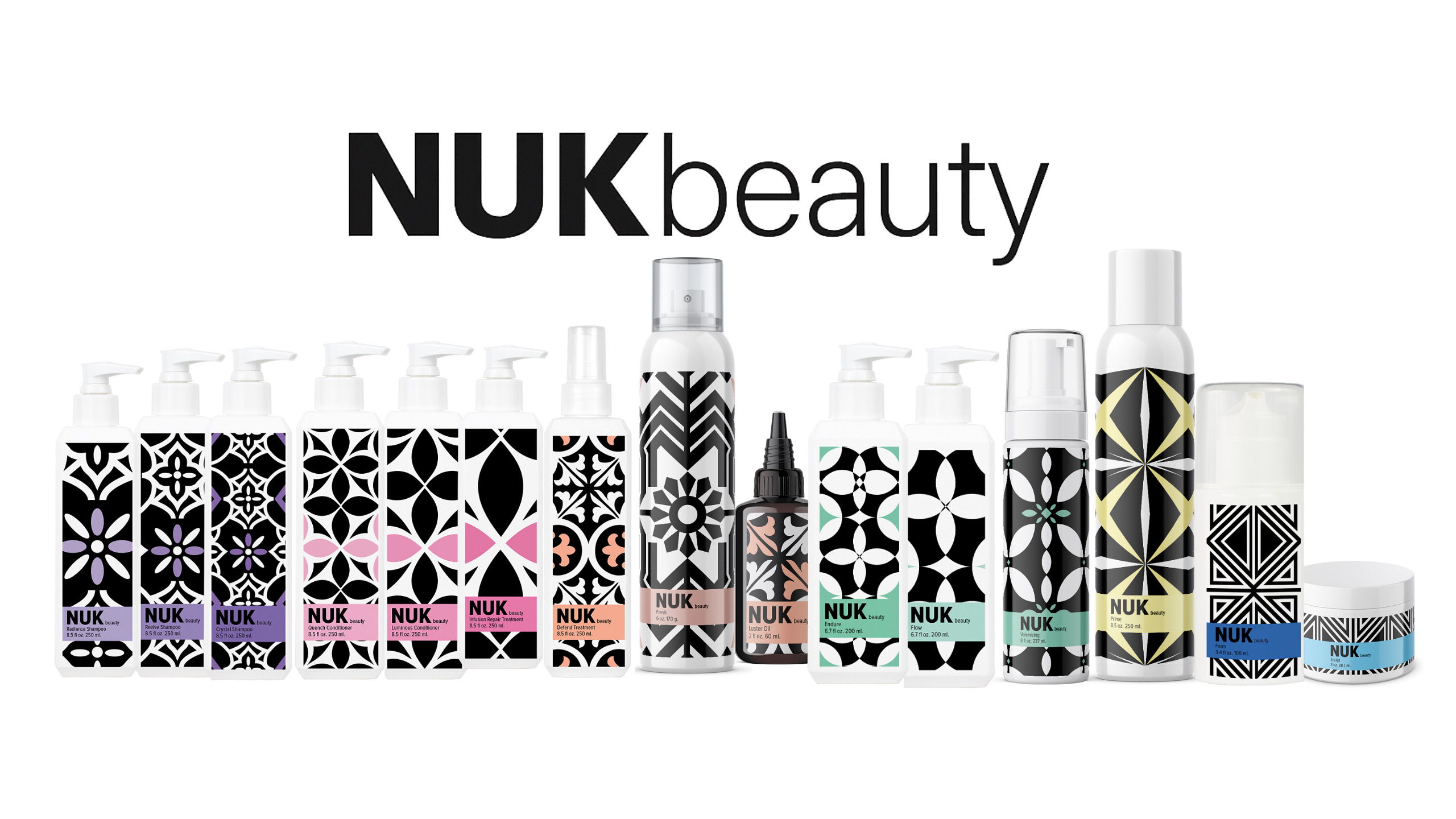
At NUK Beauty, the approach is simple: clean ingredients in, gorgeous hair out. That means choosing products for the result you need, then pairing them with habits that keep your hair looking good long after styling day.
Give your hair recovery days
Even excellent heat protection does not make high heat risk-free. Think of protectant as a performance layer, not permission to style at maximum temperature every day. If you heat-style several times a week, build in lower-heat or no-heat days between blowouts and hot-tool sessions.
Try extending a blowout with dry shampoo at the roots, a loose overnight braid, or a silk or satin pillowcase that creates less friction while you sleep. On non-heat days, use a nourishing mask or deep repair treatment based on what your hair needs. Protein-focused repair can be helpful for hair that feels weak or overly stretchy, while moisture-rich care is better for hair that feels coarse, stiff, or thirsty. If your hair is both damaged and dry, alternate rather than piling on every treatment at once.
Watch for the signs that your routine needs a reset: ends that split quickly, hair that feels crunchy after styling, more breakage around the crown, loss of curl pattern, or color that looks dull even after washing. A trim can remove damage that cannot be repaired, while a gentler styling schedule prevents new damage from taking its place.
Great hair is not about avoiding every source of heat. It is about getting the style you want with the least amount of stress possible. Prep well, use a protectant every time, turn the temperature down, and let healthy-looking hair be the standard - not just hair that looks good for one night.


Comments