How to Use Leave In Conditioner the Right Way
That soft, glossy, just-left-the-salon finish rarely comes from one product alone. Knowing how to use leave in conditioner can make the difference between hair that feels hydrated and manageable and hair that looks flat, greasy, or weighed down. The goal is not to coat your strands in product. It is to give them the right level of moisture, slip, protection, and polish for what they need that day.
Leave-in conditioner earns its place because it keeps working after wash day. Unlike rinse-out conditioner, it stays on the hair to help smooth the cuticle, reduce tangles, soften dry lengths, and make styling easier. The right formula can also support better-looking hair between trims by helping reduce the friction that leads to roughness and breakage.
What Leave-In Conditioner Actually Does
Think of leave-in conditioner as your hair’s support system after the shower. It adds lightweight moisture to damp hair, improves comb-through, and helps create a smoother surface before you blow-dry, diffuse, air-dry, or style.
For dry, damaged, color-treated, or frizz-prone hair, a leave-in can make hair feel noticeably more flexible and polished. For fine hair, it can deliver softness and detangling without relying on heavy creams or oils that can collapse volume. The best result comes from matching the texture and amount of product to your hair, not from using more.
It is also worth being clear about what a leave-in conditioner does not do. It is not a replacement for a weekly repair treatment if your hair is seriously compromised, and it is not automatically a heat protectant unless the formula specifically says it provides heat protection. Layer your products with purpose.
How to Use Leave In Conditioner Step by Step
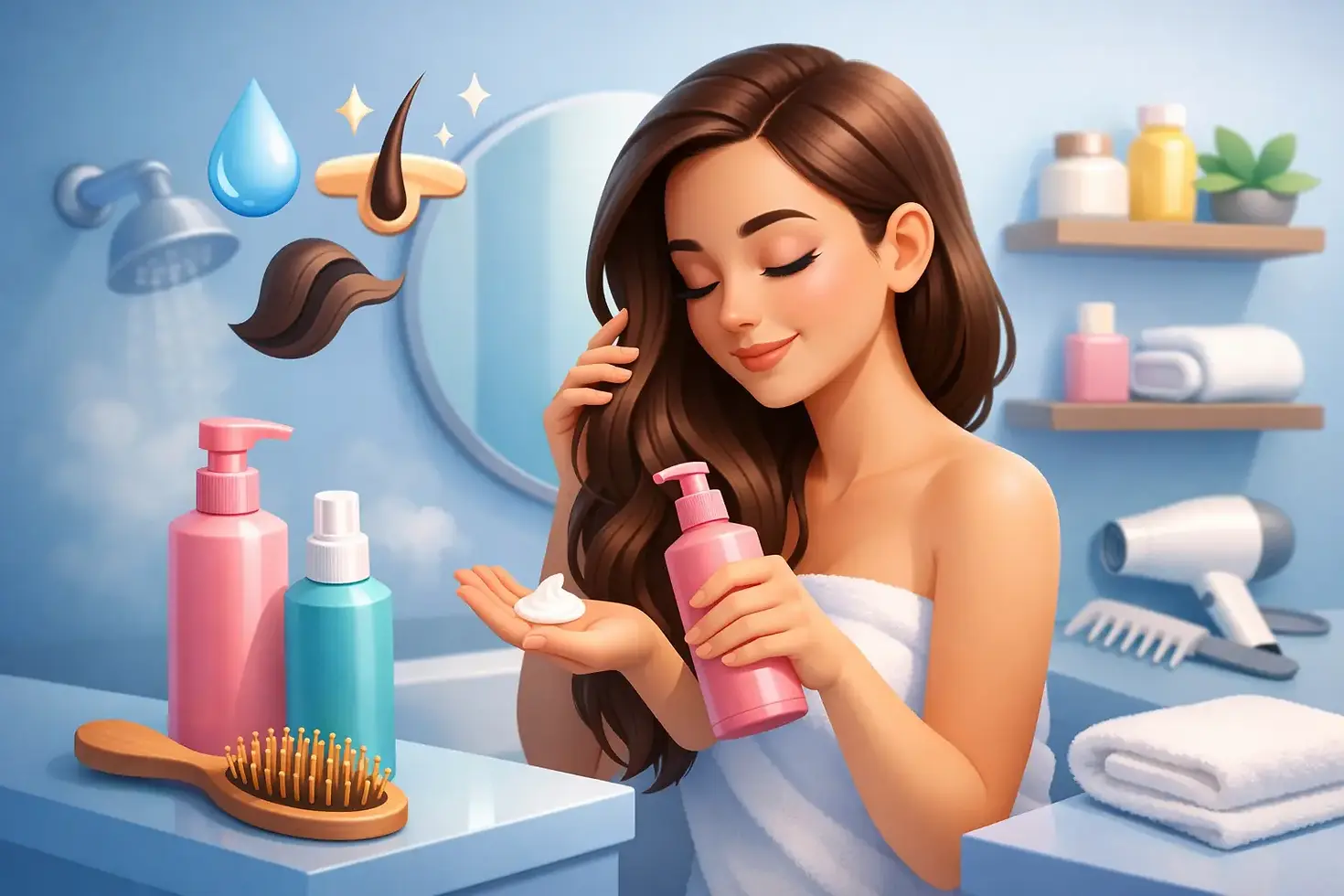
Start after shampooing and conditioning. Gently squeeze excess water from your hair, then blot with a microfiber towel or soft T-shirt. Hair should be damp, not dripping. If water is running off the ends, your leave-in will slide around instead of absorbing where it is needed.
Dispense a small amount first. For a fine-hair texture or short cut, begin with a pea- to dime-size amount. Medium to thick hair may need a nickel- to quarter-size amount, while very long, coarse, curly, or highly porous hair may need a little more. You can always add product. Taking it away is harder.
Warm the product between your palms, then apply it from the mid-lengths through the ends. These are the oldest, driest parts of your hair and usually need the most attention. Avoid loading product directly at the roots unless your hair is extremely dry and the formula is designed for scalp use. Most people get better volume and longer-lasting freshness by keeping leave-in conditioner away from the root area.
Use a wide-tooth comb, detangling brush, or your fingers to distribute it evenly. Do not rush this step. Even distribution is what gives you soft, balanced results instead of dry spots mixed with heavy, coated sections.
Then style as usual. Let hair air-dry for a natural finish, diffuse curls for definition, or follow with a dedicated heat protectant before using hot tools. If your hair tends to puff up in humidity, apply your anti-frizz or styling product after the leave-in, focusing on the outer layer and ends.
The right order in your routine
A simple order works for most wash days: shampoo, rinse-out conditioner, leave-in conditioner, heat protectant if needed, then styling products. If you use a hair oil, apply a small amount after your hair is dry or nearly dry to add shine and seal in a polished finish.
There are exceptions. Some curl routines use a leave-in before cream and gel for extra moisture and hold. Fine hair may need only a lightweight leave-in and a volumizing foam. Your hair does not need every product on the shelf. It needs the right combination for your concern.
Choose Your Application Based on Hair Type
Fine or oily hair
Fine hair benefits from a lightweight, sprayable, or fluid leave-in conditioner applied sparingly through the ends. Start with less than you think you need, especially if your roots become oily quickly. Apply from the ears down, comb through, and give it a minute to settle before adding volume products.
If your hair looks limp after using leave-in, the issue may be too much product, not the product category itself. Try using half as much, applying only to the last few inches, or reserving it for days when your ends feel dry or tangled.
Dry, damaged, or color-treated hair
Hair that has been lightened, colored, heat-styled, or chemically processed often needs more slip and conditioning. Choose a richer leave-in and work it carefully through the mid-lengths and ends while hair is damp. Give extra attention to areas that feel rough, snag easily, or look dull.
This is also the hair type most likely to benefit from a layered routine. A leave-in can provide daily softness, while a repair treatment used as directed can address the deeper signs of damage. The goal is hair that feels stronger without becoming stiff or overloaded.
Curly, coily, or textured hair
Textured hair often needs more moisture than straight hair, particularly through the ends and around the crown. Apply leave-in conditioner in sections so every curl pattern gets coverage. Use your fingers or a wide-tooth comb to detangle gently, then follow with a curl cream, mousse, or gel depending on whether you want softness, volume, or hold.
For tighter textures, applying leave-in on very damp hair can help with distribution and clumping. If your curls feel coated instead of hydrated, use less product or reassess how many rich stylers you are layering afterward.
Thick, coarse, or frizz-prone hair
For hair that tends to expand, feel dry, or lose smoothness fast, use a more generous amount through the mid-lengths and ends. Press the product into your hair rather than aggressively rubbing it over the surface. That small change can help preserve a smoother cuticle and reduce frizz before styling.
Humidity is a separate challenge. Leave-in conditioner can provide moisture and softness, but a humidity-focused anti-frizz product may be the better final layer when the forecast is working against your blowout.
Common Leave-In Conditioner Mistakes
The most common mistake is applying too much. When hair feels waxy, stringy, greasy, or unusually slow to dry, product overload is often the reason. Start small, especially with concentrated creams, and build only where your ends still feel dry.
Another mistake is applying it only to the surface. Hair is not one flat sheet. Lift sections and make sure the product reaches the underneath layers, where tangles and dryness often hide. A quick comb-through gives you more even results than repeatedly adding product on top.
Finally, do not treat leave-in conditioner as a fix for dirty hair. It can refresh dry ends between washes, but it will not remove oil, buildup, or dullness at the scalp. If your hair feels heavy, clarify when appropriate and return to a simpler routine.
Can You Use Leave-In Conditioner on Dry Hair?
Yes, but use it differently. On dry hair, a small amount can tame flyaways, soften rough ends, make a ponytail look more polished, or revive second-day curls. Use far less than you would after washing, warm it thoroughly in your hands, and concentrate on the ends.
For a quick refresh, mist your hair lightly with water first, then apply a tiny amount of leave-in conditioner. This can help reactivate the product and bring back softness without making hair look overdone. If you need more shine, finish with a minimal amount of hair oil on the very ends.
Make Your Results Last Longer
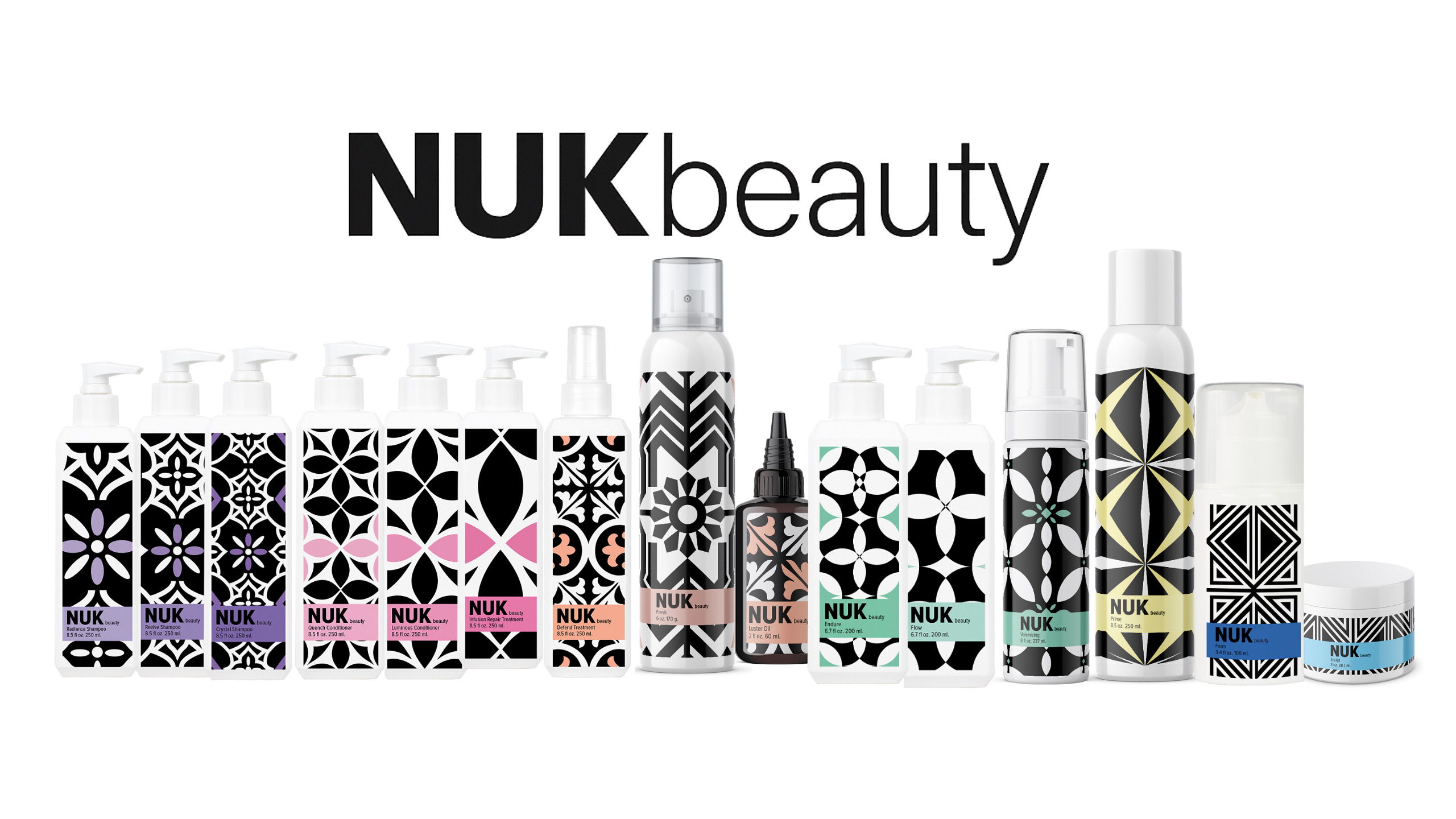
Salon-level hair is less about chasing a miracle product and more about using high-performing products with intention. NUK Beauty was built around that idea: clean formulas, professional standards, and solutions that answer real hair concerns instead of adding unnecessary steps.
Pay attention to how your hair responds over a few wash days. If it feels softer, detangles faster, and styles with less resistance, your routine is doing its job. If it feels heavy, adjust the amount. If it still feels dry, add product only where dryness is showing up, not everywhere out of habit.
Your best hair routine should feel easy enough to repeat. Use leave-in conditioner as the flexible, hardworking step that helps your hair look more like itself on its best day: smooth, strong, shiny, and ready for whatever styling comes next.


Comments