
Salon Shampoo vs Drugstore Shampoo: Is It Worth It?
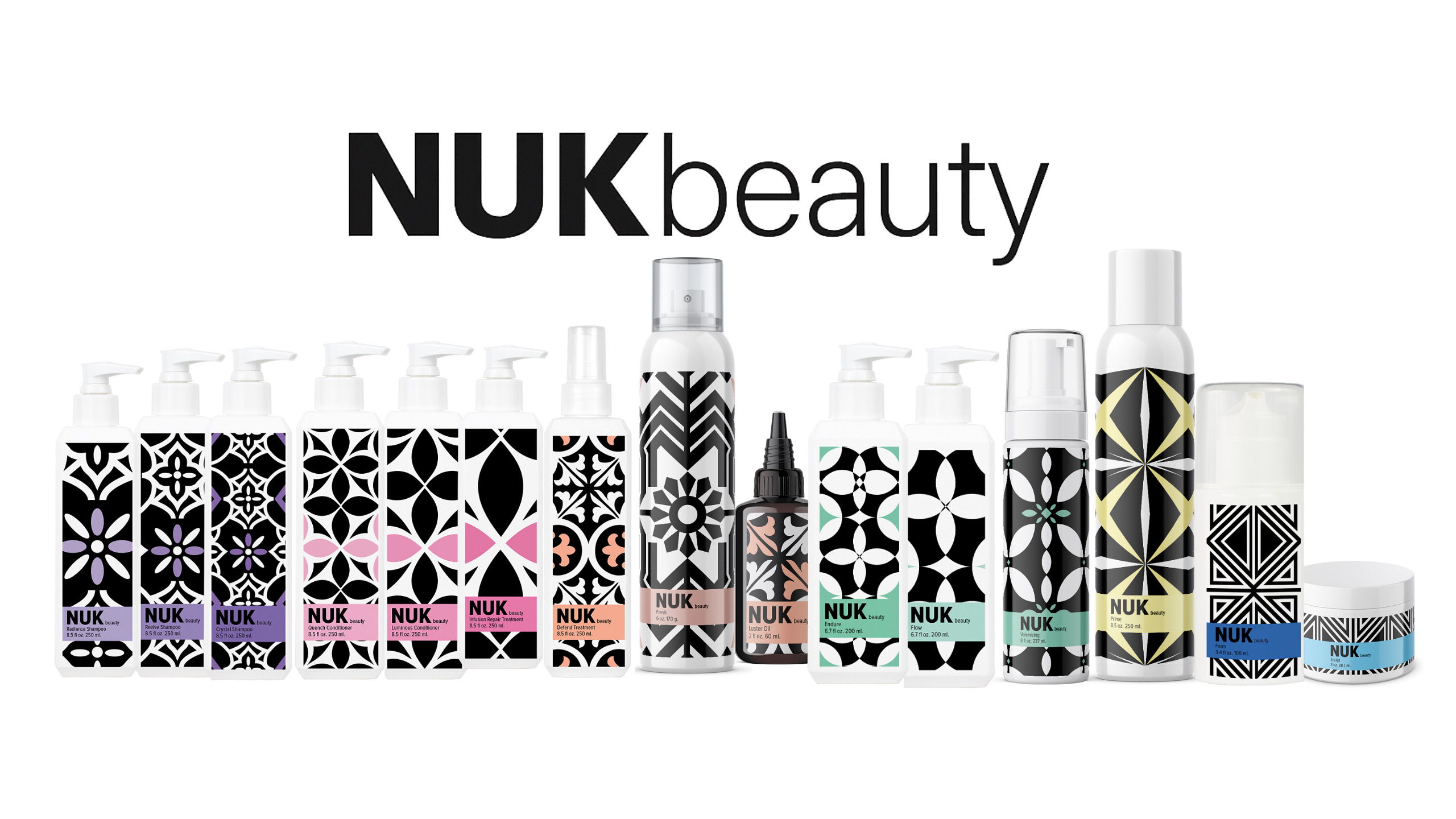
Your shampoo is the product you use most often, yet it is usually the one chosen in a rush. That is why the salon shampoo vs drugstore shampoo question matters more than a fancy bottle or a lower shelf price. If your hair feels dry two days after washing, your color fades too fast, your scalp gets oily by noon, or your ends never look smooth, the formula in your shower may be working against your goals.
The honest answer: salon shampoo is not automatically better just because it costs more, and drugstore shampoo is not automatically bad. What matters is how the formula cleans, what it leaves behind, and whether it is designed for your actual hair concern. Great haircare should earn its place in your routine with results you can see and feel.
Salon Shampoo vs Drugstore Shampoo: The Real Difference
The biggest difference is often formula intent. Professional shampoos are commonly developed to support a specific salon-level outcome: protecting color-treated hair, helping manage frizz, strengthening compromised strands, creating fullness in fine hair, or cleansing oily roots without stripping dry lengths. The goal is not just to create lots of foam. It is to set up the hair for a better result after conditioning, styling, and repeat use.
Drugstore shampoos cover a huge range. Some are excellent, especially when you know what ingredients and performance claims to look for. Others are made to appeal to the broadest possible audience at a lower price point. That can mean a more general cleansing approach, heavier fragrance, or ingredients that make hair feel temporarily soft while not doing much for the issue underneath.
Price alone does not tell the full story. A professional formula may be more concentrated, so you need less per wash. A less expensive shampoo that requires a large handful every time can disappear surprisingly fast. More importantly, a formula that leaves your hair tangled, dull, or greasy can lead to extra spending on masks, dry shampoo, anti-frizz products, and styling products just to compensate.
It Starts With How Your Hair Is Cleansed
Shampoo has one core job: remove oil, sweat, buildup, and residue without leaving the scalp uncomfortable or the hair rough. That balance is where formulas separate themselves.
A strong cleanser can be useful for someone with very oily roots, heavy product buildup, or an active lifestyle. But if that cleanser is too aggressive for your hair, it can leave the cuticle feeling raised and the lengths feeling squeaky. That “super clean” sensation is not always a win. Dry, curly, damaged, color-treated, or chemically processed hair often needs cleansing that feels fresh but still leaves the hair flexible.
On the other hand, a shampoo that is too rich or too lightly cleansing for your needs can create flat roots, dullness, and the feeling that your hair is never truly clean. Fine hair may need a lighter formula that rinses clean. Thick, coarse, or highly textured hair may need more moisture and slip. Oily scalp and dry ends? You need a formula that respects both, not one that treats your whole head the same.
This is why “best shampoo” is not a useful category. The right shampoo is the one that solves your problem without creating a new one.
The ingredient conversation needs context
Clean ingredients matter, but clean is not a performance category by itself. A shampoo can have a beautiful ingredient story and still fail to cleanse well, manage frizz, or support damaged hair. The standard should be both: thoughtful ingredients and visible results.
Likewise, not every ingredient with a complicated name is a red flag, and not every ingredient found in a drugstore formula is harmful. What matters is the full formula, how it performs on your hair, and how your scalp responds over time. A good shampoo should leave your scalp comfortable, your roots clean, and your lengths ready for conditioner instead of desperate for repair.
For color-treated hair, look for formulas designed to cleanse gently and help preserve vibrancy. For dry or damaged hair, prioritize moisture, strength support, and a finish that does not feel coated. For frizz, think beyond shampoo alone: you need a system that helps maintain smoothness from wash day through humidity and heat styling.
Why Salon Results Usually Come From a System
A shampoo cannot do everything. It can create the right starting point, but conditioner, treatments, leave-ins, and heat protection determine how well your hair performs after the shower.
This is where salon-quality haircare can feel different. It is often designed as a coordinated routine. A moisture shampoo pairs with a conditioner that gives slip. A repair-focused cleanser supports a treatment for stressed lengths. A volumizing shampoo keeps the roots light, so a styling foam can actually lift instead of fighting residue. Each step has a job.
That does not mean you need a ten-step routine. It means your products should make sense together. If you use a shampoo that dries your hair out, then rely on a heavy mask to make it manageable, you are stuck in a cycle. If your shampoo is too rich for fine hair, no amount of volumizing spray will fully bring back the lift at your roots.
At NUK Beauty, the approach is straightforward: choose haircare by the result you want. Dryness, damage, frizz, brassiness, oil control, heat defense, and volume all call for different support. Haircare that actually works should not require guessing.
When Drugstore Shampoo May Be the Better Choice
There is no rule that says you must buy professional shampoo for every wash. If your hair is healthy, untreated, easy to manage, and your current shampoo leaves it clean, comfortable, and shiny, a drugstore option may meet your needs just fine.
It can also be a practical choice for a clarifying wash when your preferred formula is not meant for heavy buildup, or for households where multiple people use the same basic shampoo. The key is to notice what happens after a few weeks, not just how your hair feels while rinsing.
If you are washing more often because your roots get greasy faster, if your color looks flat, if your ends feel brittle, or if you need more styling product every month to get a polished finish, the “budget” choice may not be giving you the value you expected.
How to Tell if Your Shampoo Is Not Working
Your hair gives clear feedback when a shampoo is mismatched. Watch for these patterns, especially if they continue beyond a single wash day:
Roots that become oily unusually fast or feel weighed down right after drying
Ends that feel rough, tangled, stiff, or difficult to brush
A tight, itchy, or uncomfortable scalp after cleansing
Color that seems to lose brightness quickly
Frizz, dullness, or flatness that appears even when you style carefully
One bad hair day is not a diagnosis. Humidity, water quality, styling habits, and hormonal changes can all affect your hair. But repeated frustration is a signal to reassess the formula and your routine.
Make the Choice Based on Your Hair, Not the Label
When comparing salon shampoo vs drugstore shampoo, start with your non-negotiables. Do you need color protection? Is your hair recovering from bleach, hot tools, or extensions? Are your roots oily while the ends are dry? Do you want softness without losing volume? These answers matter more than whether a bottle is sold in a salon or a big-box store.
Then consider cost per use, not just price at checkout. Use the recommended amount for your hair length, and give a new formula several washes before judging it. Your hair may need time to adjust after a product that was overly stripping or overly coating.
The best shampoo should make the rest of your routine easier. It should help your hair feel clean, balanced, manageable, and ready for whatever comes next. Choose the formula that lets you use less effort to get more shine, softness, and confidence every time you wash.


Comments