
What Is Clean Haircare? Results Without Compromise
Your shampoo can smell incredible, foam beautifully, and still leave your hair feeling dry, flat, or impossible to style. That is why the question, what is clean haircare, is about more than a trendy label. It is about choosing formulas that respect your hair, your scalp, and your standards for real salon-level results.
Clean haircare should never mean settling for limp roots, rough ends, or products that look good on a shelf but do nothing for your hair. The right routine delivers visible payoff: softer texture, smoother frizz control, stronger-looking lengths, brighter color, and hair that is easier to manage day after day.
What Is Clean Haircare, Exactly?
Clean haircare generally refers to products made with thoughtfully selected ingredients and without certain ingredients a brand chooses to avoid. The goal is to create formulas that are mindful of ingredient preferences while still delivering the cleansing, conditioning, repair, and styling performance your hair needs.
There is one detail worth knowing: “clean” is not a single regulated standard in the United States. Different brands can use the word differently. One may focus on avoiding particular sulfates or silicones, while another may prioritize vegan ingredients, fragrance choices, ingredient sourcing, or a longer list of exclusions.
That does not make clean haircare meaningless. It means you should look beyond the front-label claim. A trustworthy clean approach explains its standards clearly and proves that the formula works on actual hair, not just in a marketing promise.
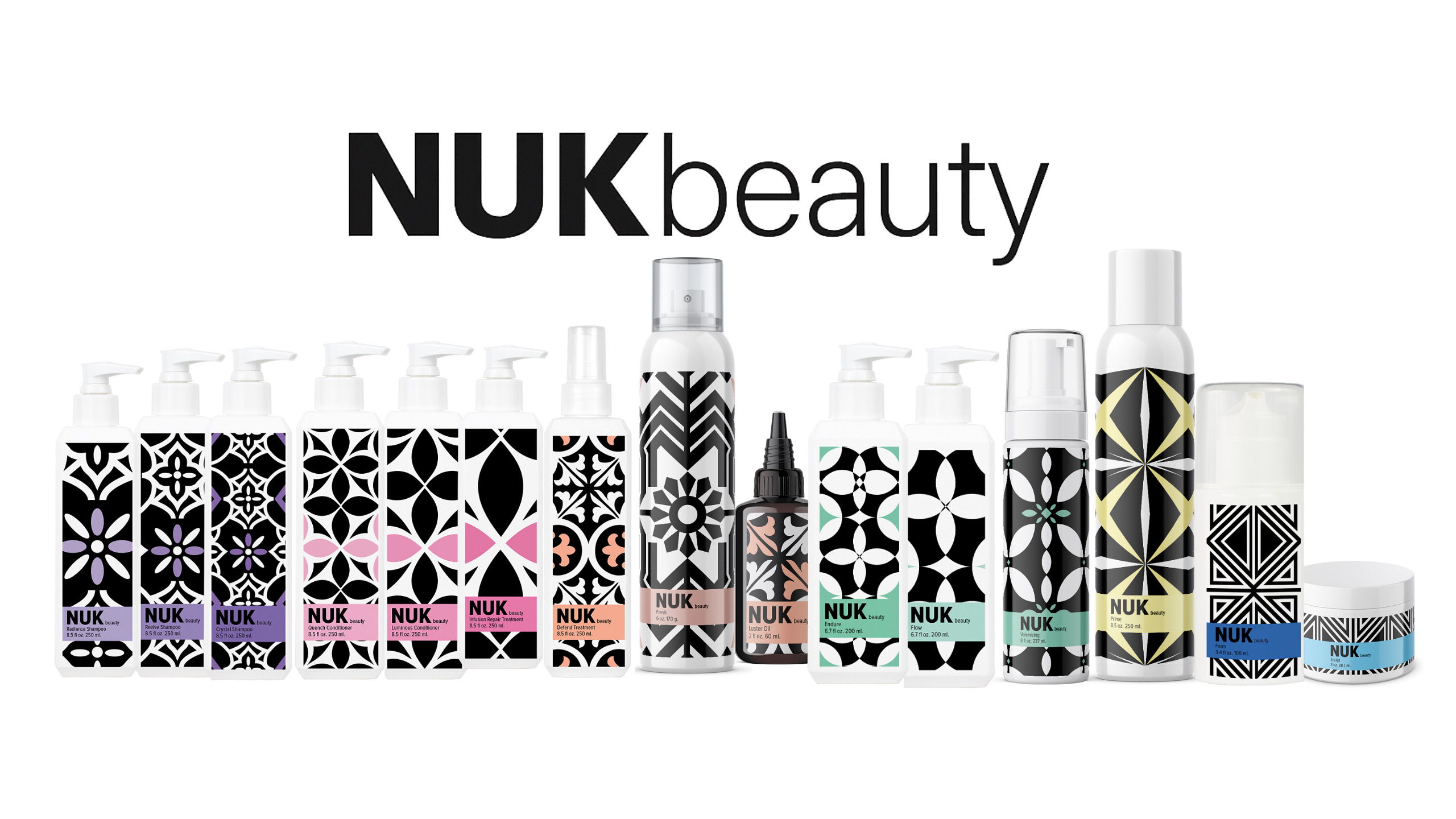
For NUK Beauty, clean and professional belong in the same sentence. Haircare should feel elevated, perform beautifully in a salon-inspired routine, and help solve the concerns that make getting ready frustrating in the first place.
Clean Does Not Mean One-Size-Fits-All
A common mistake is treating every ingredient as automatically good or bad. Hair is more nuanced than that. An ingredient that gives one person silky slip may feel too rich on someone with fine hair. A stronger cleanser may be useful for an oily scalp or heavy styling buildup but may not be the everyday choice for dry, color-treated lengths.
The best clean haircare routine is not about chasing the shortest ingredient list or avoiding every ingredient with a long name. It is about choosing formulas that make sense for your hair condition, scalp needs, color history, and styling habits.
If your hair is dry and coarse, you may need richer conditioning support and a treatment that helps restore softness. If your roots get oily quickly, a balanced shampoo and a well-formulated dry shampoo can help refresh your style without overloading your scalp. If heat tools are part of your daily routine, heat protection is not optional just because the rest of your routine is clean.
Results still matter. In fact, they matter more when you are investing in premium haircare.
What Clean, High-Performance Formulas Should Do
A clean formula earns its place in your shower or styling routine by making your hair look and feel better. That may sound simple, but it is the standard that separates a thoughtful product from a beautiful bottle with vague claims.
A high-performing clean shampoo should cleanse without leaving your hair stripped, tangled, or squeaky. That overly squeaky feeling can be a sign that your lengths need more moisture after washing, especially if your hair is colored, bleached, heat-styled, or naturally dry.
A conditioner should do more than make wet hair feel slippery for thirty seconds. It should improve detangling, support softness, and help hair stay manageable after it dries. For damaged hair, a deep treatment can offer a more concentrated step that helps improve the look and feel of stressed lengths between salon visits.
Styling products matter here, too. Clean haircare is not limited to shampoo and conditioner. A heat protectant needs to help defend hair before blow-drying, flat-ironing, or curling. An anti-frizz spray needs to earn its keep when humidity hits. A volumizing foam should build lift without turning fine hair stiff or sticky. A hair oil should add polish without making your roots look oily by noon.
That is the bar: clean ingredients in, gorgeous hair out.
Ingredients, Claims, and the Questions Worth Asking
You do not need a chemistry degree to shop smarter. You do need a few better questions than “Is this clean?”
Start by asking what the product is designed to solve. Dryness, breakage, brassiness, frizz, oil control, and lack of volume are different concerns. A product that is perfect for one can be disappointing for another, even when both formulas are thoughtfully made.
Then consider how you use it. A rich mask may be exactly what bleached, thirsty hair needs once or twice a week, but it could weigh down very fine hair if used every wash. A dry shampoo can extend a blowout and absorb excess oil, yet it should not replace washing indefinitely when your scalp needs a proper cleanse.
It also helps to be realistic about words such as “natural,” “nontoxic,” and “chemical-free.” Everything is made of chemicals, including water. These terms are often used loosely, so they do not tell you enough on their own. Look for brands that communicate their ingredient philosophy in plain language, make claims they can stand behind, and focus on how the product performs.
Sensitivity is another personal factor. A formula that works beautifully for most people may not be right for you if you know your scalp reacts to certain fragrances or ingredients. When trying something new, introduce one product at a time when possible. It makes it easier to tell what your hair loves and what it does not.
Build a Clean Haircare Routine Around Your Real Life
The most effective routine is usually not the biggest one. It is the one you will actually use consistently and that targets your biggest concern.
Begin in the shower with a shampoo and conditioner matched to your hair’s current condition. Hair that feels brittle, dull, or rough may benefit from moisture and repair-focused formulas. Hair that falls flat can benefit from lightweight cleansing and body-building styling support. Color-treated hair often needs extra attention to moisture, shine, and brassiness, depending on the shade and service history.
After washing, choose one or two leave-in steps with purpose. A leave-in conditioner can support detangling and softness. Heat protectant belongs on damp hair before thermal styling. If frizz is your biggest issue, add a smoothing product before blow-drying rather than trying to fix everything after your hair is already expanded by humidity.
Finish based on the look you want. Use a lightweight oil on mid-lengths and ends for shine and polish, not as a cure-all for an irritated or overly oily scalp. Reach for a styling cream when you want touchable definition, a foam when you want lift, or a paste or pomade when you need more control and separation.
The trade-off is simple: layering too many rich products can make fine hair fall flat, while using too little support on dry or damaged hair can leave it rough and frizzy. Adjust your routine as your hair changes with the season, color appointments, stress, hard water, and styling frequency.
Why Salon Quality Still Makes a Difference
Salon quality is not about making haircare feel exclusive. It is about formula performance, purposeful product design, and understanding that hair concerns are rarely solved by a single random product.
A professional mindset starts with diagnosis. Is your hair dry because it needs more conditioning, or is it damaged from frequent bleaching and heat? Is your scalp oily because of your natural oil production, or are you applying heavy products too close to the root? Is your hair frizzy because it lacks moisture, because of humidity, or because your styling method is creating friction?
Those answers shape a better routine. They also save you from spending money on products that were never built for your actual concern. The goal is not a crowded bathroom shelf. The goal is hair that looks healthier, feels better, and behaves the way you want it to.
Clean haircare is at its best when it gives you both confidence and proof. Choose formulas that fit your standards, then let your hair be the evidence: smoother after wash day, stronger-looking through the lengths, protected during styling, and still beautiful when real life gets humid.


Comments