
Best Conditioner for Frizzy Hair That Works
Frizz is not a personality trait your hair needs to live with. It is often a sign that strands are thirsty, roughened by damage, or reacting to humidity the second you step outside. The best conditioner for frizzy hair is not simply the richest formula on the shelf. It is the one that gives your specific hair enough moisture, slip, and strength to lie smoother without leaving it flat, coated, or greasy.
That difference matters. A conditioner can make hair feel silky for five minutes in the shower, then leave you with puffiness, dullness, and flyaways by lunchtime. Salon-level results come from choosing a formula that treats what is actually causing the frizz - then using it consistently.
What Makes Hair Frizzy in the First Place?
Frizz happens when the outer layer of the hair, called the cuticle, is lifted or uneven. Instead of reflecting light and sitting smoothly together, strands pull moisture from the air and expand in different directions. The result is that familiar fuzzy halo, swollen shape, and lack of shine.
Dryness is a major reason, but it is not the only one. Bleaching, coloring, heat styling, hard water, rough towel drying, and overwashing can all make the cuticle less smooth. Naturally curly and textured hair can be especially prone to frizz because its bends make it harder for scalp oils to travel from roots to ends. Fine hair can frizz too, though it needs a lighter approach than dense, coarse hair.
This is why a generic conditioner often disappoints. Hair that is dry needs cushioning moisture. Hair that is breaking needs moisture plus targeted strengthening. Hair that becomes a cloud in humidity needs a conditioning routine that helps seal and smooth the cuticle without creating buildup.
How to Choose the Best Conditioner for Frizzy Hair
Start with your hair’s behavior after it dries, not just how it looks in the shower. If your ends feel scratchy, tangle easily, and drink up every styling product, prioritize a more nourishing conditioner. Look for formulas designed to soften the hair fiber, improve slip, and support a smoother finish.
If your hair is frizzy after color services, frequent hot tools, or chemical treatments, choose a conditioner that balances hydration with repair-focused ingredients. Too much protein can leave some hair feeling stiff, especially if it is already dry. But skipping strengthening support entirely can make fragile, damaged hair feel weak and look fuzzy. The goal is flexibility: hair that feels soft enough to move and strong enough to hold its shape.
For fine hair, the best formula is usually one that smooths without being overly heavy. Rich butters and dense oils can be beautiful for thick, porous hair, yet they may make fine roots collapse or look oily faster. Keep the conditioner mostly through mid-lengths and ends, and rinse thoroughly.
For thick, coarse, curly, or highly textured hair, do not be afraid of a more conditioning formula. These hair types often need more slip to detangle comfortably and more lasting moisture to stay defined between wash days. If your hair still feels rough after rinsing, the formula may simply not be substantial enough for you.
Ingredients That Help Smooth, Soften, and Shine
You do not need a chemistry degree to choose a conditioner well. Focus on what the formula is designed to do: add moisture, reduce friction, and help the hair surface feel more polished.
Humectants can help hair hold onto hydration, while conditioning agents improve softness and detangling. Nourishing oils and lightweight emollients can help reduce that dry, rough feel that makes frizz stand out. In a good formula, these ingredients work together instead of just coating hair with temporary shine.
For damaged hair, look for repair-minded formulas that help reinforce the feel of weakened strands. The right amount can make hair feel more resilient and less prone to snapping during brushing and styling. If hair starts feeling hard, brittle, or strangely dull after several uses, alternate with a moisture-forward conditioner instead of pushing through.
Be thoughtful about buildup, too. Heavy residue can make hair look shiny at first but leave it limp, dull, or harder to style over time. Clean, performance-driven haircare should make your hair feel touchable and manageable, not dependent on a pile of product to look presentable.
Conditioner Mistakes That Keep Frizz Around
Even an excellent conditioner cannot do its best work when the routine works against it. One common mistake is applying conditioner to soaking-wet hair without squeezing out excess water first. When hair is dripping, the formula can slide right off instead of coating the lengths evenly. Gently press out water, then apply conditioner from the mid-lengths through the ends.
Another issue is rinsing too quickly. Give the formula a minute or two to soften and detangle before rinsing. Use your fingers or a wide-tooth comb to distribute it through dense or curly hair, beginning at the ends where tangles collect.
Hot water is another quiet frizz trigger. It can leave hair and scalp feeling stripped, particularly if you wash often. You do not need an icy rinse, but lukewarm water is usually kinder to dry, frizz-prone lengths.
Finally, do not judge a conditioner only by how soft it makes your hair while wet. Pay attention to your hair after air-drying or blow-drying. Does it have better shine? Does it stay smoother in humidity? Are you using less styling cream to make it cooperate? Those are the results that count.
A Frizz-Fighting Routine That Does More Than Condition
Conditioner is a major player, but it is one part of a smoother-hair system. Start with a shampoo that cleans without making your lengths feel squeaky or stripped. Follow with the right conditioner every wash day, then add a weekly deep treatment if your hair is dry, colored, or heat-styled regularly.
After the shower, avoid aggressively rubbing hair with a standard bath towel. Press and squeeze instead. Apply a leave-in conditioner or anti-frizz product while hair is damp, concentrating on the areas that puff up first: usually the ends, crown, and face-framing pieces. If you use heat, a heat protectant is nonnegotiable. Heat damage can make tomorrow’s frizz worse, even when today’s blowout looks polished.
Humidity protection also matters if your hair changes the moment the weather does. A finishing product that helps smooth the surface of the hair can make the difference between a style that lasts and one that expands before you get to your destination.
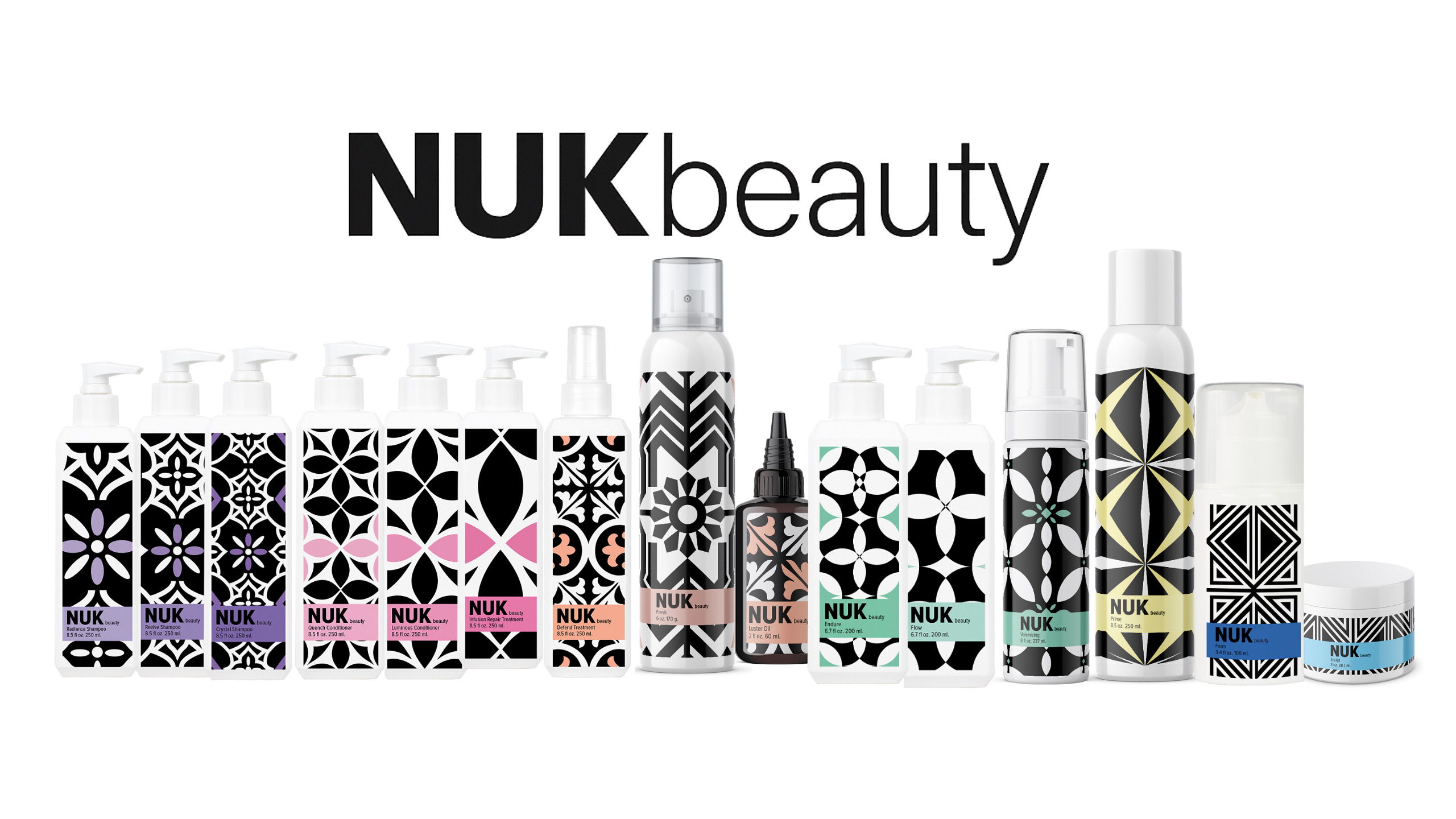
At NUK Beauty, the approach is simple: match your products to the concern instead of hoping one random bottle can solve everything. When dryness, damage, and humidity are each addressed with purpose, hair becomes easier to manage and more consistently glossy.
When a Deep Conditioner Is the Better Choice
A daily conditioner is built for regular softness and maintenance. A deep conditioner or treatment is for the moments when your hair needs more - after a color appointment, a vacation full of sun and saltwater, a stretch of frequent heat styling, or a season when indoor heating has left every strand feeling dry.
Use a deeper treatment about once a week if your hair feels rough, tangles more than usual, or has lost its bounce and shine. If your hair is fine or gets weighed down easily, use it less often and keep it away from the roots. More product is not automatically better. Healthy-looking hair comes from the right level of care, repeated over time.
The best test is simple: after your hair is dry, it should feel softer but not coated, smoother but not limp, and easier to style without needing a rescue routine. Give a new conditioner several washes before deciding. Frizz does not disappear because of one good hair day, but the right formula can make good hair days feel a lot more reliable.


Comments