
Best Anti Frizz Spray for Smooth Hair
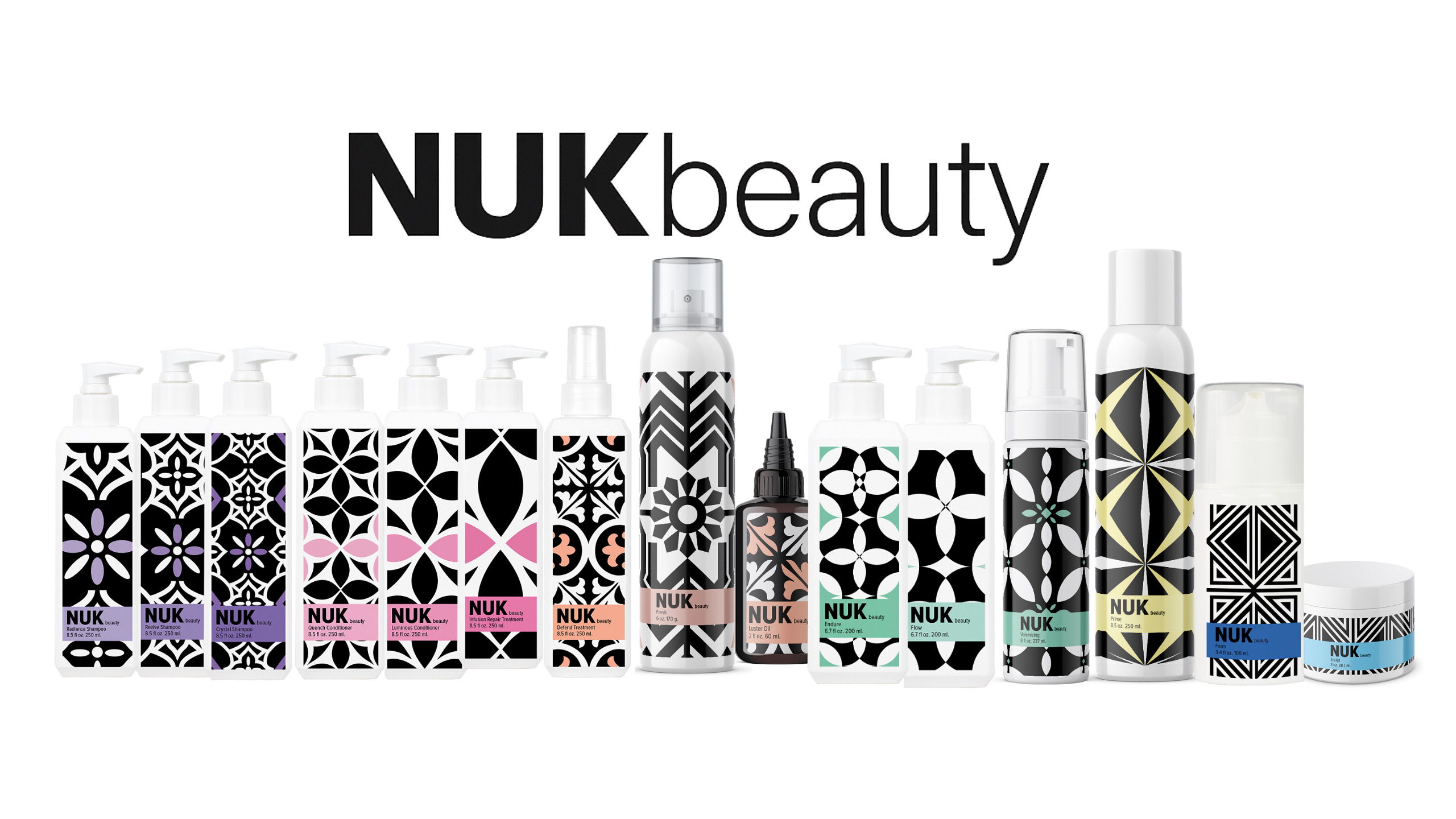
If your hair looks polished when you leave the house and swollen by lunchtime, you do not need more wishful styling. You need the best anti frizz spray for your hair type, your weather, and the way you actually wear your hair. A good formula should do more than make bold promises on the bottle. It should smooth the cuticle, help block humidity, add shine without grease, and keep your style looking finished instead of fluffy.
What makes the best anti frizz spray actually work?
Frizz is not just “unruly hair.” It is usually a moisture management problem. When the outer layer of the hair is lifted from damage, dryness, heat styling, or chemical processing, outside moisture sneaks in. Hair swells, the surface gets rough, and that smooth blowout you spent time on starts looking fuzzy.
The best anti frizz spray works by creating a light protective layer over the hair shaft. That layer helps seal the cuticle, reduce static, and slow down humidity from getting where it should not. The result is hair that feels softer, looks shinier, and holds its shape better.
That said, not every anti-frizz spray does the same job. Some are built to finish a style and add polish. Some are meant to be used before blow-drying for heat protection and smoother results. Others lean more like a lightweight leave-in, which can be great for dry or coarse hair but too much for fine hair. That is why the “best” one depends on what your hair needs most.
How to choose the best anti frizz spray for your hair type
Start with density and texture. Fine hair usually needs a lighter spray that smooths without flattening. If the formula is too rich, the roots can look limp fast. Medium to thick hair can usually handle a little more coating and often benefits from sprays that add softness and shine while controlling puffiness.
If your hair is coarse, curly, color-treated, or heat-damaged, frizz control often needs to do double duty. You are not just fighting humidity. You are also trying to compensate for a more porous cuticle. In that case, a spray that includes conditioning support and heat defense can make a real difference.
Climate matters too. If you live somewhere humid, you need a formula that focuses on humidity resistance instead of just surface shine. A glossy finish can look great for ten minutes, but if it cannot hold up in damp air, it is not solving the real problem.
Then there is styling routine. If you air-dry most days, you may want a spray that can calm frizz on dry hair without making it stiff. If you blow-dry and heat style, look for something that supports smoothing before the heat hits. The best results usually come when the product matches the way you actually use your hair, not the way you wish you did.
Ingredients and formula details worth paying attention to
You do not need a chemistry lesson to shop smarter, but a few details matter. Silicones are one of the biggest conversations in anti-frizz products, and for good reason. Some people love them because they create that instantly smoother, shinier finish. Others avoid them because heavy formulas can build up or feel too coating over time.
The real answer is not that silicones are automatically good or bad. It depends on the formula, how much is used, and what your hair responds to. A well-made spray can give you sleekness without making hair feel heavy. A poorly balanced one can leave residue or weigh down finer strands.
Hydrating ingredients also matter, especially if your frizz comes from dryness and damage. Hair that is under-moisturized tends to grab moisture from the air, which is exactly what creates that halo of fuzz. A spray with lightweight conditioning support can help keep the hair surface smoother for longer.
If you use hot tools, heat protection is a major bonus. Too many people treat anti-frizz and heat defense as separate steps, then overload their hair with products trying to do both. A smarter formula can cut down on that layering and make the routine simpler.
What to avoid when shopping for an anti-frizz spray
Be careful with products that promise glass hair but leave a greasy finish. Shine is great. Slick roots are not. If your hair looks clean for half a day and oily by dinner, that formula is not balanced for regular use.
Also watch for anything that feels sticky or crunchy. Anti-frizz control should not mean helmet hair. A spray should help hair move naturally while looking smoother and more controlled.
Another common issue is using too much product because the first application did not seem to do enough. Usually that points to the wrong formula, not the need for a heavier hand. A good anti-frizz spray should give you visible improvement with a light, even application.
How to use anti-frizz spray so it actually performs
Application changes everything. One of the most common mistakes is spraying too close to the hair. That can create wet spots, uneven distribution, and a heavier finish in certain areas. Hold the spray at a bit of distance and mist lightly so the product lands evenly.
For blow-drying, apply to damp hair from mid-lengths to ends, then comb through. This helps spread the formula and prevents overloading one section. If your crown gets frizzy, you can use a small amount there too, but keep it light near the roots unless the product is specifically made for all-over use.
For dry styling, use it as a finishing step. Mist lightly over the surface and focus on the outer layer where frizz is most visible. Then smooth with your hands or a brush. This can instantly clean up flyaways and make the hair look more finished.
Less is usually more. You can always add another light pass. It is much harder to fix hair that has gone limp from over-application.
Why some anti-frizz sprays disappoint
Usually, it comes down to mismatch. A product for thick, dry hair can overwhelm fine hair. A lightweight shine mist may not be enough for porous, color-treated hair in high humidity. And sometimes the spray itself is fine, but the routine around it is setting it up to fail.
If your shampoo strips the hair, your styling tools run too hot, or your hair is already dehydrated, an anti-frizz spray has to work harder. That is why frizz control often improves when the rest of the routine supports it. Healthier hair is easier to smooth. Damaged hair takes more effort because the cuticle is already compromised.
This is where salon-quality thinking matters. You want products that are built to perform, not just perfume the problem. Clean, performance-driven formulas can absolutely smooth hair, but they still need to be intentional. The goal is not to coat hair into submission. It is to help it behave better while still feeling like hair.
The best anti frizz spray is the one you will keep reaching for
There is no single spray that is perfect for every head of hair, and that is the truth most brands skip. The best anti frizz spray for you should fit your texture, your climate, and your styling habits without turning your routine into a science project. It should make hair look smoother, feel softer, and stay manageable in real life, not just for a mirror check right after styling.
If you are tired of buying products that promise control and deliver buildup, focus on performance over hype. Look for a formula that respects your hair instead of overpowering it. That is the difference between a product that sits in the cabinet and one that becomes part of your everyday routine. At NUK Beauty, that is exactly the standard.
Smooth hair should not feel like a lucky day. With the right spray and the right application, it can feel a lot more consistent.


Comments