
Best Shampoo for Dry Damaged Hair
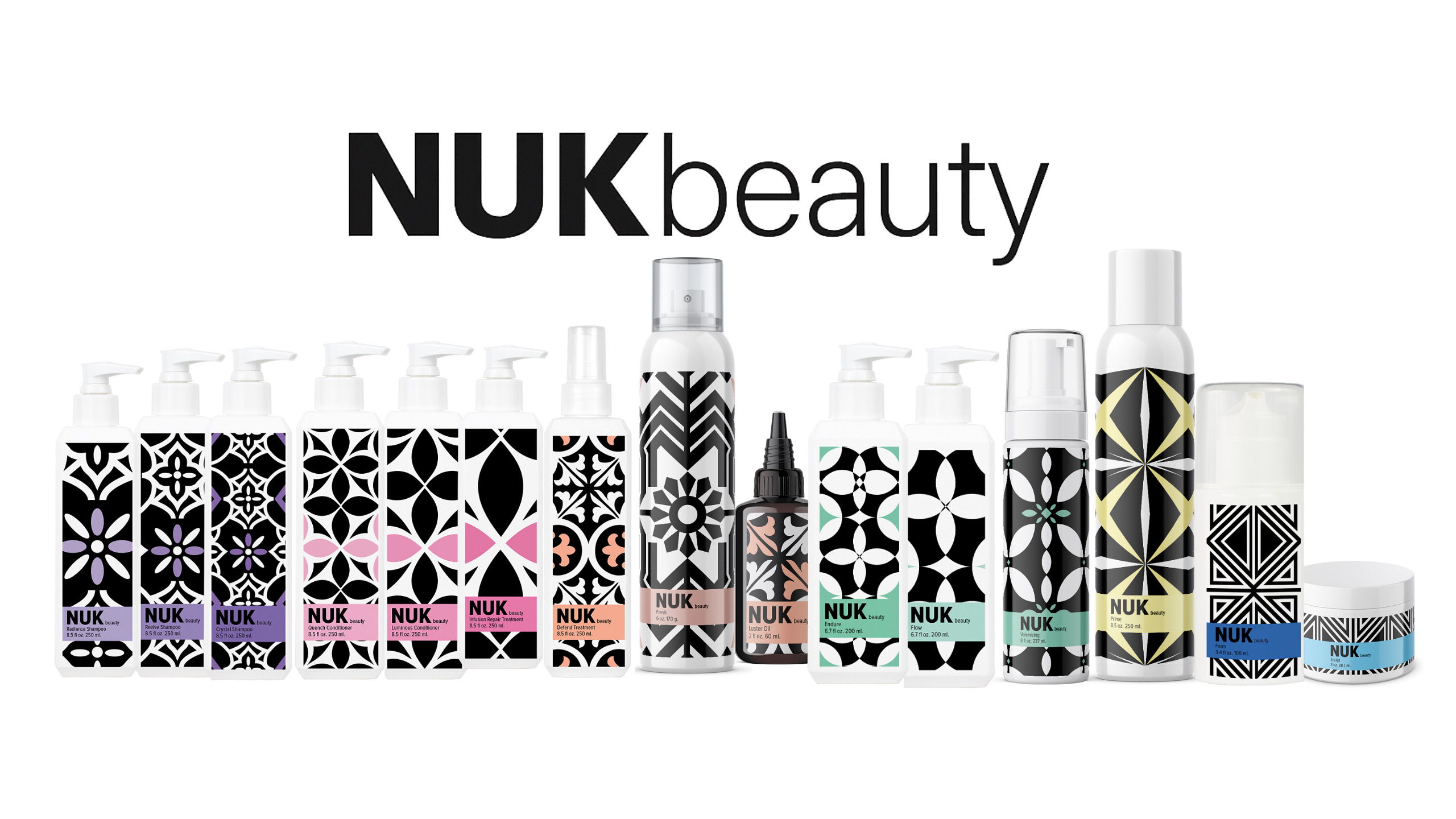
If your hair feels rough by day two, snaps when you brush it, or looks dull no matter how much oil you smooth on top, the problem usually starts in the shower. Finding the best shampoo for dry damaged hair is less about chasing hype and more about choosing a formula that cleans without stripping, supports repair, and works with the rest of your routine.
Dryness and damage get lumped together all the time, but they are not exactly the same thing. Dry hair lacks moisture and softness. Damaged hair has a compromised cuticle from heat, color, bleach, over-washing, hard water, tight styling, or just years of stress. Most people dealing with one are dealing with at least a little of the other, which is why a good shampoo has to do two jobs at once - cleanse gently and help the hair feel stronger, smoother, and more manageable.
What makes the best shampoo for dry damaged hair?
The best formulas are usually not the ones that leave your hair squeaky clean. That squeaky feeling often means the hair has been over-cleansed, and dry damaged strands do not bounce back from that easily. A better shampoo leaves the scalp fresh while the lengths still feel soft, flexible, and calm.
Look for shampoos that use milder cleansing agents and pair them with conditioning support. Ingredients like glycerin, panthenol, aloe, amino acids, hydrolyzed proteins, and lightweight plant oils can help improve feel and reduce that brittle, straw-like texture. If your hair is color-treated or heat-styled often, repair-supporting ingredients such as keratin, rice protein, bond-support technology, or ceramides can also make a real difference over time.
That said, more protein is not always better. Hair that is extremely dry can get stiff if you overload it with protein-heavy formulas every wash. If your strands feel hard, tangly, or oddly rigid after using a repair shampoo, you may need more moisture and less reconstruction for a while. Healthy-looking hair is about balance, not extremes.
Why some shampoos make dry hair worse
A lot of people think their conditioner is failing them, when the shampoo is actually the issue. If your cleanser is too harsh, your conditioner has to work overtime just to get your hair back to baseline. That is a losing game, especially if you color your hair, use hot tools, or live in a dry climate.
High-foaming shampoos can feel satisfying, but foam is not the same as performance. The best shampoo for dry damaged hair should remove buildup, sweat, and oil without ripping away everything your hair needs to stay smooth. If your roots get oily but your ends are dry, that balance matters even more. You need a shampoo that resets the scalp without punishing the lengths.
Fragrance-heavy formulas can also be tricky for some people. A shampoo can smell expensive and still leave the hair parched. Texture after rinsing tells you more than marketing copy ever will. If your wet hair already feels tangled and rough before conditioner, that shampoo is probably not your best match.
How to choose the right formula for your hair type
Not all dry damaged hair behaves the same way. Fine hair needs softness and repair, but heavy formulas can flatten it fast. Thick or coarse hair usually needs richer conditioning support and more lasting moisture. Curly and textured hair often needs a shampoo that preserves flexibility and helps reduce friction during wash day.
If you have fine hair, choose a reparative shampoo with lightweight hydration. You want bounce and shine, not residue. Ingredients like panthenol, silk proteins, and lightweight oils tend to work better than very rich butters in the shampoo step.
If you have medium to thick hair, a creamier shampoo can be a good fit. These formulas often cushion the hair more during cleansing and help reduce post-wash frizz. If your hair has been bleached or heavily highlighted, lean into moisture plus strength support rather than cleansing power.
If your hair is curly, coily, or naturally dry, focus on slip. A shampoo that helps you detangle even a little in the shower is doing something right. Harsh cleansing shows up quickly in textured hair as frizz, puffiness, and loss of definition.
If your scalp gets oily quickly, you do not need to swing all the way to a harsh clarifying shampoo several times a week. A balanced, salon-quality formula can cleanse the roots well enough while still protecting your ends. Then use a deeper clarifying wash only when buildup is actually present.
Ingredients worth paying attention to
You do not need a chemistry degree to shop smart, but it helps to know what usually earns a place in a good repair shampoo. Humectants such as glycerin and aloe help attract moisture. Conditioning ingredients soften the hair and improve slip. Proteins and amino acids can help hair feel stronger and less fragile. Oils can support shine and smoothness, though in shampoo they should not feel overly greasy or waxy.
Ceramides are especially helpful for hair that feels rough and porous because they help support a smoother surface feel. Bond-building or bond-support ingredients can be great for chemically processed hair, but they work best as part of a full system, not as a one-step miracle.
It is also smart to pay attention to what your hair does not love. Some people do fine with sulfates, especially if buildup is a constant issue. Others notice immediate dryness, fading color, or more tangling. It depends on your hair history, water quality, and styling habits. Good haircare is personal, not one-size-fits-all.
The routine matters as much as the shampoo
Even the best shampoo for dry damaged hair cannot carry your whole routine alone. If your hair is seriously compromised, think in systems. A gentle reparative shampoo should be followed with a conditioner or mask that matches the level of dryness you are dealing with. Leave-in conditioner helps seal in softness, and heat protectant is non-negotiable if you blow-dry, curl, or flat iron.
How you wash matters too. Use lukewarm water, not hot. Focus shampoo at the scalp and let the lather move through the lengths instead of scrubbing the ends aggressively. Rinse thoroughly, then follow immediately with conditioner so the hair does not sit exposed and rough.
If your hair still feels dry after switching shampoos, wash frequency might be part of the problem. Some people need to wash less often. Others need to wash regularly but with a much gentler formula. There is no gold-star schedule that works for everyone.
Signs you found the right shampoo
The right shampoo usually reveals itself quickly. Your hair feels softer when wet, not more tangled. It dries with more shine and less puffiness. Ends look smoother. Breakage during brushing starts to calm down. Your style lasts better because the hair is not fighting you at every step.
Over a few weeks, you may also notice better elasticity and less of that dry, frayed look through the mid-lengths. What a shampoo cannot do is permanently reverse split ends or erase severe bleach damage. No formula can glue destroyed hair back together forever. But a great one can absolutely make damaged hair look healthier, feel better, and break less while you grow it out and support it properly.
That honest middle ground matters. Real results come from consistent use, targeted formulas, and a routine that protects the progress you are making.
Best shampoo for dry damaged hair if you want salon results at home
If your goal is hair that feels expensive again - softer, shinier, smoother, easier to style - choose a shampoo that is built around performance, not filler. Clean ingredients matter, but clean alone is not enough if the formula does not actually transform the way your hair looks and feels. Salon-quality haircare should give you visible payoff, especially when dryness and damage are front and center.
That is why so many shoppers are moving toward concern-based formulas instead of guessing from pretty packaging. When your shampoo is chosen specifically for dryness, damage, frizz, color care, or heat stress, the results tend to be faster and more obvious. NUK Beauty takes that approach seriously, which makes shopping feel less overwhelming and more like getting a professional recommendation you can actually use.
If you have been cycling through random bottles and hoping one finally fixes it, take that as your sign to get more selective. Read the formula. Think about your texture, your color history, your styling habits, and how your hair feels right now - not how you wish it felt. The best shampoo is the one that meets your hair where it is and helps it get back to soft, strong, and manageable.
Dry damaged hair does not need more punishment disguised as cleansing. It needs support, consistency, and formulas that do what they promise. Start there, and your shower routine can become the point where your hair finally starts turning around.


Comments