
How to Build a Clean Haircare Routine That Works
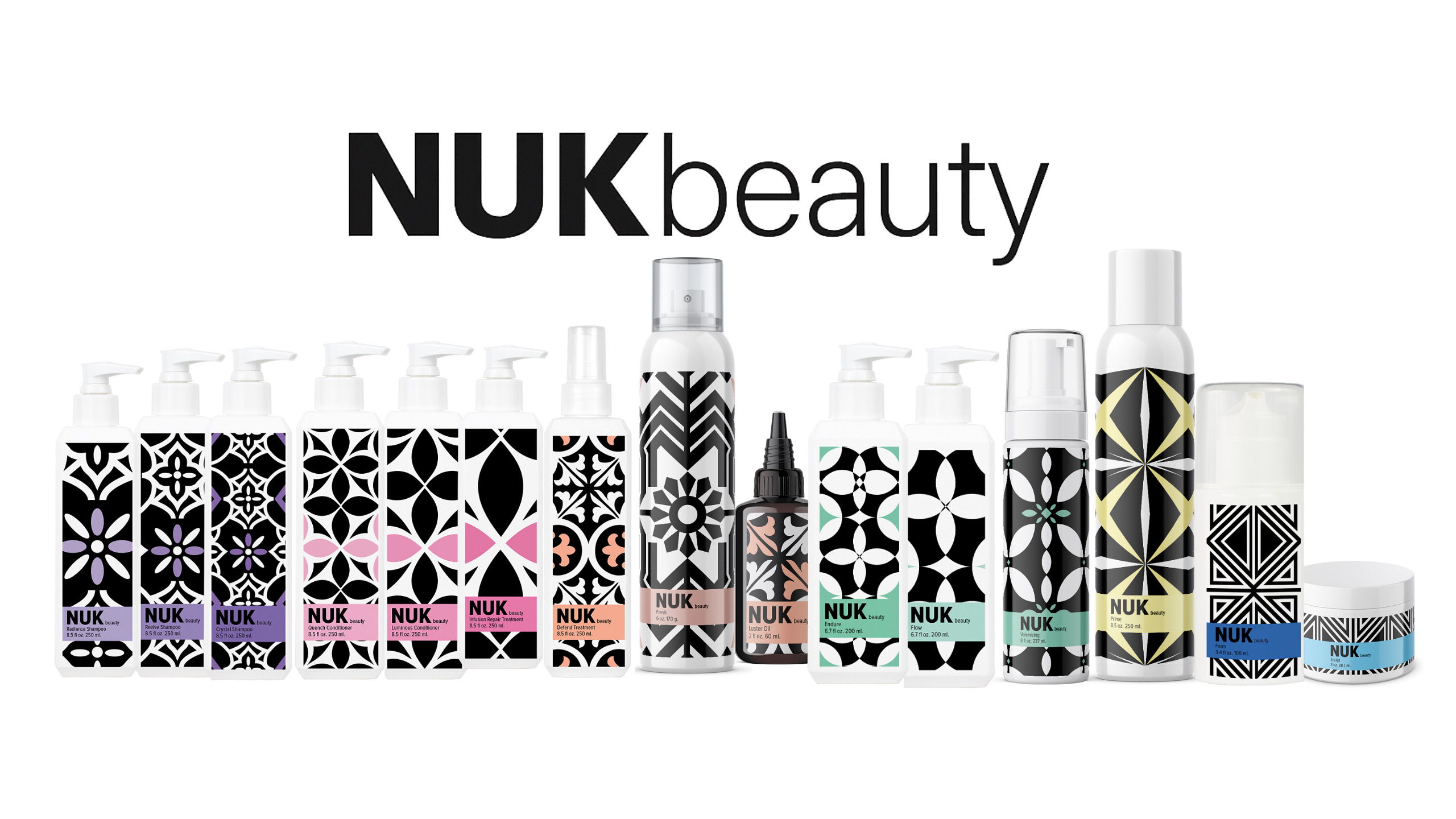
Your hair does not need a crowded shelf to look expensive. It needs a consistent system that matches what it is actually dealing with: dryness, breakage, brassiness, flat roots, frizz, or heat damage. Learning how to build a clean haircare routine starts with getting honest about your hair goals, then choosing a few high-performing formulas that deliver on them.
Clean Haircare Should Still Perform
Clean haircare is not about giving up the finish, slip, shine, or manageability you expect from professional products. It is about choosing thoughtfully formulated products that support healthy-looking hair without loading your routine with ingredients or steps that do nothing for you.
The best clean routine feels edited, not restrictive. Your shampoo should cleanse effectively. Your conditioner should leave hair softer and easier to detangle. Your treatment and styling products should solve a clear problem, whether that is heat protection, humidity defense, volume, repair, or smoother ends.
A product can sound clean and still be wrong for your hair. For example, a very rich conditioner may be beautiful on thick, dry hair but leave fine hair limp by lunchtime. A clarifying shampoo can be useful for oily roots and product buildup, but too much of it can make color-treated or damaged hair feel rough. Performance still comes first.
How to Build a Clean Haircare Routine Around Your Hair
Start with the concern you notice most often, not the trend you saw last week. If your hair looks dull and feels brittle, focus on moisture and repair. If it gets puffy the moment you step outside, prioritize anti-frizz styling and humidity protection. If your roots get oily while your ends feel dry, your routine needs balanced cleansing rather than more dry shampoo.
Think about your hair history, too. Color services, bleach, hot tools, hard water, frequent workouts, and tight styles all affect what your hair needs. Fine hair often benefits from lightweight hydration and strategic volume. Coarse or textured hair may need more moisture, smoothing support, and a richer leave-in. There is no prize for using the same routine as someone with completely different hair.
Once you know your main goal, build from the foundation up: cleanse, condition, treat, protect, and style. Not every category needs a product every day, but each one has a job.
Start With a Better Wash Day
A clean routine works best when your wash day is doing its actual job. Shampoo belongs at the scalp, where oil, sweat, and buildup live. Use your fingertips, not your nails, and take a moment to work the formula through the roots before rinsing thoroughly. Let the suds move through the lengths instead of aggressively scrubbing your ends.
Wash frequency depends on your scalp, lifestyle, and styling habits. Someone with oily roots, fine hair, or frequent workouts may feel best washing every day or every other day. Someone with dry, textured, or color-treated hair may prefer fewer washes. The right schedule leaves your scalp fresh without making your lengths feel stripped.
If you use a lot of styling products, dry shampoo, or hard-water-heavy tap water, buildup can sneak in. Add a deeper cleanse when hair starts feeling coated, dull, or resistant to styling. Just do not make an intensive cleanse your default if your hair is already dry or fragile.
Condition for Your Mid-Lengths and Ends
Conditioner is where softness, detangling, and manageability begin. Apply it from the mid-lengths through the ends, where hair is older and usually needs more support. Let it sit while you finish the rest of your shower, then rinse well enough that hair feels silky rather than slippery or heavy.
If your ends are dry but your roots get greasy quickly, do not skip conditioner. Adjust the placement and amount instead. A lightweight formula used only where it is needed can make a bigger difference than piling on more products after the shower.
Add Treatment Without Turning Every Wash Into a Project
Treatments are your targeted support system. A deep repair treatment can help when hair feels weak, overprocessed, or prone to snapping. A hydrating mask can bring back softness when dryness, weather, or heat styling has left hair rough. Use the treatment that answers the problem in front of you.
More treatment is not always better. If hair starts feeling stiff, coated, or harder to style, pull back and reassess. Healthy hair needs a balance of moisture, strength, and flexibility. That balance may change with the season, after a color appointment, or when you have been reaching for hot tools more often.
After washing, apply a leave-in conditioner or lightweight hair oil to damp hair if your lengths need extra softness, shine, or detangling. Keep the amount intentional. Start small, especially on fine hair, and add more only if your hair absorbs it well.
Protect Hair Before You Style It
Heat protectant is not an optional finishing touch if you blow-dry, curl, straighten, or use a hot brush. Apply it evenly to damp hair before blow-drying, and use more as directed before heat styling dry hair. The goal is not to make hot tools harmless. The goal is to reduce unnecessary stress so your hair can keep its shine and movement.
Your styling product should also earn its place. Use a volumizing foam when roots fall flat, a smoothing cream when you want polished softness, or an anti-frizz spray when humidity makes your style expand. Pomade and styling paste are best saved for definition, separation, or polished finishing details.
A polished result usually comes from using less product with better placement. Put volume products near the roots. Put smoothing and shine products through the mid-lengths and ends. Keep richer formulas away from the scalp unless they are specifically made for it.
Keep Your Routine Simple Enough to Repeat
The most effective routine is one you can actually maintain. You do not need a new product for every possible concern. Start with a reliable shampoo and conditioner, then add one treatment, one leave-in or oil, and one styling product based on your biggest need.
Give your routine time. Hair can feel softer after one wash, but meaningful changes in manageability, breakage, and overall shine are easier to judge after a few weeks of consistent use. Switching products every other wash makes it hard to know what is helping.
Pay attention to your hair's feedback. If it is greasy faster than usual, you may be using too much conditioning or styling product near the roots. If it feels dry, tangly, or rough, it may need gentler cleansing, more moisture, or less heat. If it looks flat, the issue may be product weight rather than a lack of volume products.
Avoid the Clean Haircare Mistakes That Waste Money
The biggest mistake is buying products based on packaging instead of performance. Clean claims matter, but so does whether the formula gives your hair the result you want. A routine should make hair easier to manage, not leave you layering product after product to fix what the last one missed.
Another common mistake is treating every concern at once. Trying to deeply repair, intensely moisturize, clarify, volumize, and smooth your hair in one wash can leave it confused, heavy, or overworked. Choose your priority, then rotate supporting products as needed.
Finally, do not confuse a squeaky-clean feeling with a healthy cleanse. Hair that feels stripped may look light for a day, but it can become harder to style and more likely to feel dry over time. Clean ingredients in, gorgeous hair out only works when the formulas are designed to perform like the salon products they are.
Your routine does not have to be complicated to feel elevated. Choose products with purpose, use them consistently, and let your hair tell you when it is time to adjust. That is how healthy shine becomes your baseline, not a lucky hair day.


Comments