The Power of Violet Extract: Nature's Secret to Combatting Brassiness in Blonde and Highlighted Hair
Brassy tones in blonde, silver, and highlighted hair can be frustrating. Those unwanted yellow and orange hues often dull the brightness and freshness of your color. Many hair care products promise to fix this issue, but some contain harsh chemicals that can damage hair over time. What if a natural, plant-based ingredient could help neutralize brassiness while supporting hair health? Violet extract, derived from the delicate Viola odorata flower, offers just that. This blog post explores how violet extract works, the science behind its color-correcting power, and why it’s a smart choice for maintaining vibrant hair naturally.
How Violet Extract Neutralizes Brassy Tones
Brassiness appears when hair color fades or reacts with environmental factors like sun exposure, heat styling, or hard water. Blonde, silver, and highlighted hair often develop warm undertones—yellow, gold, or orange—that clash with the intended cool or neutral shades.
Violet extract contains natural purple pigments that counteract these warm tones. This happens through a simple principle of color theory: purple cancels out yellow and orange on the color wheel. When applied to hair, the violet pigments deposit a subtle tint that balances out the brassy hues, restoring a cooler, brighter appearance.
Unlike synthetic purple dyes, violet extract offers a gentle, plant-based option that gradually improves tone without harsh chemicals. It works well in shampoos, conditioners, and hair masks designed specifically for color correction.
The Science Behind Color Theory and Purple Pigments
Understanding why violet extract works requires a quick look at color theory. Hair color is influenced by the pigments present in the hair shaft. When hair lightens, the natural pigments shift, often revealing underlying warm tones.
Yellow and orange hues are warm colors that appear when hair fades or oxidizes.
Purple and blue pigments are cool colors that sit opposite yellow and orange on the color wheel.
When purple pigments are applied to hair, they neutralize the warm tones by canceling them out visually. This is why purple shampoos and treatments are popular for blonde and silver hair care.
Violet extract naturally contains anthocyanins, a type of pigment responsible for its purple color. These anthocyanins bind to the hair surface, providing a mild toning effect that reduces brassiness without over-depositing color.
Natural Origins and Historical Use of Violet Extract
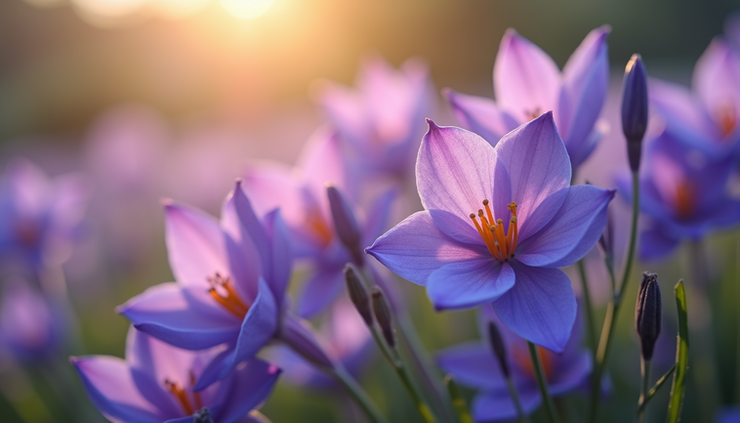
Violet extract comes from the Viola odorata plant, commonly known as sweet violet. This small flowering plant has a long history in herbal medicine and beauty rituals.
Ancient cultures prized violet for its soothing and fragrant properties.
In traditional beauty practices, violet was used in skin care and hair treatments to promote softness and shine.
The plant grows in temperate regions and is harvested for its leaves and flowers, which contain beneficial antioxidants and pigments.
Today, violet extract is gaining popularity in natural hair care products because it combines gentle toning with antioxidant benefits.
Antioxidant Properties That Support Hair Health
Beyond color correction, violet extract offers antioxidants that protect hair from environmental damage. Antioxidants neutralize free radicals—unstable molecules that can cause oxidative stress and weaken hair fibers.
The anthocyanins in violet extract help reduce inflammation and protect the scalp.
Antioxidants support the hair’s natural repair processes, improving strength and shine.
Using violet extract regularly can help maintain healthier hair over time, especially for chemically treated or color-processed hair.
This dual action of toning and protecting makes violet extract a valuable ingredient in hair care routines.
Advantages of Plant-Based Ingredients Over Synthetic Dyes
Many products designed to combat brassiness rely on synthetic dyes and chemicals. While effective, these can cause dryness, irritation, and long-term damage with frequent use.
Plant-based ingredients like violet extract offer several advantages:
Gentle on hair and scalp: Less risk of irritation or allergic reactions.
Nourishing properties: Natural extracts often contain vitamins and antioxidants that support hair health.
Eco-friendly: Plant-based ingredients are biodegradable and sustainably sourced.
Gradual, natural toning: Avoids the harshness of synthetic pigments that can build up or cause uneven color.
Choosing violet extract means caring for your hair’s appearance and health simultaneously.
Practical Tips for Using Violet Extract in Your Hair Care Routine
To get the most from violet extract, consider these tips:
Look for shampoos or conditioners that list violet extract or Viola odorata as an ingredient.
Use violet-based products 1-2 times per week to maintain tone without over-depositing pigment.
Combine violet extract treatments with deep conditioning to keep hair hydrated.
Avoid excessive heat styling and sun exposure to reduce brassiness triggers.
For DIY enthusiasts, violet-infused rinses or masks can be made at home using violet tea or tinctures, but always patch test first.
Real-Life Examples and Results
Many users report noticeable improvements in hair tone after incorporating violet extract products:
Blonde hair regains a cooler, more platinum shade without the harshness of purple dyes.
Silver and gray hair looks brighter and less yellowed.
Highlighted hair maintains contrast and dimension longer between salon visits.
Professional stylists also recommend violet extract treatments as a natural alternative for clients seeking gentle toning options.


Comments