
Heat Protectant for Blow Drying That Works
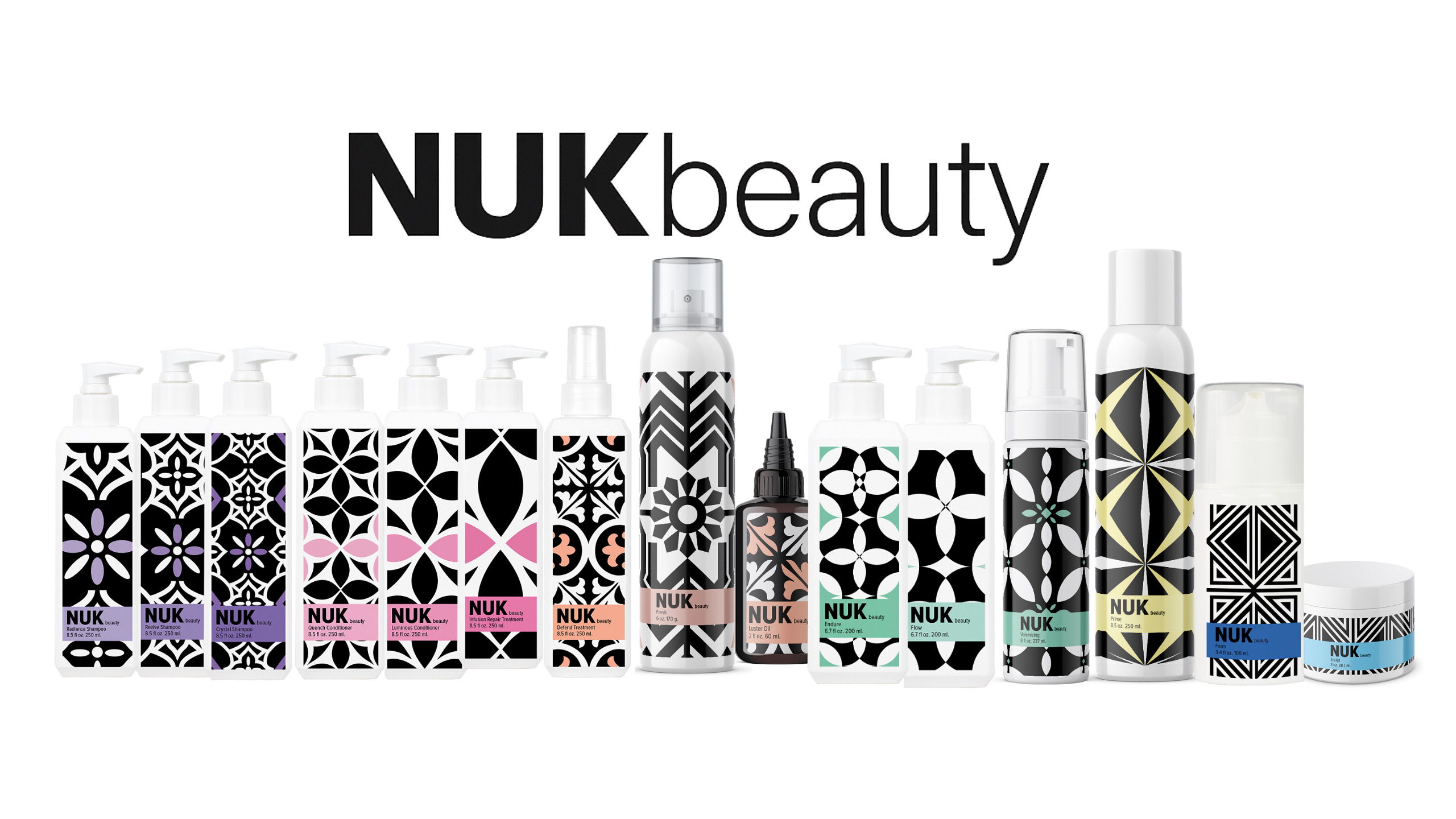
A great blowout should leave your hair glossy, soft, and easy to touch - not dry at the ends, puffy by lunch, or flat from heavy product. The right heat protectant for blow drying is the step that makes the difference. It helps create a buffer between your strands and high heat, so you can get that polished, salon-finished look without treating every blow-dry like a trade-off.
If you blow-dry regularly, color your hair, fight frizz, or notice that your ends never seem to hold moisture, heat protection is not an optional extra. It is part of a smarter styling routine. The key is choosing a formula that protects without making your hair feel coated, greasy, or impossible to style.
What a Heat Protectant for Blow Drying Actually Does
Blow-drying exposes hair to more than just hot air. The combination of heat, airflow, tension from your brush, and repeated passes over the same section can pull moisture from the hair fiber. Over time, that can show up as rough texture, dullness, breakage, split ends, and more frizz than you started with.
A heat protectant helps reduce that stress by coating the hair with ingredients designed to distribute heat more evenly and limit moisture loss. Many formulas also include conditioning ingredients that improve slip, making it easier to brush through damp hair without tugging. Less tugging matters. Hair is more vulnerable when it is wet, especially if it is already dry, lightened, or chemically processed.
Protection does not mean you can blast soaking-wet hair at maximum heat for 30 minutes with no consequences. A heat protectant is support, not a free pass. Your temperature, technique, and tool quality still matter. But it gives your hair a much better chance of staying smooth and healthy-looking while you style it the way you want.
Choose the Formula for Your Hair, Not the Hype
The best heat protectant is the one you will use consistently because it works with your texture and finish goals. A formula that leaves fine hair limp will not become a favorite, no matter how impressive its ingredient list sounds. Likewise, someone with thick, dry curls may need more conditioning support than a barely-there mist can provide.
For fine or easily oily hair, look for a lightweight spray that applies evenly and dries down fast. It should make detangling easier without leaving the roots slick. Apply it mostly through the mid-lengths and ends, where hair tends to be older and more fragile.
For medium to thick hair, a spray, milk, or lightweight cream can work beautifully. These textures often benefit from a little more moisture and slip, especially when using a round brush to create volume or smoothness. The right formula should help your brush move through the hair instead of catching on dry areas.
For dry, damaged, highly porous, or color-treated hair, choose a protectant with a more conditioning feel. A leave-in style formula can help replenish softness while preparing strands for heat. Just be mindful of quantity. Even rich hair needs an even application, not a heavy layer concentrated in one spot.
For curls and waves, think about the finish you want before choosing. If you are stretching or smoothing your texture, use a protectant that supports softness and frizz control. If you are diffusing, a lighter formula that protects while preserving movement may be the better fit. Your heat protectant should support your style, not fight it.
How to Apply Heat Protectant for Blow Drying
Application is where a good product either earns its place or gets blamed for results it never had the chance to deliver. Heat protectant works best on clean, towel-dried hair that is damp but not dripping. If your hair is soaking wet, excess water can dilute the formula and make it difficult to distribute evenly.
Start by gently squeezing out water with a soft towel or T-shirt. Avoid rough rubbing, which can lift the cuticle and create instant frizz. Comb through your hair with a wide-tooth comb or detangling brush, then apply your protectant in sections.
For a spray, hold the bottle several inches away and mist from the mid-lengths through the ends. If your hair is thick, lift sections as you spray so the product reaches the inner layers too. You do not need to soak your hair in product. Aim for a light, even veil, then comb through once more to distribute.
For a cream, lotion, or leave-in protectant, begin with a small amount. Warm it between your hands and smooth it through the lengths, paying extra attention to the ends. Add more only if your hair still feels dry or tangly. Starting small gives you control, especially if you plan to use a mousse, styling cream, or oil afterward.
Then rough-dry your hair until it is about 70 to 80 percent dry before reaching for a round brush. This step cuts down on the time your hair spends under direct heat and makes styling faster. When you do brush-dry, work in manageable sections and keep the dryer moving. Point the nozzle downward along the hair shaft to encourage a smoother finish.
The Blow-Dry Habits That Protect Hair Most
Your heat protectant is more effective when the rest of your routine is working with it. Begin with a dryer that has adjustable heat and airflow settings. High heat has its place for thick, resistant hair or a quick finish, but it should not be the automatic setting for everyone.
Fine, fragile, or color-treated hair usually responds best to medium heat with controlled airflow. Thick or coarse hair may need higher heat, but use it strategically and keep the nozzle moving. If you smell burning, see steam rising after the hair is nearly dry, or feel your ends becoming stiff, the heat is too high or the dryer is sitting too close.
Use a concentrator nozzle when smoothing with a brush. It directs the air where you need it, so you are not repeatedly drying the same section from every angle. Finish each section with a cool shot if your dryer has one. It can help set the shape and leave the cuticle looking sleeker.
Also, do not forget the basics that happen before styling. Hair that is constantly stripped by harsh cleansing, overloaded with protein, or skipped on conditioning will struggle to look smooth under heat. Healthy-looking blowouts start in the shower, then get protected and refined with your styling routine.
Common Heat Protectant Mistakes
The first mistake is applying protectant only to the top layer of hair. The hair underneath gets just as much heat, and often more, because it takes longer to dry. Sectioning may add a minute or two, but it is worth it for an even result.
The second is using too much product in search of more protection. More is not always better. Oversaturation can make hair heavy, create buildup, and make a fresh blowout lose body. Use enough to coat the hair evenly, then choose a formula suited to your texture rather than piling on extra layers.
Another common issue is protecting hair for the blow-dry but forgetting about the hot tools that come after. If you follow your blowout with a flat iron or curling iron, check whether your product is designed for those higher temperatures and whether reapplication on dry hair is appropriate. Some formulas are made specifically for damp hair, while others can be used before both wet and dry styling.
Finally, do not confuse shine with protection. A hair oil can make ends look beautiful, but it is not automatically a heat protectant. Use products according to what they are designed to do. A smart routine can include both: heat protection before styling, then a small amount of oil afterward for softness and shine.
Make Protection Part of the Look
The best heat protectant does more than help defend hair from your dryer. It makes your blowout easier to create and better to wear: smoother lengths, softer ends, less frizz, and shine that looks healthy rather than coated. At NUK Beauty, that is the standard worth expecting from clean, salon-quality haircare.
Your blow-dry does not need to be a damage decision. Use a protectant that fits your hair, apply it evenly, and let thoughtful technique do the rest. Gorgeous hair is not about avoiding heat forever. It is about using it with intention.


Comments