
Best Shampoo for Fine Hair Volume That Works
Fine hair can look freshly styled for about ten minutes, then somehow fall flat before you leave the house. Finding the best shampoo for fine hair volume is less about chasing the biggest bottle claim and more about choosing a formula that cleans thoroughly without leaving anything behind to weigh your hair down.
The right shampoo will not turn fine strands into a different hair type. What it can do is create a clean, airy foundation at the scalp, help your natural texture move more freely, and make every styling product you use afterward work harder. That is where visible volume starts.
What Fine Hair Actually Needs From Shampoo
Fine hair refers to the diameter of each individual strand, not necessarily how much hair you have. You can have fine hair and a lot of it, or fine hair with lower density. In either case, fine strands have less structure to hold themselves up. They are also quick to show oil, product buildup, and the heavy finish left by overly rich formulas.
A volume-focused shampoo should do three jobs well: remove excess oil and residue at the roots, cleanse without making lengths feel stripped, and leave hair light enough to respond to styling. When hair feels clean but still soft, it has a better chance of lifting away from the scalp instead of collapsing against it.
That balance matters. A shampoo that is too harsh can make the scalp overcompensate with more oil or leave fragile lengths dry and static-prone. A shampoo that is too conditioning may make your hair feel silky in the shower but look limp by lunchtime. Fine hair needs clean performance, not a coating that disguises buildup as shine.
The Best Shampoo for Fine Hair Volume Has a Lightweight Finish
Forget the idea that a volumizing shampoo needs to make hair feel squeaky-clean. That sensation can signal that hair has been over-cleansed. Instead, look for hair that feels refreshed at the roots, soft through the ends, and easy to comb once it dries.
A lightweight, salon-quality formula is usually the better choice for fine hair because it focuses on clean lift rather than loading strands with rich oils, heavy butters, or excessive conditioning agents. Those ingredients are not bad across the board. They can be excellent for coarse, very dry, or highly textured hair. But on fine hair, especially near the scalp, they can make volume disappear fast.
Protein can also be useful in the right formula. Fine hair often benefits from ingredients that help it feel stronger and more substantial temporarily. The key is moderation. If your hair starts feeling stiff, rough, or brittle after repeated use, rotate with a moisture-balanced shampoo instead of pushing through. More protein is not always more volume.
Watch for the Hidden Reasons Your Hair Falls Flat
Many people blame their hair when the real problem is product buildup. Even a great shampoo can struggle if you are layering heavy conditioner, leave-in cream, hair oil, dry shampoo, and heat styling products every week without properly cleansing your scalp.
Common volume stealers include heavy oils applied too close to the roots, thick masks used too often, two-in-one cleansing products, and conditioner worked all the way up the hair shaft. Humidity can also flatten fine hair, particularly if your style depends on a big blowout or loose root lift.
Hard water is another overlooked factor. Mineral buildup can leave fine hair dull, stiff, and strangely hard to style. If your hair feels coated even after washing, or if volume products seem to stop working after a few weeks, occasional clarifying may be the missing step. Just do not clarify every wash. Fine hair needs a clean scalp, but it still needs a healthy moisture balance through the lengths.
How to Wash Fine Hair for More Lift
Technique changes the result more than most people realize. Start by fully saturating your hair with water before applying shampoo. Water helps distribute the formula, so you need less product and can cleanse more evenly.
Focus shampoo on the scalp first. Use your fingertips, not your nails, to gently massage around the crown, hairline, and behind the ears where oil and buildup tend to collect. Let the suds move through the mid-lengths and ends as you rinse rather than aggressively scrubbing delicate ends.
If you use dry shampoo, styling paste, texture spray, or a lot of hairspray, shampooing twice may give you a noticeably better result. The first wash breaks up surface oil and residue. The second wash delivers the true cleanse. You do not need to double-cleanse every time, but it is worth trying when your roots feel heavy despite a recent wash.
Conditioner belongs from mid-lengths to ends for most fine-haired people. Keep it away from the scalp unless your hair is extremely dry or your specific formula is designed for root application. Rinse thoroughly. A few extra seconds under the water can be the difference between airy hair and hair that feels weighed down before it is even dry.
Choose a Routine, Not Just a Shampoo
Shampoo builds the base, but volume lasts longer when the rest of your routine supports it. If your conditioner is too rich, your heat protectant is creamy, and your styling product is heavy, even the best volume shampoo will have a hard time delivering the result you want.
After washing, gently squeeze out water with a soft towel or T-shirt. Rough drying can create breakage and frizz, which makes fine hair look thinner over time. Apply a lightweight heat protectant through the lengths, then use a root-lifting or volumizing foam at the scalp if you blow-dry.
For the most noticeable lift, dry your roots with intention. Flip your part while drying, lift sections upward with your fingers or a brush, and make sure the roots are fully dry before you stop. Fine hair that dries flat at the scalp will usually stay flat, no matter how good your finishing spray is.
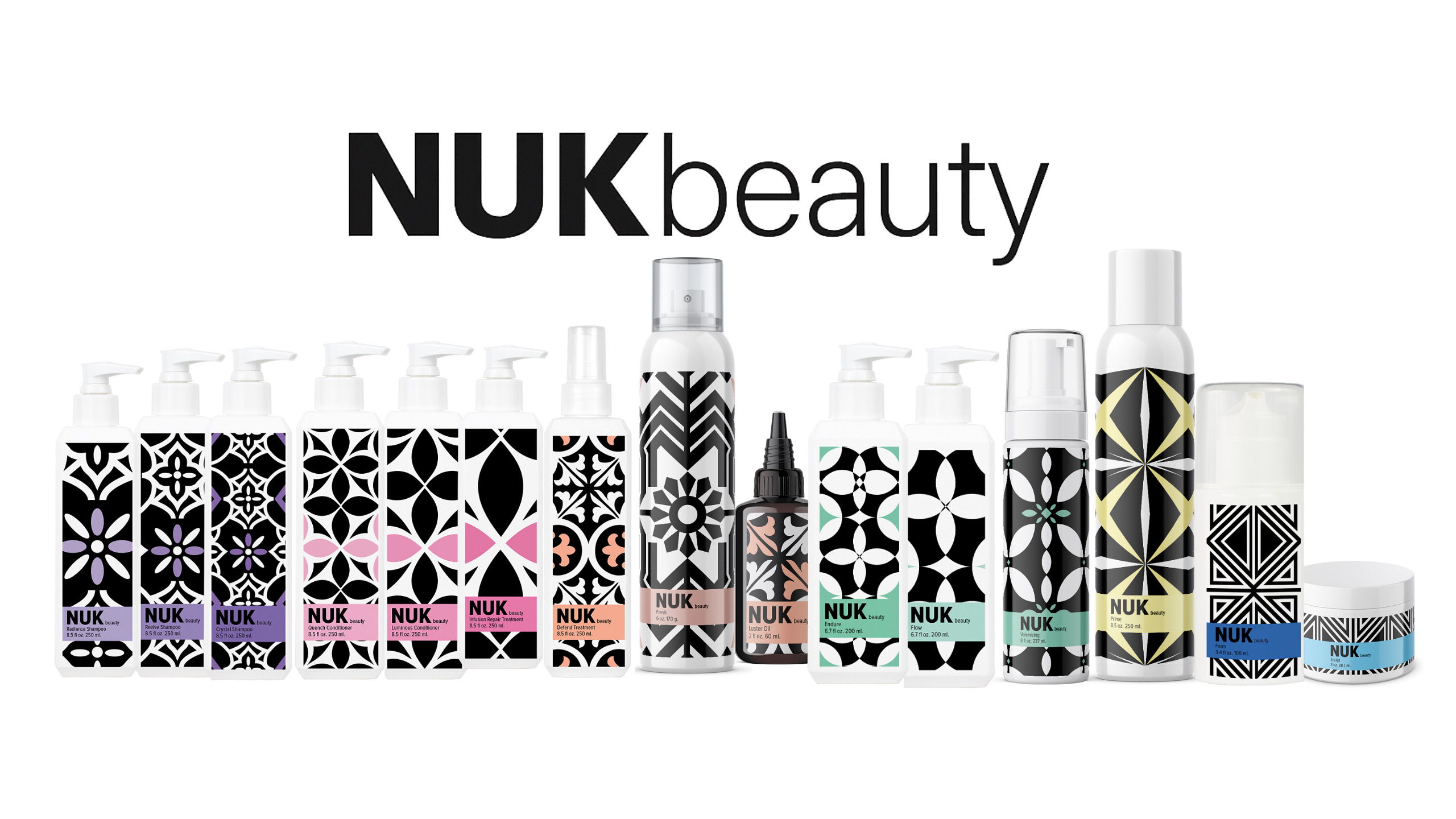
NUK Beauty approaches fine-hair care with that same practical goal: clean, salon-level performance that supports fuller-looking hair without unnecessary weight. The best routine should feel simple enough to repeat, because consistency is what makes healthy hair look better week after week.
When a Volumizing Shampoo Is Not the Whole Answer
If your hair has suddenly become much thinner, your part is widening, or you are noticing unusual shedding, shampoo is not the full solution. Stress, hormonal changes, medication, nutritional deficiencies, scalp conditions, and genetics can all affect density and shedding. A volume shampoo can improve the appearance and feel of your hair, but it cannot treat the underlying cause of hair loss.
The same goes for damage. Bleaching, frequent high heat, and tight styles can make fine hair break, creating the look of reduced fullness. In that situation, you may need to alternate your volumizing cleanser with a repair-focused routine and reduce the stress placed on your strands. Volume and hair health are not competing goals. Healthy fine hair is more resilient, more reflective, and easier to style.
A Better Way to Judge Your Shampoo
Do not judge a volume shampoo only by how your hair looks immediately after a blowout. Check how your roots feel on day two, whether your scalp is comfortable, how easily you can restyle, and whether your ends still feel touchable. Real volume is not stiff, crunchy, or dependent on piling on product.
The best choice leaves fine hair clean enough to lift, conditioned enough to stay smooth, and light enough to move. Give a new formula several washes, adjust how much conditioner you use, and pay attention to where you apply your styling products. Fine hair does not need more product to look fuller. It needs the right foundation.


Comments