
Best Clean Professional Hair Products
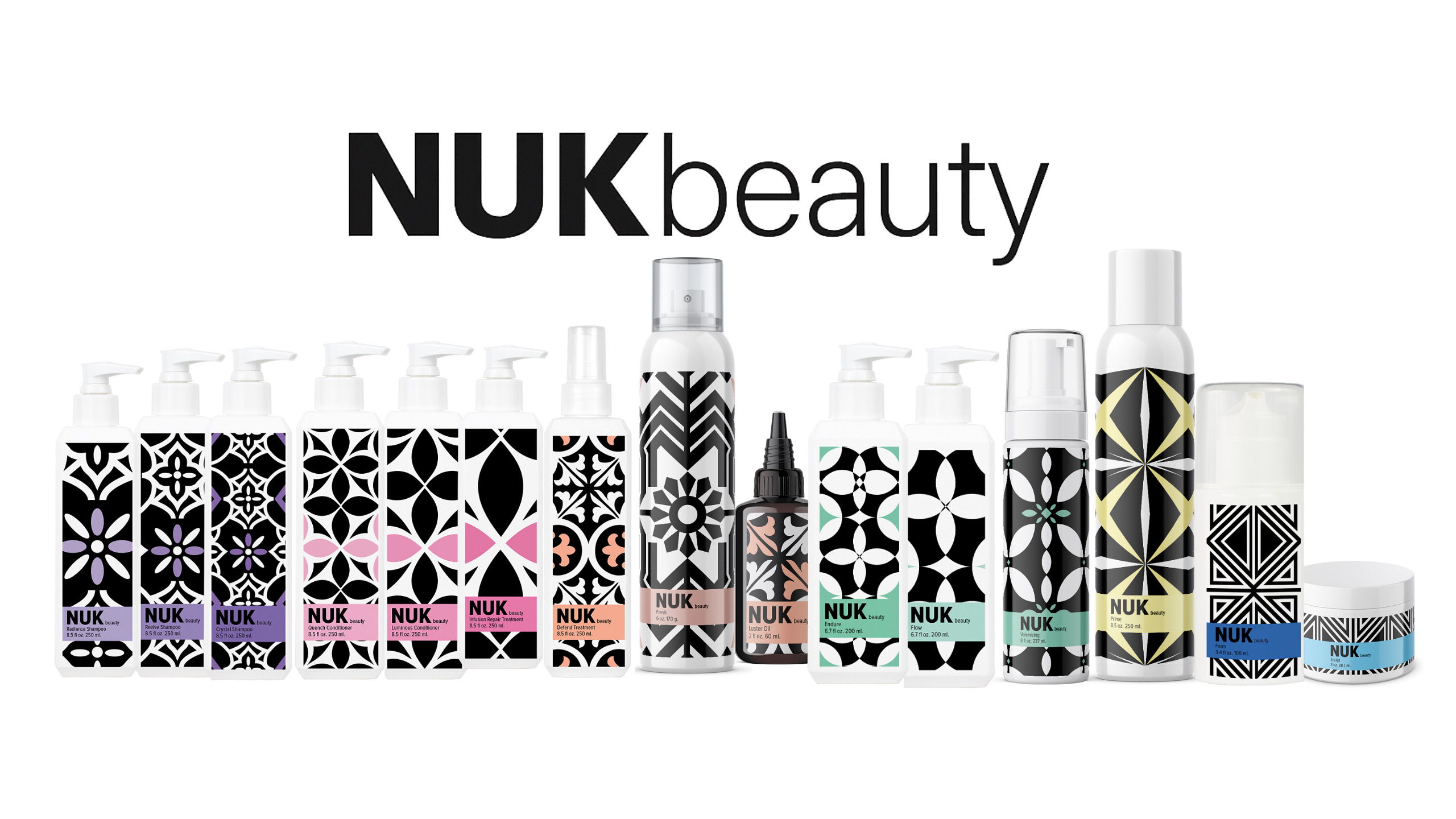
If your shower is full of half-used bottles that promised softness, shine, repair, or frizz control and delivered none of it, you are not the problem. The truth is that the best clean professional hair products are not just about what they leave out. They need to perform like salon favorites, hold up in real routines, and give you hair that actually looks healthier after repeated use.
That is where a lot of brands miss. Some clean formulas feel nice for a week, then your hair starts looking flat, dry, or strangely coated. Some professional products still rely on old-school formulas that can make hair look good for a day but do not support long-term manageability. If you want clean and high-performing, you need more than a pretty label. You need products built around results.
What makes the best clean professional hair products worth buying
The phrase gets used loosely, so it helps to be clear. Clean does not mean weak. Professional does not have to mean harsh. The sweet spot is a formula that skips unnecessary heaviness and questionable extras while still giving you the kind of finish you expect from salon haircare - smoothness, shine, strength, body, and control.
The best products also solve a specific problem. A shampoo that is great for oily roots may be the wrong choice for highlighted hair. A rich mask that rescues damage can flatten fine hair if you use it like a daily conditioner. Good haircare is not about picking the most expensive bottle on the shelf. It is about matching the formula to your actual hair behavior.
That is why concern-based shopping usually gets better results than shopping by trend. If your hair is dry, color-treated, frizzy, heat-styled, or fine, those details matter more than buzzwords.
Start with your biggest hair issue
When people say a product "didn't work," often it was never the right fit in the first place. The best clean professional hair products are usually part of a system, not a random collection of nice-smelling bottles.
For dry or damaged hair
Look for a moisturizing shampoo that cleans without stripping, followed by a conditioner or mask that helps with softness and elasticity. Dry and damaged hair needs slip, but it also needs support. If your ends feel rough, split easily, or tangle fast, a deep repair treatment and a leave-in conditioner usually do more for you than swapping shampoos every month.
Hair oil can help too, but the trade-off is dosage. A few drops can add shine and polish. Too much can make damaged hair look greasy instead of healthy. The right oil should soften and smooth, not sit on top like a gloss you have to wash out the next morning.
For frizz and humidity issues
Frizz is rarely just one problem. Sometimes it is dryness. Sometimes it is damage. Sometimes it is moisture in the air undoing your style the second you leave the house. In that case, a clean anti-frizz spray or styling cream with humidity protection matters more than another rich conditioner.
This is also where professional quality really shows. A strong formula should help seal the cuticle, control flyaways, and keep the hair touchable. If a product leaves your hair stiff or sticky, that is not polished control. That is just buildup with good marketing.
For fine or flat hair
Fine hair needs balance more than intensity. Heavy masks, rich oils, and thick creams can collapse volume fast, even if they are technically good products. If your hair gets oily by day two or loses shape by lunch, look for lightweight shampoo and conditioner formulas, a heat protectant that does not feel thick, and a volumizing foam that gives lift without crunch.
The best clean products for fine hair should make your hair feel fuller and cleaner, not coated. That clean-feeling finish is often the difference between body that lasts and volume that falls apart in an hour.
For oily scalp or second-day hair problems
An oily scalp does not always need aggressive cleansing. Overwashing with harsh formulas can backfire and leave your lengths dry while your roots still get greasy. A better approach is a balanced shampoo for regular cleansing and a dry shampoo that refreshes without turning your hair dull, chalky, or stiff.
A good clean dry shampoo should absorb oil and give some life back to the root area. It should not make dark hair look dusty or leave so much residue that your scalp feels worse by evening.
For color-treated or brassy hair
Color care needs gentleness and tone support. If your blonde, silver, or highlighted hair starts turning yellow or warm too quickly, a toning product can help, but it should not leave the hair dry and straw-like. That is a common trade-off with poorly balanced purple formulas.
A better clean professional option tones while keeping the hair manageable. If your color looks expensive on day one but tired by week three, your maintenance products matter just as much as your salon appointment.
The product types that make the biggest difference
If you are trying to build a routine without wasting money, focus on the products that change your hair most noticeably. For most people, that starts with shampoo and conditioner, then expands based on styling habits and damage level.
A leave-in conditioner is one of the smartest additions if your hair tangles, frizzes, or feels dry after washing. It helps with detangling, softness, and heat styling prep in one step. Heat protectant is non-negotiable if you blow-dry, curl, or flat iron regularly. Clean or not, no formula can fully repair repeated heat damage if you are not protecting your hair before styling.
Then there are finishers, which are often what make hair look polished instead of just clean. A lightweight oil adds shine and smoothness. A styling cream can help shape and tame. A pomade or paste can define shorter styles or control detail work around the hairline. These products do not need to feel hard or heavy to be effective.
How to tell if a product is actually performing
The first sign is not always dramatic shine after one wash. Real performance usually shows up in the routine itself. Your hair detangles faster. Blow-drying takes less effort. Frizz is easier to control. Your ends feel softer. You need fewer touch-ups. Over time, your hair starts looking more expensive because it is behaving better.
On the other hand, if a product gives instant gloss but your hair feels drier, flatter, or harder to manage after a week or two, that is a red flag. So is a formula that only works when you use a lot of it. Strong professional haircare should earn its place quickly.
This is one reason salon-informed brands tend to stand out. They are built around repeat results, not one-time excitement. A stylist does not keep a product around because the bottle looks good. They keep it because clients come back saying their hair felt better, styled better, and stayed better.
Why clean haircare should still feel elevated
There is a difference between simple and underwhelming. Clean formulas should still feel luxurious to use. The texture matters. The finish matters. The way your hair moves afterward matters. You are paying for more than ingredient awareness. You are paying for visible results.
That expectation is reasonable. You should not have to choose between clean ingredients and gorgeous hair. Brands that understand modern haircare know consumers are done settling for products that sound responsible but leave hair limp, frizzy, dry, or unimpressive.
That is why solution-based haircare makes sense. Instead of guessing, you choose formulas based on the result you want - repair, volume, shine, frizz control, brassiness correction, oil balance, or heat defense. NUK Beauty was built around that exact frustration: too many products overpromising, too few delivering salon-level results you can actually see at home.
How to build a smarter routine without overbuying
You do not need a ten-step lineup. Most people do best with a cleanser, a conditioner, one treatment product, one protector, and one styler or finisher. The trick is choosing each one on purpose.
If your hair is damaged, invest in repair first. If your hair is frizzy, prioritize smoothing and humidity defense. If it is fine, choose lightweight volume support instead of rich moisture everywhere. And if you heat-style often, protect before you perfect.
Give a routine enough time to show you what it can do, but not so much time that you keep forcing a mismatch. Hair usually tells the truth pretty fast. When a formula is right, your routine gets easier and your results get better.
The best clean professional hair products do not ask you to lower your standards. They should raise them. When your haircare is doing its job, your hair feels healthier, styles faster, and looks polished without fighting you every morning. That is the kind of clean beauty worth making room for.


Comments