
A Guide to Clean Hair Ingredients That Perform
Your hair does not need a cabinet full of products with pretty promises. It needs formulas that address what is actually happening - dryness, breakage, frizz, flat roots, heat damage, or color that turns brassy too soon. This guide to clean hair ingredients is about reading past the front-label buzzwords and choosing haircare that gives you both ingredient confidence and the polished, salon-level results you want.
What “Clean” Means in Haircare
Clean is not a regulated, one-size-fits-all term. That means two products can both call themselves clean while taking very different approaches to ingredient selection, fragrance, preservatives, and performance ingredients.
For most shoppers, clean haircare means formulas made without certain ingredients they prefer to avoid, while still using ingredients that make hair feel conditioned, protected, and easy to style. The smart standard is not simply a shorter ingredient list. It is a thoughtful formula that is transparent about its choices and effective enough to earn a permanent place in your routine.
Haircare also has a different job than skincare. Shampoo needs to cleanse the scalp without leaving lengths stripped. Conditioner needs to soften and detangle without making fine hair collapse. A heat protectant has to help defend hair during blow-drying and hot-tool styling. Clean formulas should still do those jobs beautifully.
A Guide to Clean Hair Ingredients That Work
Rather than judging an entire formula by one ingredient, look at the role each category plays. Great haircare is a system: cleansing ingredients reset the hair and scalp, conditioning ingredients improve slip and manageability, and treatment ingredients support the specific concern you are trying to solve.
Gentle cleansing ingredients
Cleansers, also called surfactants, are what lift oil, sweat, product buildup, and environmental residue from the scalp and hair. The right level of cleansing depends on your hair and habits. If you have oily roots, use dry shampoo often, or style with creams and sprays, you may need a more thorough wash than someone with very dry, curly, or highly processed hair.
A clean-minded shampoo can use gentler cleansing systems designed to wash effectively while helping hair retain a comfortable, balanced feel. “Sulfate-free” can be useful for some people, especially those with dry or color-treated hair, but it is not an automatic guarantee of a better shampoo. Some sulfate-free formulas do not cleanse enough for oily scalps, while some formulas with stronger cleansers may be exactly what a buildup-prone scalp needs occasionally.
The goal is simple: your scalp should feel fresh, not tight, itchy, or coated, and your lengths should not feel squeaky, rough, or impossible to comb through.
Moisture and conditioning ingredients
Conditioning is where clean haircare has to prove itself. Hair that feels silky in the shower but turns puffy, tangled, or dull by noon is not getting the support it needs.
Look for ingredients that help attract and hold moisture, smooth the cuticle, and create slip. Humectants such as glycerin can support hydration, while conditioning agents and lightweight emollients help hair feel softer and more manageable. Plant oils, butters, and seed-derived ingredients can add softness and shine, particularly for dry or textured hair.
There is a trade-off. Rich oils and butters can be gorgeous on thick, dry, or coarse hair, but they may weigh down fine hair or make an oily scalp look greasy faster. If your hair is fine, choose lighter conditioners and use richer repair treatments mainly from the mid-lengths through the ends.
Protein and repair-supporting ingredients
Damaged hair needs more than moisture. Bleaching, coloring, heat styling, extensions, and even aggressive brushing can leave the cuticle compromised, making strands feel weak and rough.
Hydrolyzed proteins are commonly used to help temporarily reinforce the feel of fragile hair and improve its appearance. You may also see amino acids and other bond- or repair-supporting technologies designed to help hair feel smoother, stronger, and more resilient.
Protein is not a punishment for damaged hair, and more is not always better. If hair begins to feel stiff, dry, or unusually tangly after repeated protein treatments, alternate with moisture-focused care. Hair that is very dry may need conditioning first, while hair that is breaking or feeling gummy when wet may benefit from a more targeted repair routine.
Oils, silicones, and the shine conversation
Few haircare topics create more confusion than silicones. Some shoppers avoid them because certain types can contribute to buildup on some hair types. Others love them because they can make hair feel smooth, glossy, and protected from humidity.
Neither response is wrong. It depends on your hair, your wash routine, and the formula as a whole. Silicones can be especially helpful for frizz control, shine, heat styling, and improving comb-through on damaged hair. If your hair feels coated or limp over time, use a clarifying wash when needed and reassess how many styling products you are layering.
Plant oils are not automatically lighter or better for every head of hair. A hair oil can seal in softness and add luminous shine, but too much can overwhelm fine strands. Start with a small amount on damp or dry ends, then build only if your hair asks for more.
Fragrance and scalp sensitivity
Fragrance makes using haircare feel luxurious, but it can be a concern for people with highly reactive skin or scalp conditions. If you are prone to irritation, pay attention to patterns. Does your scalp become itchy after wash day? Do you get redness along the hairline? Does one product consistently cause discomfort?
A clean ingredient philosophy should make room for personal needs. The most beautiful formula is not the right formula if your scalp does not tolerate it. When sensitivity is a factor, simplify your routine and introduce new products one at a time so you can identify what is working and what is not.
How to Read a Haircare Ingredient List
Ingredient lists can look intimidating, but you do not need a chemistry degree to shop smarter. Start by matching the product type to your concern. A shampoo for oil control should cleanse thoroughly. A conditioner for dry hair should prioritize softness and detangling. A heat protectant should be made for styling protection, not just shine.
Then look beyond the first splashy ingredient on the front label. If a product promises repair, hydration, volume, or frizz control, its formula should be built around that benefit. A volumizing foam should not leave roots waxy. A deep treatment should not rinse away without making a noticeable difference in softness or manageability.
Ingredient order can offer clues, since ingredients are generally listed from higher to lower concentration until the lower-concentration portion of the formula. But it cannot tell you the full story. Some high-performance ingredients work well at very low levels, and formulas matter more than a single hero ingredient.
Choose Clean Haircare by Your Real Concern
The fastest way to waste money is buying products because they sound universally good. “Hydrating” is not always right for fine hair. “Clarifying” is not always right for fragile, freshly lightened hair. Build your routine around your current concern, not a trend.
If your hair is dry or damaged, prioritize a gentle wash routine, a conditioner with real slip, and a repair treatment you can use consistently. Add a leave-in and heat protectant if you blow-dry or use hot tools. If frizz is the issue, focus on moisture, cuticle-smoothing styling products, and humidity protection rather than applying more oil after the fact.
For fine hair, choose lightweight cleansing and conditioning formulas, then add volume at the roots with a foam or targeted styler. For oily roots, wash according to your scalp's needs instead of trying to stretch every wash day. Dry shampoo is a useful refresh tool, not a substitute for cleansing when buildup is getting in the way.
Color-treated hair deserves its own strategy. Use products that help preserve a healthy-looking finish, protect against heat, and address the dryness that often comes with lightening or frequent color services. If brassiness is your concern, use a toning product with intention rather than reaching for it at every wash.
Clean Does Not Have to Mean Compromising on Results
There is no prize for using a product that checks an ingredient box but leaves your hair dull, dry, or difficult to style. The right clean haircare should make wash day easier and your hair more responsive between washes. You should see better shine, softer movement, less frizz, stronger-looking lengths, or more lift where you need it.
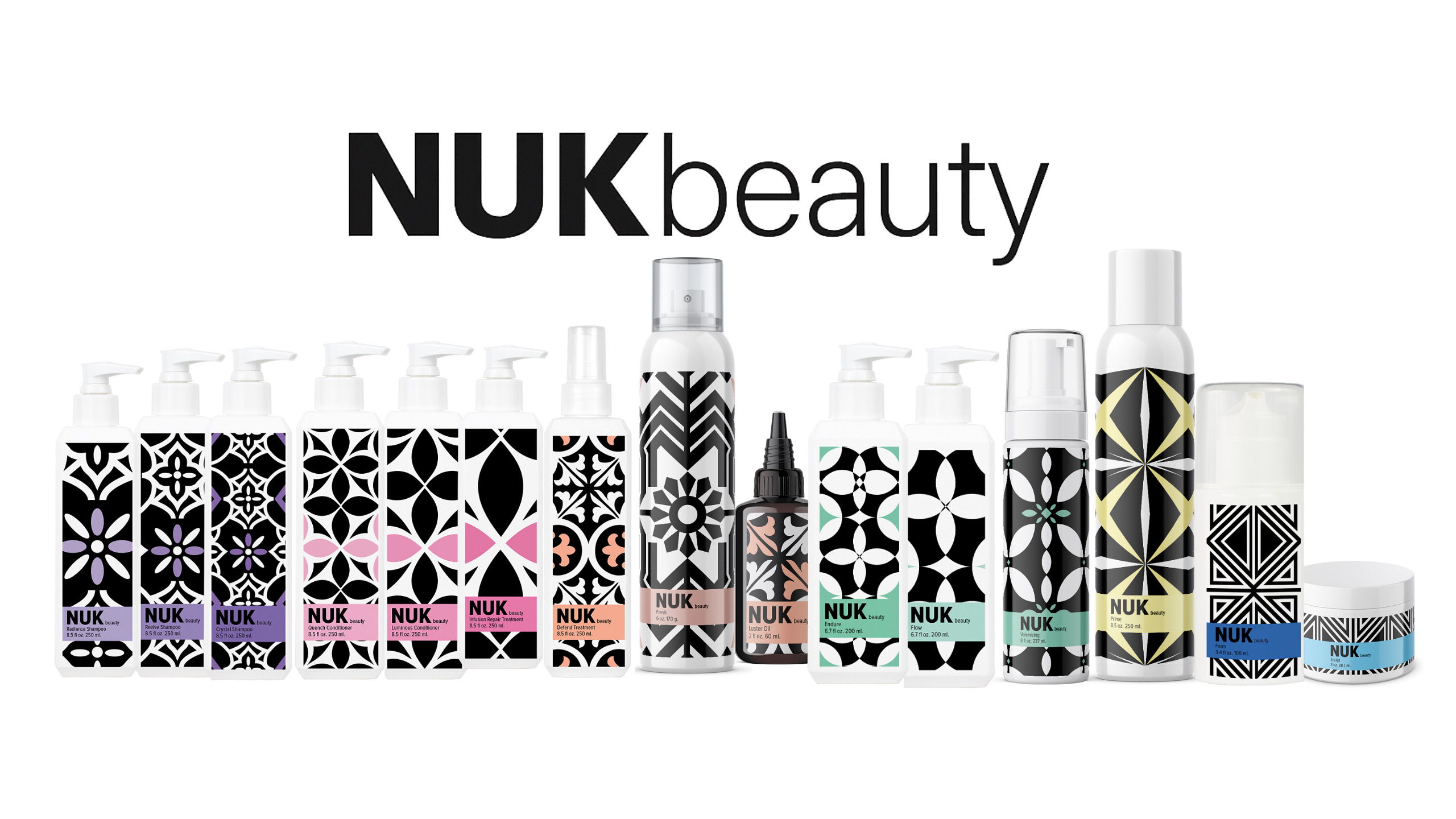
That is the standard behind NUK Beauty: clean ingredients in, gorgeous hair out, with professional performance built for real concerns. Choose formulas that respect your preferences, then judge them by what matters most - how your hair looks, feels, and behaves when you step out into real life.
Your routine does not need to be complicated. It just needs to be intentional enough to give your hair what it has been asking for.


Comments