How to Choose Clean Professional Shampoo Brands
- S O
- 14 hours ago
- 6 min read
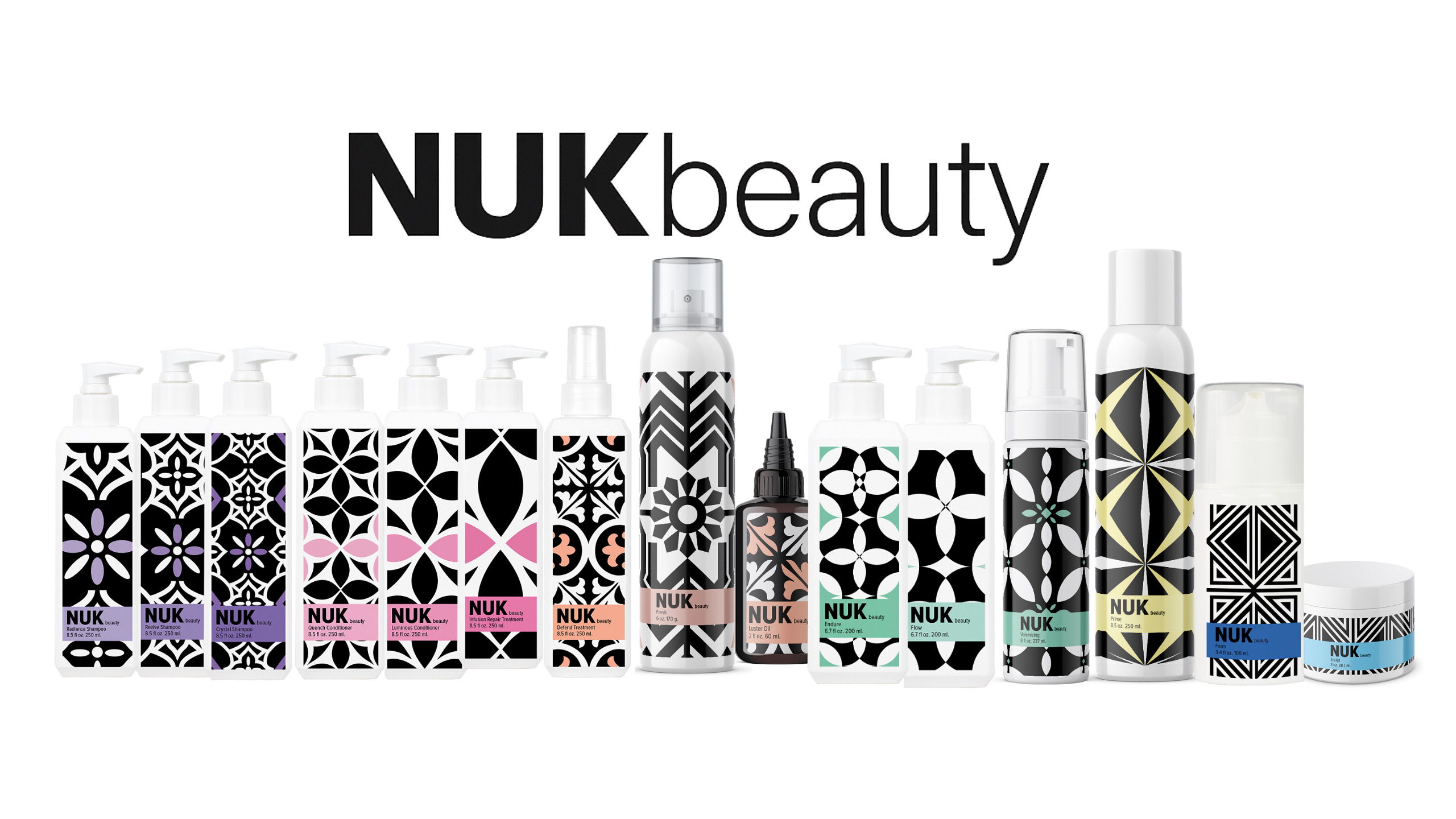
You can usually tell within two washes when a shampoo is all marketing and no results. Hair feels coated instead of clean, frizz comes back by noon, color looks dull, or your scalp somehow feels dry and oily at the same time. That frustration is exactly why more shoppers are looking at clean professional shampoo brands - not just for better ingredient standards, but for formulas that actually perform like salon care.
That last part matters. Clean is easy to claim. Professional results are harder to fake.
What makes clean professional shampoo brands different?
A clean shampoo is not automatically a better shampoo. Plenty of formulas sound impressive on the bottle and still leave hair flat, rough, or impossible to manage. The real difference with clean professional shampoo brands is that they aim to do both jobs well: cut out ingredients many shoppers prefer to avoid while still delivering visible results for texture, shine, strength, and scalp comfort.
That balance is where a lot of brands miss the mark. Some clean formulas feel too gentle to handle buildup, oil, brassiness, or damage. Some professional formulas deliver instant smoothness but rely on heavy coatings that can make hair dependent on the product over time. The strongest brands understand that consumers do not want to choose between cleaner formulas and great hair.
For most people, the best shampoo is not the one with the longest ingredient story. It is the one that solves the problem you actually have. If your hair is dry, it should feel softer and more flexible. If it is fine, it should feel clean and lifted, not stripped. If it is color-treated, your tone should stay brighter and your ends should look less stressed.
Clean does not mean one thing
This is where shopping gets confusing fast. There is no single universal definition of clean beauty, and shampoo labels often blur the line between meaningful formulation choices and vague branding. One brand may focus on being sulfate-free. Another may highlight silicone-free formulas. Another may emphasize botanical ingredients, even if the product still is not the best fit for your hair type.
That does not mean clean claims are meaningless. It just means you have to read them in context.
If you wash frequently, a gentler cleansing system may matter more to you than fragrance preferences. If your hair is heavily processed or heat-styled, conditioning support may matter more than whether every ingredient sounds plant-based. If your scalp is sensitive, the full formula matters more than one hero ingredient on the front label.
The smartest way to shop is to stop asking, "Is this clean?" and start asking, "Is this clean enough for my standards and strong enough for my hair goals?"
How to evaluate clean professional shampoo brands
The first thing to look at is performance by hair concern. A good brand makes it easy to choose based on what your hair needs right now - dryness, damage, frizz, oil, brassiness, flatness, or color maintenance. That sounds simple, but it is one of the clearest signs that a line was built for results instead of broad, generic appeal.
The second is whether the formula seems designed for repeat use, not just a good first impression. Some shampoos feel amazing on day one because they smooth the surface of the hair instantly. Then after a few washes, buildup sets in, volume disappears, or the scalp gets irritated. Professional-grade haircare should hold up over time.
The third is whether the brand understands that hair is not one-size-fits-all. Fine hair needs a different kind of moisture than coarse hair. Oily roots and dry ends need a different strategy than all-over dryness. Color-treated blondes need different maintenance than brunettes dealing with heat damage. The best brands speak in specifics.
And finally, look for credibility beyond packaging. Salon alignment matters because professionals see how products perform across real hair types, styling habits, and long-term use. A brand that earns space in that world usually has to deliver more than a trend.
What to expect from a high-performing clean shampoo
A good clean shampoo should leave your hair feeling clean, but not squeaky. That stripped feeling is not a sign that the shampoo worked better. Usually, it is a sign that your hair cuticle has been roughed up, which can lead to more frizz, tangling, and dryness.
You should also expect better behavior from your hair after styling. That means smoother blowouts, less puffiness, more shine, and a finish that lasts longer. Shampoo is not just about the shower step. It sets the stage for everything that happens after.
Scalp comfort is another big one. If your roots get greasy quickly, your first instinct may be to wash with something stronger. Sometimes that helps. Sometimes it backfires and pushes your scalp into overcompensating. A cleaner, balanced formula can support oil control without that harsh cycle, but it may take a little consistency to see the difference.
For damaged hair, do not expect shampoo alone to fully repair what bleach, color, heat, and tension have done. That is where expectations matter. A shampoo can help reduce stress on fragile strands, improve softness, and support a healthier look and feel, but severe damage usually needs a full system.
The trade-offs are real, and that is okay
Some clean shampoos do not lather as dramatically as traditional formulas. That does not necessarily mean they are less effective. It may just mean the cleansing system feels different. If you are used to a big, foamy wash, there can be an adjustment period.
You may also need to be more intentional about choosing the right formula. A rich, moisturizing shampoo can be excellent for thick, dry hair and too heavy for fine hair. A clarifying option can be great for oil control and too aggressive for a sensitive scalp if used too often. This is why shopping by concern works better than shopping by trend.
Price can be another factor. Clean professional shampoo brands often cost more than mass formulas, but value is not just about bottle size. It is about how well the product performs, how much you need per wash, and whether it reduces the trial-and-error spending that happens when nothing really works.
Why targeted systems work better than random product mixing
A lot of people build their routine backwards. They buy one shampoo for shine, another mask for damage, a styling cream for frizz, a dry shampoo for oil, and hope the mix somehow creates consistency. Sometimes it does. Often it does not.
Hair usually responds better when products are designed around a clear outcome. If your main issue is dryness and frizz, your shampoo should support softness and manageability from the start. If your concern is fine, limp hair, your cleanser should help create body without leaving residue behind. When the routine makes sense together, results tend to be faster and more reliable.
That solution-first approach is a big reason consumers are moving toward brands that organize haircare by concern rather than by vague lifestyle language. It saves time, reduces guesswork, and makes it easier to spend well.
A better way to shop for clean professional shampoo brands
Start with your primary concern, not your dream hair identity. If your hair is damaged, buy for damage. If it is oily at the root and flat by day two, buy for oil control and light volume. If it is color-treated and brassy, prioritize tone support and gentleness. You can always refine from there.
Next, think about your styling habits. Air-dried hair has different needs than hair that is blow-dried and heat-styled several times a week. Hard water, humidity, workouts, and wash frequency all affect what kind of shampoo will feel best in real life.
Then pay attention to how your hair responds after a week or two, not just after one wash. Better shine, less breakage while brushing, more manageable texture, and a calmer scalp are the signals worth noticing.
If you want salon-level results without a complicated routine, this is where brands like NUK Beauty stand out. The clean formula story matters, but the bigger win is performance that is built around specific hair concerns and visible results.
The best shampoo should make your hair easier to live with. When it does that consistently - cleaner roots, softer ends, smoother styling, better shine - you are not just buying into a label. You are buying fewer bad hair days.


Comments